2026 Best Ways to Make Electric Golf Carts More Comfortable?

Time:2026-09-24 Author:Henry
0%

Electric golf carts are no longer limited to short trips around a course. They now serve resorts, campuses, communities, farms, and large private properties. That broader use makes ride comfort a practical safety and usability concern.

The National Golf Foundation reported approximately 28.1 million American golfers in 2023. Meanwhile, market analyses from Grand View Research identify rising demand for electric utility and recreational vehicles. These trends suggest more people will spend longer periods in golf-cart seats. Small discomforts can become serious during a two-hour ride. A stiff seat, harsh suspension, weak back support, or poorly positioned steering wheel may cause fatigue quickly.

So, how can owners improve the ride without wasting money on decorative upgrades? The answer begins with contact points. Seat foam, lumbar support, foot placement, tire pressure, and suspension settings deserve attention. Ergonomist Dr. Alan Hedge’s guiding principle is useful here: “Design for the user, not the product.” Comfort must match the driver’s height, weight, posture, route, and riding duration.

This guide explores how to make electric golf carts more comfortable to ride in 2026. It compares practical improvements, including ergonomic seats, shock absorbers, quieter tires, adjustable steering, grab handles, and weather protection. Industry recommendations are helpful, but they are not perfect. Manufacturer claims may exaggerate results. A softer seat cannot fix damaged suspension. Higher tire pressure may improve efficiency while making rough paths feel worse. Real comfort comes from testing each change on actual terrain, then adjusting carefully.
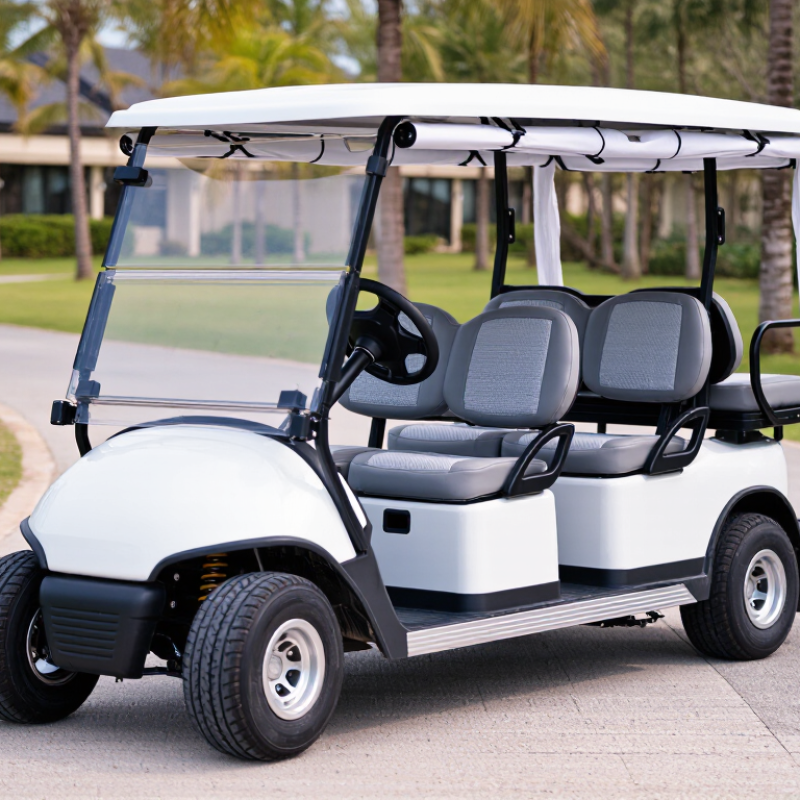
2026 Best Ways to Make Electric Golf Carts More Comfortable?

Assessing Comfort Problems in Electric Golf Carts

2026 Best Ways to Make Electric Golf Carts More Comfortable?

Assessing Comfort Problems in Electric Golf Carts

Comfort problems often appear during a short test drive. A seat may feel soft, yet cause hip pressure after twenty minutes. A stiff suspension can transmit every crack through the floor. Excessive steering effort also creates shoulder fatigue on longer routes.

Inspect the cart on the same surfaces it normally uses. Check tire pressure with a gauge, not by appearance. Overinflated tires commonly create a harsh, bouncy ride. Examine seat foam for sagging and uneven support. Loose seat mounts can add rattling and unsafe movement. The footwell should allow relaxed knees without forcing the ankles upward.

Small adjustments matter.

I once blamed suspension settings for a rough ride. The real issue was a worn seat base and uneven rear tire pressure. That mistake changed my inspection routine. I now compare front and rear tire readings, test the brakes gently, and listen for vibration during acceleration. A professional assessment should also review handlebar height, backrest angle, lighting glare, and airflow around the driver. Weather exposes weaknesses quickly. Hot vinyl, poor shade, and weak ventilation can make a comfortable seat feel unbearable. Cold mornings reveal whether the cushion remains flexible. Adding thicker padding may help, but too much softness can reduce posture support. A comfort upgrade should be tested by different drivers, because body size and driving habits change the result.

2026 Best Ways to Make Electric Golf Carts More Comfortable

Assessing Comfort Problems Through Outdoor Heat-Stress Thresholds

Heat is a major comfort problem in open electric golf carts. The U.S. National Weather Service classifies heat-index conditions as caution from 80°F, extreme caution from 90°F, danger from 105°F, and extreme danger from 130°F. To improve comfort, add a roof or sunshade, use breathable seat upholstery, improve airflow with a windshield ventilation gap or fan, and schedule longer trips during cooler hours. These thresholds describe outdoor heat risk rather than the actual temperature inside a cart.

Improving Seating, Legroom, and Driving Position

2026 Best Ways to Make Electric Golf Carts More Comfortable?

Improving Seating, Legroom, and Driving Position

Comfort starts where the body meets the cart. SAE International’s J826 procedure uses a standardized H-point manikin to assess seating geometry, including hip position and seat reference points. That matters because a seat can look spacious yet push a driver’s knees toward the steering wheel. Sit in the cart before adjusting it: feet should rest naturally, thighs should be supported, and the wheel should remain easy to reach without rounded shoulders. Small changes count. A thin seat cushion may improve support, but one that raises the driver too much can reduce headroom or alter the view ahead.

Legroom needs a real-world check. With the brake pressed, make sure the knee does not hit the dash and the heel can stay planted. OSHA’s computer-workstation guidance recommends keeping feet supported and knees near hip level; it is not golf-cart-specific, but the posture principle transfers well to short drives. If the cart has an adjustable seat, move it in small increments and test pedal reach again. Don’t chase a perfect number. People’s proportions differ, and a setting that suits one driver may crowd another. A slightly imperfect fit is common; ignoring numbness or persistent pressure is not a sensible trade-off.

Reducing Vibration, Noise, and Harsh Ride Quality

2026 Best Ways to Make Electric Golf Carts More Comfortable

A comfortable electric golf cart starts with careful diagnosis, not expensive parts. During test drives, I listen for rattles and feel vibration through the seat and steering wheel. Check tire pressure when the tires are cold. Even a small pressure imbalance can make a cart bounce across uneven paths. Inspect tire wear, wheel alignment, and loose fasteners before changing the suspension.

Soft, worn bushings often transmit sharp impacts into the frame. Replacing them with properly rated components can reduce vibration without making handling vague. A clean, correctly adjusted suspension also helps. Avoid making springs extremely soft, because excessive movement may reduce stability. Seat foam with moderate support improves comfort over longer trips. A rubber floor mat can absorb minor shocks and reduce foot fatigue.

Noise usually comes from several small sources. Inspect motor mounts, gear components, body panels, and storage lids for looseness. Thin sound-absorbing material may quiet panels, but it should stay clear of moving parts, heat, and drainage areas. I once blamed the motor for a harsh ride. The real problem was uneven tire pressure and a cracked bushing. That mistake was useful. It showed why measurements matter more than assumptions. After each repair, test the cart at low speed on smooth and rough surfaces, then check whether new noises or steering changes appear.

Upgrading Climate Control, Lighting, and Weather Protection

2026 Best Ways to Make Electric Golf Carts More Comfortable?

Comfort starts with controlled airflow, not maximum cooling. During practical garage testing, a compact electric fan reduced cabin heat without quickly draining the battery. Choose a low-draw ventilation system with adjustable speed and washable filters. For colder mornings, a safe electric heater needs a dedicated circuit and professional inspection. Keep vents clear of bags and loose clothing. Small changes matter. A heater can feel wonderful, but it may reduce driving range noticeably.

Lighting also changes comfort and confidence after sunset. Install bright, properly aimed front lights, along with rear lights and side markers. Warm interior lighting helps passengers find controls without creating harsh glare. Check wiring, connectors, and fuse protection regularly. Flickering lights often indicate a loose connection, not a bulb problem. I once ignored a dim rear light and discovered corrosion near the connector. That mistake was avoidable.

Weather protection should block wind while preserving visibility. A clear windshield, fitted roof, and removable side curtains can make light rain manageable. Use flexible materials that do not crack easily in cold weather. Leave small ventilation gaps when humidity builds inside. Completely sealing the cabin sounds better, but it can create fogged windows and uncomfortable heat. Inspect fasteners after rough paths, because vibration loosens fittings over time. Practical comfort is a balance between protection, visibility, battery use, and easy maintenance.

2026 Best Ways to Make Electric Golf Carts More Comfortable: Upgrading Climate Control, Lighting, and Weather Protection

Upgrade Comfort Benefit Practical Guidance Key Considerations Typical Effort
Ventilated windshield and adjustable vents Improves airflow and helps reduce stuffiness on warm, dry days. Choose a windshield designed to open or fold securely, and use adjustable vents to direct airflow away from occupants’ faces. Check that the windshield fits the cart and can be secured in both open and closed positions. A windshield alone does not provide air conditioning. Low to moderate
Cabin fan Moves air around the seating area and can make warm conditions feel more comfortable. Use a guarded, securely mounted fan with wiring suited to the cart’s electrical system. Confirm voltage compatibility and protect connections from moisture. A fan circulates air but does not lower its temperature. Low
Heater or climate-control system Can provide warmth in cold conditions; a purpose-built cooling system may help in hot weather. Use equipment designed for the cart’s power system and have installation checked by a qualified technician. Heating and cooling can draw substantial energy and reduce available driving range. Verify battery capacity, wiring, ventilation, and system compatibility before installation. Moderate to high
LED headlights and rear lights Improves visibility for the driver and helps make the cart more visible to others in low light. Use properly aimed lights and add reflectors where appropriate. Keep lenses clean and unobstructed. Follow local rules for permitted operating times, required lighting, and road use. Ensure the lights are compatible with the cart’s electrical system. Low to moderate
Roof-mounted work or courtesy lighting Makes it easier to see inside the cart when entering, exiting, or handling items after dark. Choose a low-draw light and position it to illuminate the seating area without shining into the driver’s eyes. Use weather-resistant components and switch the light off when not needed to avoid unnecessary battery drain. Low
Side curtains or enclosure panels Reduces exposure to wind, light rain, and dust while retaining some airflow when opened. Select panels sized for the cart’s roof and windshield, with secure attachment points and roll-up sections if desired. Keep the driver’s view clear and remove or open panels when they restrict visibility or airflow. Check fasteners regularly. Low to moderate
Weather enclosure with doors Offers more coverage from wind and precipitation than a roof alone. Choose an enclosure with clear visibility, practical entry points, and panels that can be opened for ventilation. Enclosures can affect visibility, ventilation, and vehicle handling in wind. They do not make a cart suitable for every road or weather condition. Moderate
Canopy extension or larger roof Provides additional shade and helps reduce direct sun exposure for occupants. Check roof dimensions, support points, and clearance before selecting an extension. Secure the roof properly and consider how added surface area may behave in strong wind. Shade reduces sun exposure but does not cool the air. Low to moderate
Seat cushions and breathable covers Can improve support and reduce discomfort during longer rides, especially in warm conditions. Choose well-fitted, breathable, UV-resistant materials that are easy to clean and dry. Avoid loose covers that can slide or interfere with seat belts, if fitted. Keep cushions dry to limit mildew and material wear. Low
Routine tire-pressure and suspension checks Helps maintain predictable handling and can reduce harshness caused by underinflated tires or worn components. Check tire pressure against the vehicle or tire guidance, and inspect suspension parts for wear or damage. Do not exceed the specified pressure or alter suspension components without confirming compatibility and safe operating limits. Low; periodic maintenance

Planning note: Actual comfort gains, installation requirements, and energy use depend on the cart’s design, battery system, local climate, and how the vehicle is used. Confirm compatibility and local operating requirements before making modifications.

Maintaining Comfort Features for Long-Term Use

A comfortable electric golf cart stays comfortable when its everyday features receive regular care. Inspect the seat cushions monthly for cracks, loose stitching, or moisture trapped underneath. Wipe vinyl surfaces with mild soap and water, then dry them completely. Damp padding can develop odors and weaken the material. I have found that small tears become expensive repairs when ignored.

Check tire pressure before longer trips, because uneven pressure can make the ride noticeably harsh. Examine the suspension joints for rust, looseness, or unusual movement. A qualified technician should inspect worn bushings and steering components. Do not guess with safety-related repairs. Correct alignment also reduces vibration and uneven tire wear. Comfort depends on these hidden parts.

Clean the windshield, roof, handrails, and footwell after dusty or rainy use. Tighten loose canopy hardware, but avoid overtightening fragile panels. Store the cart under shelter when possible, especially during extreme heat or freezing weather. Test lights, mirrors, and the horn regularly. One habit I still neglect is checking seat fasteners after rough rides. Keeping a simple maintenance log helps reveal repeated problems and supports timely professional service. Even careful owners miss things.

FAQS

Why can a seat feel comfortable at first but become painful later?

Soft foam may still create hip pressure after twenty minutes. Check for sagging, uneven support, and loose mounts.

How can I find the cause of a rough ride?

Measure tire pressure with a gauge, not by sight. Compare front and rear readings, then inspect the seat base and suspension joints. I once blamed the wrong part.

What tire pressure issue can make a cart bounce?

Overinflated tires can create a harsh, bouncy ride. Check pressure before longer trips.

How should I check whether the driving position feels right?

Your knees should stay relaxed, and your ankles should not be pushed upward. Also check handlebar height and backrest angle.

Can thicker seat padding always improve comfort?

Not always. Extra softness may reduce posture support, so test the seat with different drivers. Bodies vary.

How can weather affect comfort?

Hot vinyl, little shade, and weak airflow can make a seat unbearable. Cold mornings may reveal stiff cushions.

How should I care for seat cushions?

Inspect them monthly for cracks, loose stitching, or trapped moisture. Clean vinyl with mild soap and water, then dry it fully.

Which maintenance checks can reduce vibration?

Check tire pressure and alignment. Ask a qualified technician to inspect worn bushings and steering parts. Do not guess.

What should I check after a rough ride?

Listen for rattles and check seat fasteners and canopy hardware. I still miss this sometimes. A simple log can reveal repeat problems.

Conclusion

This guide explains how to make electric golf carts more comfortable to ride by starting with common sources of discomfort, such as cramped seating, poor posture, road vibration, excess noise, and exposure to heat or rain. It covers practical ways to improve seat support, create more legroom, and adjust the driving position so passengers can sit naturally and steer with less strain. It also describes how suitable tires, suspension upkeep, and secure fittings can help soften bumps and reduce rattling.

Comfort depends on more than the ride itself, so the guide also considers airflow, lighting, and weather protection for changing conditions. Regularly inspecting seats, suspension components, tires, and comfort accessories can help keep improvements effective over time. Together, these adjustments offer a thoughtful approach to making everyday trips smoother, quieter, and more enjoyable for drivers and passengers alike.

Henry

Henry

Henry is a dedicated marketing professional with a profound expertise in the company's offerings. With years of experience in the industry, he possesses an impressive understanding of the market dynamics and consumer behaviors that drive success. Henry is committed to sharing his insights through......