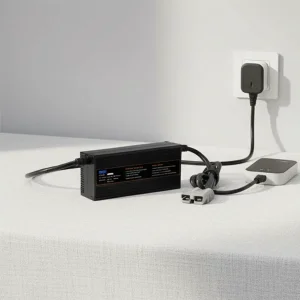
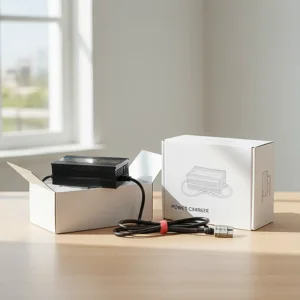
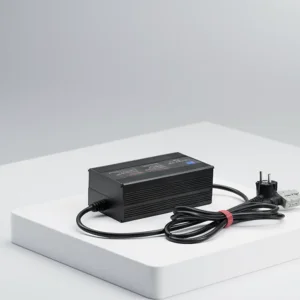
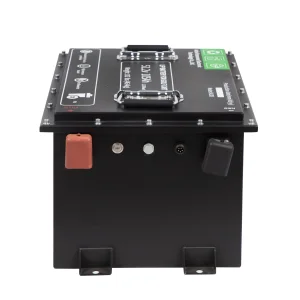
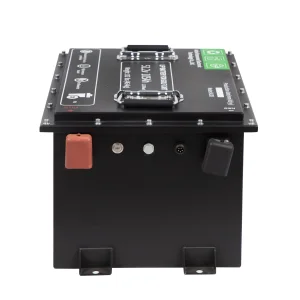
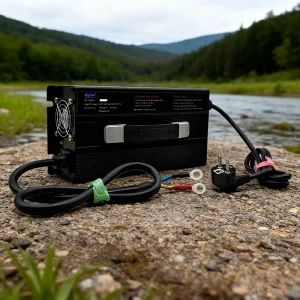
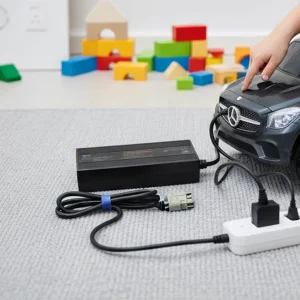
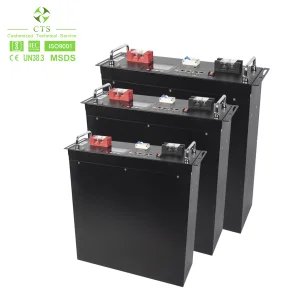
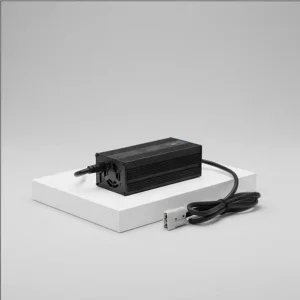
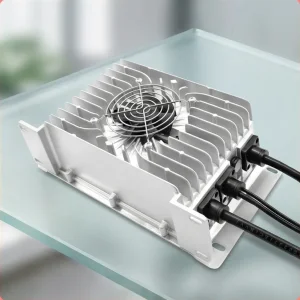
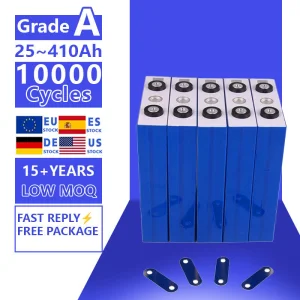
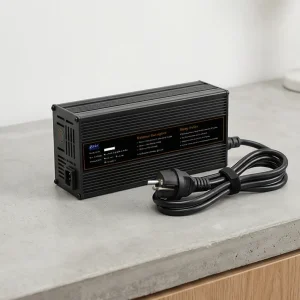
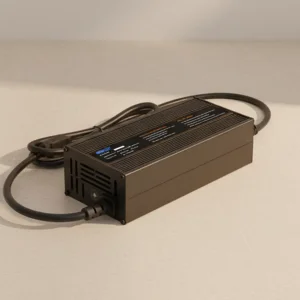
Explore our catalog of advanced LiFePO4 cells, high-frequency smart chargers, and complete electric golf cart powertrain systems.
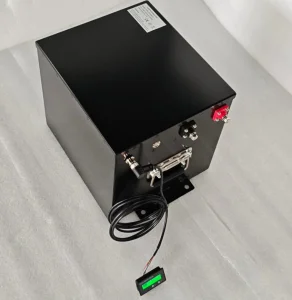
Ningbo GLHF Golf Co., Ltd. is a professional manufacturer specializing in electric golf carts and golf course mobility solutions. The company focuses on the design, development, and production of lithium and lead-acid battery-powered golf vehicles, providing reliable transportation solutions for golf courses, resorts, residential communities, hotels, and commercial facilities worldwide.
Since its establishment, GLHF Golf has built a strong foundation in electric mobility engineering and golf industry applications. In its early stage, the company concentrated on assembling basic lead-acid battery golf carts for domestic markets, gradually gaining experience in vehicle structure optimization and battery management systems. As demand for cleaner and more efficient energy solutions increased, the company entered a rapid development phase, introducing lithium battery technologies and upgrading its product line to meet international standards.
Analyzing key structural shifts in lightweight vehicle powertrains and energy management systems.
The global low-speed electric vehicle (LSEV) market is undergoing an unprecedented technological paradigm shift. Golf carts, historically restricted to flat fairways and reliant on heavy, maintenance-intensive lead-acid traction blocks, have emerged as primary utility carriers in master-planned communities, industrial facilities, airports, and eco-resorts. This expandability requires battery chemistries that deliver high volumetric energy density, extensive cycle life, and low maintenance overhead.
Lithium Iron Phosphate (LiFePO4) has become the chemistry of choice for commercial fleet operators. Unlike traditional flooded lead-acid batteries, which require consistent distilled water replenishment and suffer from accelerated degradation under deep discharge cycles, LiFePO4 systems maintain excellent thermal stability and deliver over 3,500 full charge-discharge cycles at 80% Depth of Discharge (DoD). Furthermore, the complete elimination of lead, acid fumes, and active gassing addresses global sustainability targets and eliminates environmental hazard liabilities in modern hospitality venues.
LiFePO4 batteries deliver consistent output voltages throughout the discharge cycle. This prevents vehicle slow-down on steep inclines and maximizes cart uptime.
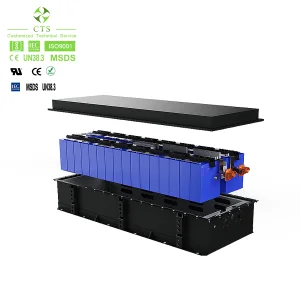
Dual-microprocessor Battery Management Systems protect against over-current, short circuits, cell imbalance, and thermal anomalies.
Accepts high-rate charging current, allowing rapid opportunity charges during lunch breaks or short vehicle idle intervals.
Custom engineering standards and high-reliability specifications required by industrial and commercial operators.
Enterprise procurement departments face complex requirements when sourcing golf cart systems. Fleet operators calculate Total Cost of Ownership (TCO) based on battery lifespan, maintenance labor, electricity conversion losses, and downtime costs. For commercial facilities like municipal courses, airport hangers, and shipping centers, downtime directly impacts revenue. Consequently, industrial buyers look for key technical parameters:
Furthermore, standard certifications like UN38.3 (transportation safety), UL2580 (batteries in electric vehicles), and CE are critical for international compliance and risk management. As fleet size scales, buyers prioritize suppliers who provide comprehensive system-level compatibility, meaning the battery, BMS, charger, and motor controller work together seamlessly.
How modern automation and strategic location secure quality control and fast lead times.
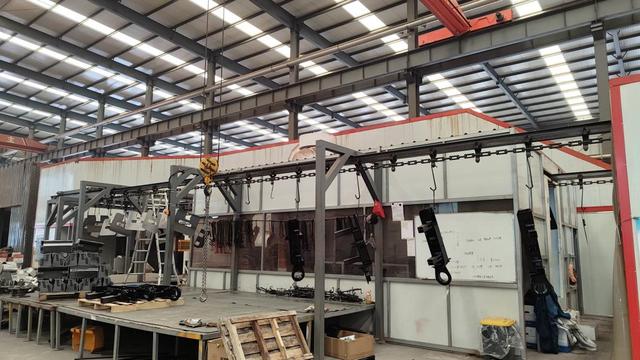
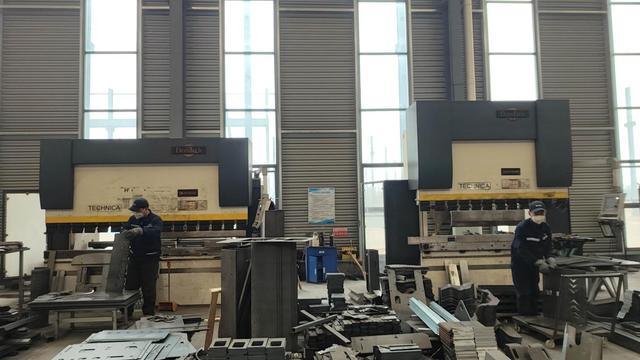
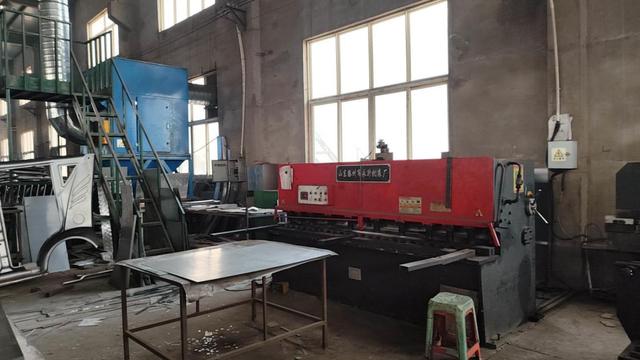
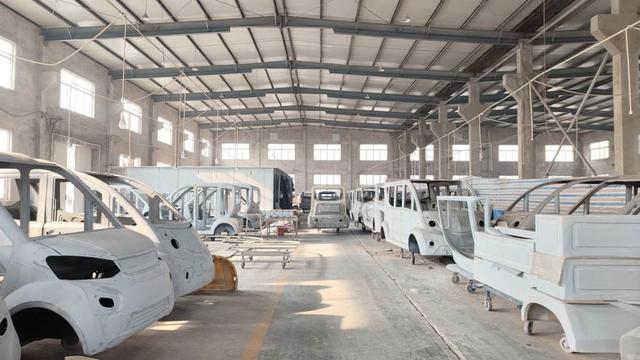
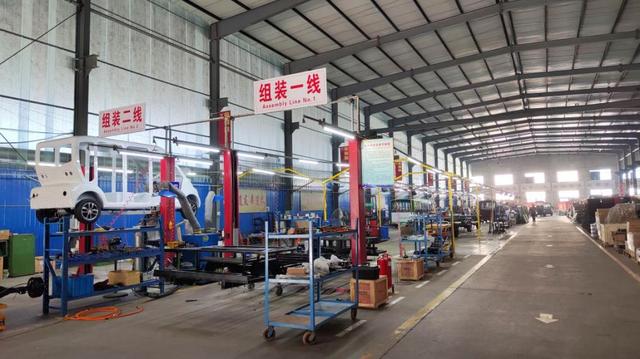
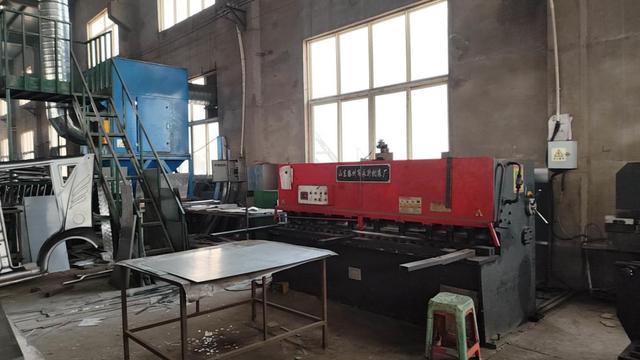
Ningbo GLHF Golf Co., Ltd. leverages its strategic location in Ningbo's manufacturing hub. Over the years, the company has expanded its capabilities with automated production lines, precision assembly workshops, and strict quality control systems. By adopting Industry 4.0 standards, GLHF Golf ensures cell consistency and reliability through every production stage.
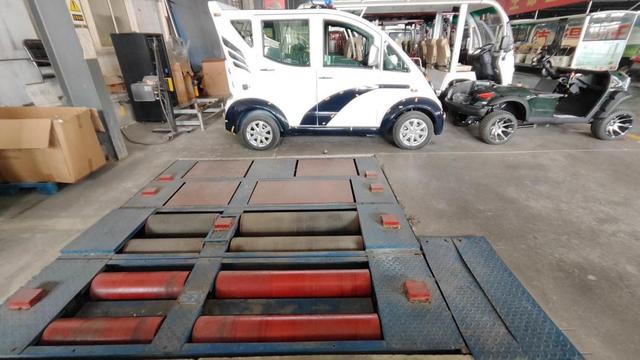
Our battery manufacturing process utilizes high-capacity automated cell sorting, precision laser welding, and dynamic BMS calibration. Each battery pack undergoes rigorous vibration testing, thermal cycling, and end-of-line load testing to simulate real-world conditions. This systematic manufacturing process minimizes pack failure rates and guarantees consistent performance in the field.
Operating near major logistics hubs like the Port of Ningbo-Zhoushan gives us direct access to upstream raw materials, including grade-A LFP cells. This proximity minimizes raw material transport times and secures supply chain stability, allowing GLHF Golf to offer stable pricing and shorter lead times than international competitors.
Exploring high-demand environments and specialized configurations for modern enterprise fleets.
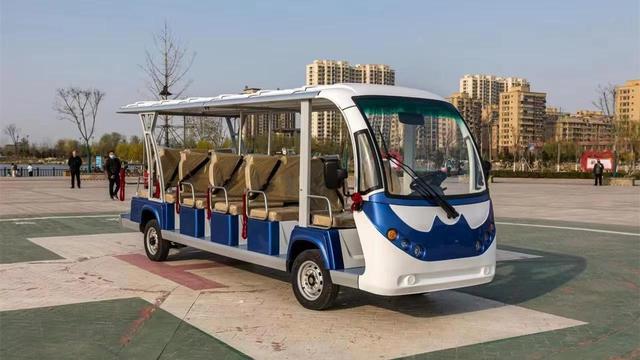
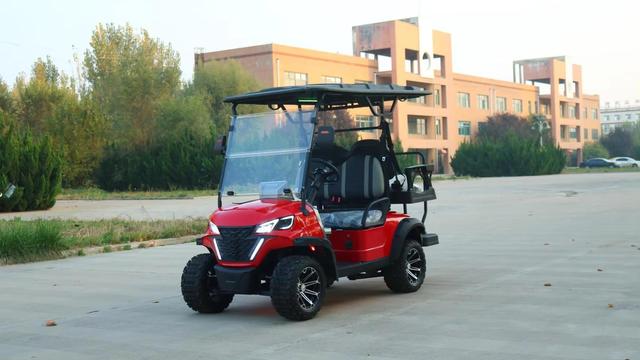
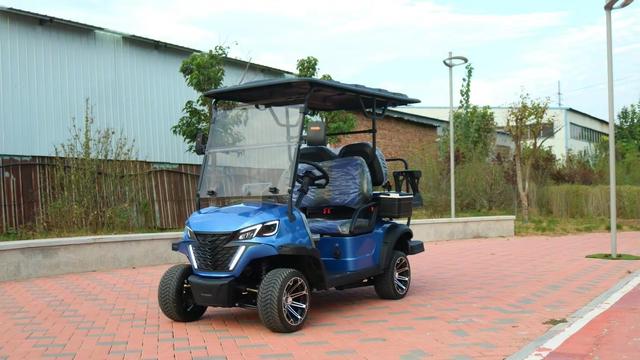
Electric golf carts and utility vehicles are no longer restricted to golf courses. Modern urban developments, industrial parks, and marine docks rely on these lightweight electric vehicles for zero-emission transportation. Some of the most common applications include:
Provides quiet operation, leaves no chemical spills on grass, and supports fast charging between morning and afternoon rounds.
Delivers reliable, low-maintenance transport for guests and maintenance staff in large residential areas and vacation properties.
Powers heavy utility carts, personnel carriers, and AGV robots for quiet, zero-emission material handling indoors and outdoors.
Today, Ningbo GLHF Golf Co., Ltd. serves global clients with a strong commitment to innovation, durability, and energy efficiency. With ongoing investment in smart mobility systems and sustainable transportation technologies, the company aims to become a leading international supplier of electric golf cart solutions, delivering high-performance, eco-friendly vehicles for modern golf and leisure industries.
Select from our range of modular battery packs, high-current chargers, and solar storage systems.
Addressing the common design, safety, and integration inquiries from electric mobility engineers and fleet buyers.
 GLHF Golf