What Is the Best Way to Store Electric Golf Carts Long Term?

Time:2026-10-25 Author:Mason
0%

What is the best way to store electric golf carts long term? The answer depends on battery chemistry, climate, and storage duration. Lead-acid and lithium-ion batteries need different care. Ignoring that difference can shorten battery life before the cart moves again.

The U.S. Department of Energy’s Vehicle Technologies Office reports that high temperatures accelerate battery aging, especially when batteries remain highly charged. Battery Council International also emphasizes correct charging, ventilation, and maintenance for lead-based batteries. These findings matter in a quiet garage, where heat can build beneath a metal roof. Isidor Buchmann, founder of Cadex Electronics and a respected battery-technology author, advises, “The battery should be stored in a cool and dry place.” His guidance is simple, but often overlooked.

A reliable long-term plan begins with cleaning the cart, checking tire pressure, and following the battery manufacturer’s storage instructions. Fully charging some lead-acid batteries may be appropriate, while lithium batteries often require a partial charge. The owner’s manual must decide. Disconnecting accessories prevents slow electrical drain. A monthly inspection can reveal corrosion, swelling, cracked cases, or unexpected discharge.

There is no universal storage formula. That is the uncomfortable part. A coastal shed, a heated workshop, and an uninsulated trailer create different risks. This guide examines practical procedures, charging intervals, temperature control, and safe restart checks. It also separates proven recommendations from convenient habits that may quietly damage expensive batteries.
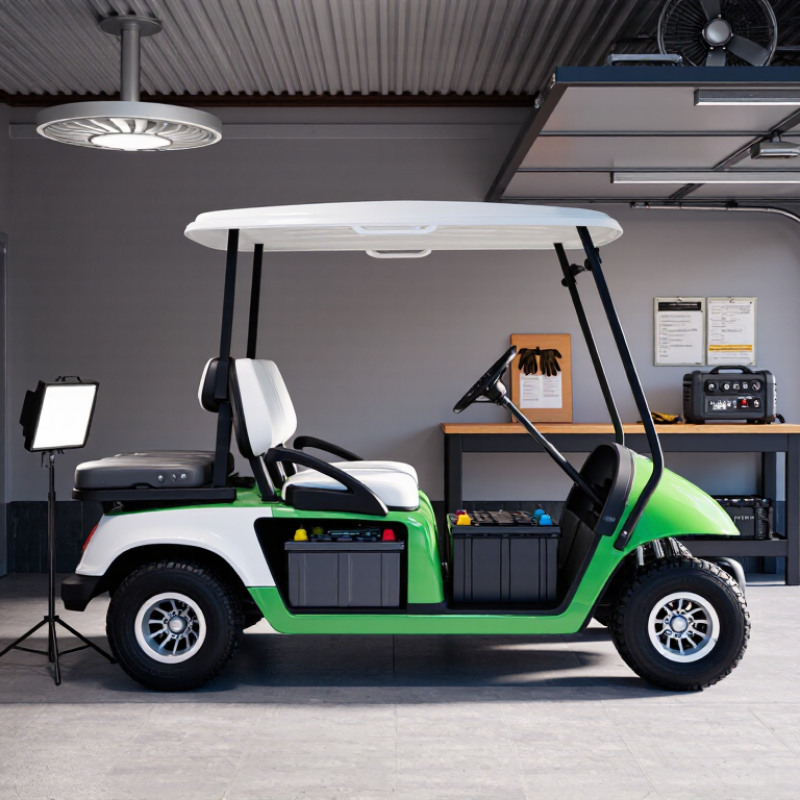
What Is the Best Way to Store Electric Golf Carts Long Term?

Prepare the Electric Golf Cart for Long-Term Storage

Preparing an electric golf cart for long-term storage requires more than parking it under a cover. I once treated storage as simple parking, and a weak battery greeted me months later. Clean mud, grass, and spilled drinks from the body, seats, and floor. Dry every surface carefully, especially around charging connections. Inspect cables, terminals, brakes, lights, and tires for cracks or corrosion.

Charge the battery according to its chemistry and the vehicle’s service instructions. Lead-acid batteries usually need a full charge before storage, while flooded types may require a water-level check. Add only distilled water, and never fill cells before charging unless the instructions specify it. Lithium batteries often need a partial storage charge, not a completely full battery. The exact percentage matters. Follow the manual rather than guessing. Disconnecting the battery may help, but some carts require specific procedures to protect electronic systems.

Choose a cool, dry, well-ventilated location with a level floor. Set the parking brake only if the manual permits it, then use wheel chocks for extra security. Inflate tires to the recommended pressure and rotate them slightly every few weeks if practical. Use a breathable cover, not a sealed plastic sheet that traps moisture. Check the cart monthly for pests, leaks, tire deflation, or unusual battery odor. Do not leave an unapproved charger connected unattended. My earlier mistake was skipping these inspections, assuming nothing would change. Storage still needs attention.

Choose a Dry, Secure, and Suitable Storage Location

Long-term storage begins with the location, not the charger. Choose a dry, enclosed space with a firm, level floor. A garage, ventilated shed, or covered storage room usually works well. Avoid grass, bare soil, and areas exposed to rain. Moisture can reach electrical connections, brake parts, and metal fasteners from below.

Security matters too. Use a locked building with limited access and enough clearance around the cart. Leave room to inspect the tires, connect a charger, and move the cart safely. Keep it away from leaking pipes, direct sunlight, chemical fumes, and heating equipment. A cool, stable environment is better than a sealed space that traps condensation. I once stored a cart beneath a loose cover, and dust mixed with moisture around the controls. It looked harmless, but cleaning took longer than expected.

Tips: Clean and dry the cart before parking it. Check the battery manufacturer’s storage guidance, because charging requirements differ by battery type. Inflate the tires correctly, release unnecessary weight, and use wheel chocks if the floor slopes slightly. Cover the cart with a breathable cover, not plastic sheeting that holds moisture. Inspect it every few weeks for dampness, pests, tire pressure, and unusual battery heat. The ideal location may still need improvement. Tempers change. Condensation appears. Planning for those details protects the cart more reliably.

What Is the Best Way to Store Electric Golf Carts Long Term? - Choose a Dry, Secure, and Suitable Storage Location

Storage Consideration Recommended Practice Why It Matters Long-Term Check
Location Use a dry, covered, well-ventilated indoor area with a firm, level floor. Reduces exposure to rain, condensation, ultraviolet light, and temperature-related damage. Inspect for leaks, standing water, excessive humidity, and blocked ventilation.
Security Choose a locked facility and secure the cart with an appropriate wheel lock or approved immobilizer. Helps prevent unauthorized use, theft, and accidental movement. Confirm doors, locks, alarms, and the parking brake remain functional.
Cleaning and Drying Wash away dirt and corrosive residues, then dry the body, undercarriage, battery area, and charging connection completely. Dirt and moisture can accelerate corrosion and create electrical faults. Look for corrosion, damp connectors, damaged cables, or fluid residue.
Battery Type Follow the battery manufacturer’s storage instructions because lead-acid and lithium-ion batteries require different procedures. Charging limits, temperature requirements, and maintenance needs vary by battery chemistry. Record the battery type and use only the compatible charger and settings.
Lead-Acid Battery Fully charge before storage, keep terminals clean, and check electrolyte level only if the battery design permits it. A discharged lead-acid battery can develop sulfation and lose capacity. Check charge condition periodically and recharge according to the battery instructions.
Lithium-Ion Battery Store at the charge level and temperature specified by the battery manufacturer; do not use a charger that is not approved for the pack. Incorrect charge levels, heat, cold, or incompatible charging equipment can shorten battery life or create safety risks. Check for unusual heat, swelling, odor, visible damage, or warning indicators.
Charger and Power Use a compatible charger in a dry, ventilated area and follow the charging system’s storage instructions. Improper charging or damaged electrical equipment may cause overheating, battery damage, or fire. Inspect plugs, cords, outlets, and connectors for wear or moisture before use.
Power Isolation If the cart has a manufacturer-provided maintenance or run/tow switch, use it as directed in the owner’s manual. Reduces unintended electrical drain and helps prevent accidental operation. Verify the switch position and reconnect the system only when preparing the cart for use.
Tires Inflate tires to the pressure listed on the tire or in the owner’s manual and park on a clean, level surface. Correct pressure helps limit flat spots and reduces stress on the tires and suspension. Check pressure, cracks, tread condition, and signs of uneven loading.
Covering Use a breathable, correctly fitted cover rather than sealing a damp cart under an impermeable sheet. A breathable cover helps limit dust while reducing trapped condensation. Remove and air out the cover if moisture or condensation develops.
Temperature and Humidity Avoid direct sunlight, extreme heat, freezing conditions, and areas with frequent condensation. Stable, moderate conditions help protect batteries, plastics, seals, electronics, and metal components. Use ventilation or approved moisture control where necessary, without restricting airflow around batteries.
Maintenance Schedule Inspect the cart at regular intervals, with the exact schedule based on the storage duration and battery type. Regular checks identify battery discharge, leaks, corrosion, tire pressure loss, and pest damage early. Keep a simple record of inspection dates, battery condition, tire pressure, and any repairs.
Before Returning to Service Inspect brakes, steering, tires, cables, battery connections, lights, and safety equipment before driving. Long storage can reveal low battery capacity, weakened tires, corroded connections, or mechanical problems. Test the cart at low speed in a clear area and stop immediately if unusual noise, heat, odor, or poor braking occurs.

Maintain the Battery and Electrical System Safely

What Is the Best Way to Store Electric Golf Carts Long Term?

Maintain the Battery and Electrical System Safely

Long-term storage starts with the battery, not the parking space. Clean terminals with a dry brush, then inspect cables for cracks, swelling, or green corrosion. Fully charge flooded lead-acid batteries, checking electrolyte only when the design permits. Add distilled water after charging, never before. For lithium batteries, follow the specified storage charge level. Do not improvise. The U.S. Department of Energy warns that extreme temperatures can reduce battery performance and accelerate degradation. Choose a cool, dry, ventilated room instead of a sealed shed.

Disconnecting the main power supply can reduce standby drain, but some carts still power onboard electronics. Check the battery voltage monthly with a suitable meter. Recharge lead-acid batteries before they remain deeply discharged. That interval is conservative, not universal. Keep the charger, receptacle, and wiring dry. A warm connector after charging may indicate resistance or damage. I would not trust a green charger light alone.

NFPA 70B, the 2023 electrical maintenance standard, supports documented inspection programs. Record voltage readings, charging dates, terminal condition, and visible damage. This simple log exposes gradual problems that memory misses. The Battery Council International’s 2023 National Recycling Rate Study reported a 99% recycling rate for lead batteries in the United States. When replacement becomes necessary, use an authorized recycling channel. One easy mistake is ignoring small corrosion. That shortcut deserves skepticism.

Protect the Tires, Body, and Internal Components

Long-term storage starts with a clean, dry cart and a sheltered location.

Wash away mud, grass, and road grit from the tires and underside. Dry every surface before covering it.

A breathable cover prevents trapped moisture. Avoid plastic sheets touching painted panels.

They can hold condensation against the body.

Inflate each tire to the pressure listed in the service manual. Place the cart on level ground.

I prefer tire cradles or small stands, but they must support the frame, not the suspension arms.

Protecting internal components requires battery care and moisture control.

For lead-acid batteries, check electrolyte levels and keep terminals clean and tight.

For lithium batteries, follow the storage charge level specified in the manual.

Never guess. Disconnect the main power connection when the manual permits it.

Inspect the charger cable for cracks before use. Keep the motor, controller, and wiring away from standing water.

Do not use a high-pressure washer near electrical housings.

Check the cart every few weeks. Look for flat spots, rust under the frame, loose terminals, and moisture beneath the cover.

Rotate the tires slightly if they remain loaded in one position.

Place moisture absorbers inside the storage area, but keep them away from children and animals.

I once stored a cart with damp grass trapped beneath the floor mat. Rust appeared sooner than expected.

That mistake changed my routine: clean underneath, dry carefully, and inspect areas that are easy to overlook.

Check and Recommission the Golf Cart Before Use

Check and Recommission the Golf Cart Before Use

Long-term storage is only half the job. Recommissioning determines whether the cart is safe and dependable. Before turning the key, inspect the frame, brakes, steering, tires, cables, and charging system. Look for cracked battery cases, corrosion, leaks, and rodent damage. Do not rely on appearance alone. A battery may look clean yet hold very little charge.

For lead-acid batteries, check electrolyte levels with protective gloves and eye protection. Add only distilled water, and never overfill before charging. Charge the pack with its approved charger, then test resting voltage and performance under load. Lithium battery systems require a different approach. Do not open sealed packs or bypass battery controls. The U.S. Department of Energy advises following the manufacturer’s charging and storage procedures for rechargeable vehicle batteries. A 2024 Geotab report, analyzing more than 10,000 electric vehicles, found average battery degradation near 1.8% annually. Golf cart batteries can age differently, especially in heat. That comparison is useful, but not perfect.

Tips: Inflate tires to the specified pressure. Roll the cart slowly first. Test the brakes on level ground. Inspect charger plugs for heat marks. Let a qualified technician handle swelling, smoke, or unusual battery odors. I have seen owners skip the load test after a “full” charge. That shortcut often reveals itself on the first hill. Record voltage, tire pressure, and service dates, even if the notes seem excessive. Industry maintenance guidance, including NFPA 70B, emphasizes documented inspection and condition-based servicing for electrical equipment.

Check and Recommission the Golf Cart Before Use

Approximate open-circuit voltage readings for a fully rested 48-volt lead-acid golf cart battery pack. Allow the batteries to rest for several hours after charging before testing.

How to use this check: A reading near 50.9 V suggests a full charge, while readings below approximately 46.8 V indicate that the battery pack needs charging and further inspection. Before driving, also inspect battery connections, tire condition and pressure, brake operation, steering response, fluid levels, and the charging system.

FAQS

How should an electric golf cart be cleaned before long-term storage?

Remove mud, grass, and spilled drinks from the body, seats, and floor. Dry all surfaces carefully. Pay special attention to charging connections.

How should the battery be prepared for storage?

Follow the battery chemistry and vehicle instructions. Lead-acid batteries usually need a full charge. Lithium batteries often need a partial charge. Do not guess the percentage.

Should water be added to a lead-acid battery?

Check the electrolyte level when required. Use only distilled water. Wear protective gloves and eye protection. Never overfill the cells before charging.

What storage location is suitable for an electric golf cart?

Choose a cool, dry, and well-ventilated area. Use a level floor. A breathable cover is better than sealed plastic. Plastic can trap moisture.

How can the cart be kept secure during storage?

Follow the manual before setting the parking brake. Use wheel chocks for additional security. Inflate the tires to the recommended pressure. Rotate them slightly every few weeks when practical.

What should be checked during long-term storage?

Inspect the cart monthly. Look for pests, leaks, tire deflation, corrosion, and unusual battery odors. Do not leave an unapproved charger connected unattended. I once skipped these checks. That was a mistake.

What should be inspected before using the cart again?

Check the frame, brakes, steering, tires, cables, and charging system. Look for cracked battery cases, leaks, corrosion, and rodent damage. Inspect charger plugs for heat marks. Appearance alone proves little.

How should the cart be recommissioned after storage?

Charge the battery with its approved charger. For lead-acid systems, test resting voltage and performance under load. Do not open sealed lithium packs or bypass battery controls. Roll slowly first. Test brakes on level ground. Record voltage, tire pressure, and service dates.

Conclusion

If you are wondering what is the best way to store electric golf carts long term, begin by preparing the cart carefully. Clean and dry the exterior, remove personal items, inspect for dirt or moisture, and follow the battery manufacturer’s safe storage recommendations. Choose a dry, secure, well-ventilated location protected from rain, extreme temperatures, and direct sunlight. The cart should be parked on a stable, level surface with enough space for inspection and maintenance.

During storage, check the battery and electrical connections periodically without taking unnecessary risks, and keep the charging system maintained according to the equipment instructions. Protect the tires from prolonged pressure in one position by adjusting inflation as recommended and occasionally repositioning the cart. Cover the body with a breathable cover, while keeping vents and sensitive components protected from dust and moisture. Before using the cart again, inspect the battery, wiring, tires, brakes, steering, controls, and overall condition. Recharge safely, test each function gradually, and address any unusual sounds, leaks, or damage before regular operation.

Mason

Mason

Mason is a seasoned marketing professional with a deep expertise in the company's offerings and a passion for driving brand awareness. With a strong background in digital marketing strategies, he has an innate ability to connect with diverse audiences and effectively communicate product benefits.......