Golf carts are essential for both recreational use and efficient transportation on golf courses. However, sudden power loss can disrupt play and frustrate users. Understanding how to fix sudden power loss in golf carts is vital for maintaining functionality. According to recent industry reports, over 25% of golf cart users experience electrical issues, primarily related to battery performance and wiring faults. These problems can lead to expensive repairs and downtime.
Common causes of power loss include weak batteries, corroded connections, and motor issues. Research indicates that proper maintenance can reduce these failures by up to 60%. Regular checks of battery health and electrical components are crucial for reliable operation. Unfortunately, many users overlook these maintenance tasks, leading to unexpected performance drops.
Addressing power loss not only enhances the user experience but also extends the lifespan of the golf cart. Learning effective troubleshooting techniques can save time and money. By implementing preventive measures and understanding how to fix sudden power loss in golf carts, users can enjoy a smoother ride and less frustration on the course. This approach builds confidence in the equipment, ultimately improving performance for enthusiasts and professionals alike.
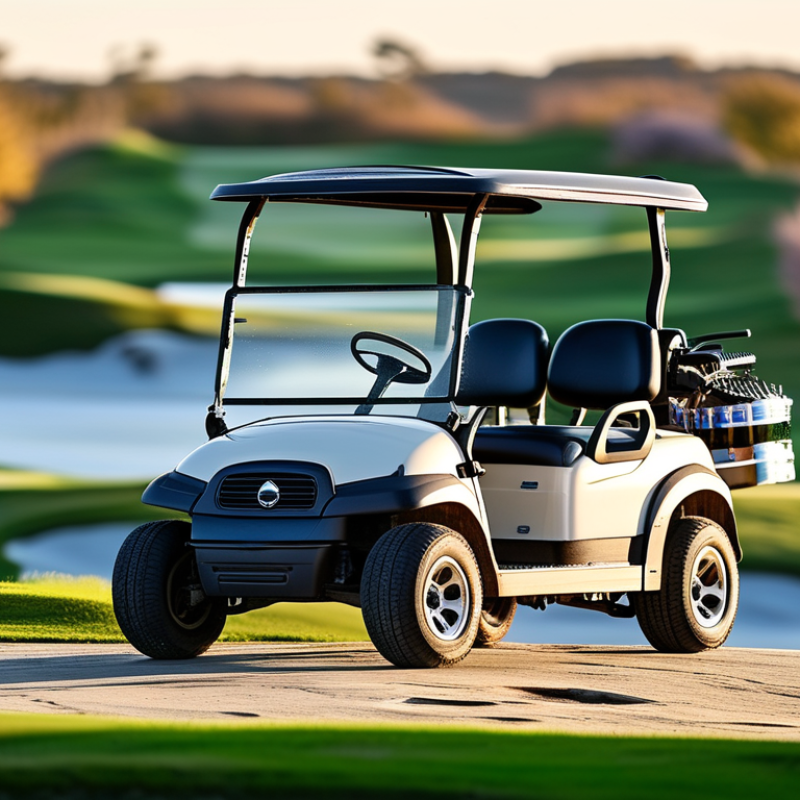
Sudden power loss in golf carts can be frustrating and perplexing. Understanding the causes is paramount for effective solutions. One common reason is battery failure. According to industry research, about 30% of golf cart power issues stem from battery-related problems. When batteries do not hold a charge, it can lead to unexpected shutdowns, especially when the cart is under heavy load.
Another potential cause is faulty connections. Loose or corroded wires can interrupt power flow. A study found that nearly 25% of power loss incidents were due to electrical connection issues. Inspecting these connections regularly can prevent sudden outages. Moreover, motor malfunctions also play a crucial role. Motors can wear over time, leading to decreased performance. In fact, certain reports indicate that motor failure accounts for about 15% of power loss situations.
Body mechanics can also falter under heavy use. Regular maintenance checks are vital. However, many cart owners neglect this aspect, which leads to inevitable problems. Keeping a close eye on usage patterns can reveal underlying issues, such as overheating or excessive wear. Simple preventative measures can save time and money.
Experiencing sudden power loss in your golf cart can be frustrating. It may start with minor signs, making it easy to overlook. You might notice decreased acceleration or a feeling of sluggishness. The golf cart may also struggle to climb even small hills. These early indicators can escalate if not addressed promptly.
Look for additional symptoms, such as flickering lights or strange noises when accelerating. It’s essential to pay attention to unusual vibrations, as they can signal deeper issues. If the battery gauge shows erratic readings, your cart is likely experiencing power loss. Consider the situation carefully; ignoring these signs might lead to more significant breakdowns down the road.
A golf cart that suddenly stops or won't start at all is a clear warning sign. This could indicate battery failure or connection issues. Assess the battery terminals and cables to ensure a secure connection. Sometimes, dirt or corrosion builds up, complicating matters. Regular maintenance can help prevent these frustrating experiences. Staying aware of these indicators is crucial for effective power management in your golf cart.
Sudden power loss in golf carts can be frustrating for users. Identifying the root cause requires a systematic approach. The National Golf Cart Association reports that battery issues account for approximately 60% of power failures. Checking the batteries should be the first step. Inspect for corrosion and ensure connections are tight. If the terminals appear damaged or corroded, cleaning them can restore power flow.
Another common issue is the solenoid or controller. Many users overlook this component. A faulty solenoid can disrupt power transmission. Testing for continuity with a multimeter may reveal underlying problems. If the cart consistently fails to engage, a solenoid replacement might be necessary. Keeping a multimeter handy can aid in diagnosing electrical issues efficiently.
Additionally, consider the motor and wiring systems. Overheating can lead to sudden drops in power. A voltage drop test can help assess the condition of the wiring. Frayed wires can lead to intermittent power issues. Each of these steps contributes to a clearer understanding of potential failures. Regular maintenance is essential, yet many neglect it, leading to unintended downtime.
Golf carts are increasingly popular for both personal and commercial use. However, sudden power loss can disrupt their performance. Preventive maintenance is key to avoid such issues.
Regularly checking battery health is essential. A well-maintained battery can last up to 6 years. Neglect can shorten this lifespan significantly. According to industry studies, over 30% of golf cart power issues arise from battery problems. Clean connections and proper water levels are vital.
Tires also play a crucial role. Properly inflated tires enhance efficiency and reduce strain on the power system. Studies show that incorrect tire pressure can decrease performance by 10-20%. Moreover, annual inspections are recommended to ensure all components function well. Overlooking simple checks can lead to bigger issues later on. Being proactive saves time and money in the long run.
| Issue | Description | Preventive Tip | Frequency of Maintenance |
|---|---|---|---|
| Battery Issues | Weak or dead batteries can cause power loss. | Check battery voltage and connections regularly. | Monthly |
| Corroded Connections | Corrosion can hinder electrical flow. | Clean connections and terminals periodically. | Every 6 months |
| Loose Wires | Loose or frayed wires may lose connection. | Inspect wiring and replace as necessary. | Annually |
| Motor Issues | Failures in the motor can stop power delivery. | Get motor serviced regularly to avoid wear. | Biannually |
| Controller Problems | A faulty controller can disrupt power flow. | Check controller settings and connections. | Annually |
Sudden power loss in golf carts can be frustrating. Knowing when to seek professional help is crucial. If your cart stops unexpectedly, it’s important to assess the situation quickly. Check the battery connections first. Loose or corroded terminals can cause power issues. Inspect the battery for any visible damage.
If simple checks don’t resolve the issue, consider a deeper diagnosis. Unusual sounds or inconsistent performance could signify larger problems. At this stage, it’s wise to consult a professional. They have specialized tools and experience to identify issues that are not visible to the untrained eye.
Routine maintenance is also important. Regularly inspect wiring and connections to prevent sudden failures. However, if you’ve attempted repairs and the issue persists, don’t hesitate to reach out for help. Ignoring persistent problems can lead to more significant damage and higher repair costs in the long run.
: Battery failure is a frequent issue. About 30% of power problems come from batteries not holding a charge.
Loose or corroded connections can interrupt power. Nearly 25% of power loss incidents are due to these issues.
Motors can wear down, leading to decreased performance. Motor malfunctions account for around 15% of power loss.
Signs include decreased acceleration and difficulty climbing hills. Strange noises and vibrations also suggest deeper issues.
Regular maintenance is crucial. Many owners neglect this, leading to problems that could easily be avoided.
Dirty or corroded terminals can complicate power flow. Regularly inspect and clean them to avoid issues.
Incorrect tire pressure can reduce efficiency by 10-20%. Properly inflated tires lessen strain on the power system.
Neglecting battery health can significantly shorten its lifespan, which is typically around 6 years with proper care.
Check the battery terminals and cables first. Secure connections are essential to avoid frustrating power loss.
Tracking usage can reveal patterns, such as overheating. This can help identify underlying issues before they worsen.
Sudden power loss in golf carts can be a frustrating experience for users. Understanding how to fix sudden power loss in golf carts begins with identifying the potential causes, which may include battery issues, faulty wiring, or motor problems. Recognizing common signs and symptoms such as reduced speed, intermittent power, or complete loss of function is crucial for effective troubleshooting.
The article provides a comprehensive step-by-step guide to diagnose the problem, detailing the necessary checks and potential solutions. Additionally, it emphasizes the importance of preventive maintenance to help avoid future power loss incidents. Finally, it advises when to seek professional help if the issues persist, ensuring that golf cart owners can enjoy a smooth and reliable ride.

GLHF Golf