Charging golf cart batteries correctly is crucial for maximizing their lifespan and performance. According to the National Golf Cart Association, improper charging can shorten battery life by up to 40%. Understanding how to properly charge golf cart batteries for longer life is essential for owners who want to avoid costly replacements.
Expert John Smith, a veteran in battery technology, emphasizes, "A consistent charging routine is key to maintaining battery health." His insights reflect the importance of following recommended charging practices. Overcharging or undercharging can lead to sulfation, reducing battery efficiency.
Engaging with current data reveals that many golf cart users overlook simple guidelines. A study by the Battery Council International shows that a lack of proper education on charging practices is a common issue among golf cart owners. By adopting best practices, such as monitoring charging cycles and avoiding deep discharges, owners can enhance battery performance and longevity. Embracing these tips will ensure that your golf cart remains reliable for many rounds of golfing.
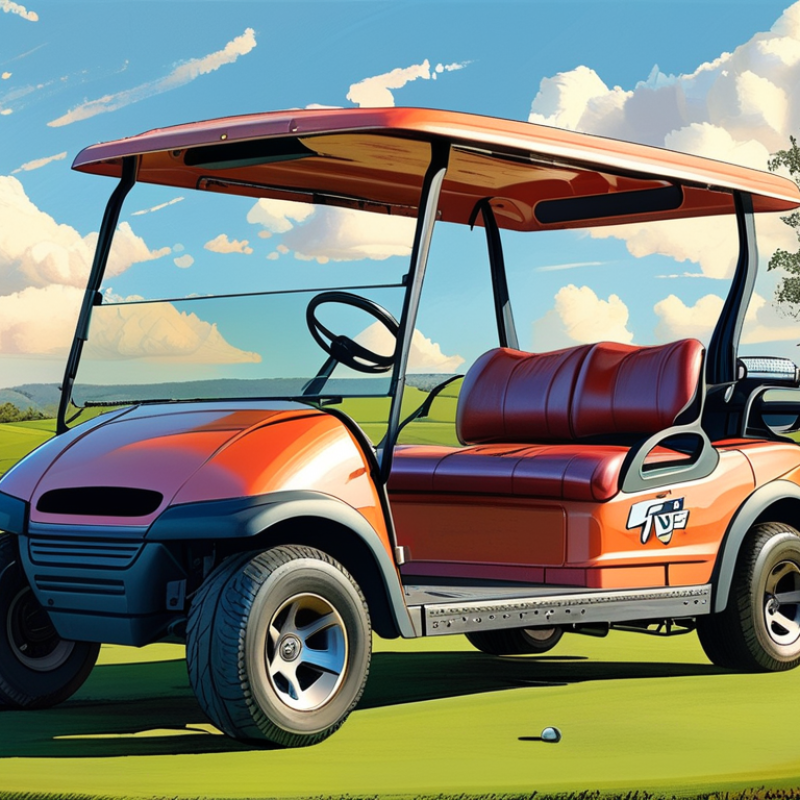
When it comes to golf cart batteries, understanding their types is crucial for maintenance. The most common types are lead-acid and lithium-ion.
Lead-acid batteries are economical but require careful handling. They have limited cycling life, so frequent charging might wear them out faster. On the other hand, lithium-ion batteries are lighter and charge faster, offering extended longevity. However, their initial costs can be higher.
To enhance battery life, consider the charging habits you develop. One tip is to avoid deep discharging your batteries. Keeping them above a certain charge level can prevent damage. Another good practice is to use a smart charger. These chargers monitor the battery's health and adjust the charging rate accordingly. They protect against overcharging and overheating, crucial for preserving the battery's lifespan.
Lastly, regularly inspect your batteries for corrosion. Corroded terminals can affect performance. If corroded, clean them safely with a mixture of baking soda and water. Battery maintenance might require attention, but addressing these details can lead to a more efficient, longer-lasting golf cart experience.
A regular charging schedule is vital for extending the life of golf cart batteries. Consistent charging helps maintain optimal performance. Batteries benefit from being charged after each use, ensuring they don’t discharge too deeply. This practice prevents potential damage and promotes longevity.
Establishing a routine can be beneficial. For example, charging your cart every time it's used encourages a healthy battery life. Also, check the water levels in your batteries periodically. Low water can lead to overheating and reduced capacity.
Avoid overcharging batteries, as this can lead to gassing and damaging the cells. Invest time in learning your battery's specific needs. Different types of batteries have varying requirements for optimal charging. By understanding and adhering to these needs, you can foster a more reliable golf cart experience. Establishing these habits can seem tedious at first, but they pay off significantly in the long run.
When you purchase a golf cart, the initial charging of its batteries is crucial for longevity. Many overlook the importance of this step. After bringing your cart home, it's essential to ensure a proper charge before the first use. Ideally, charge the batteries overnight to give them a full cycle. This ensures they reach optimal capacity.
It's vital to follow the recommendations from the manufacturer for initial charging. Many experts suggest a slow charge is better than a fast charge. Slow charging helps maintain battery health over time. Keep in mind the environment where you charge your cart. High temperatures can lead to battery damage. Ensure the area is well-ventilated to avoid overheating and to promote better performance.
Even with the best intentions, mistakes happen. Some users may leave the batteries on charge for too long, leading to overcharging. It's important to be aware of this potential pitfall. Regularly check the charging duration to avoid this error. Monitoring your charging habits will pay off in the long run, helping extend the life of your golf cart batteries significantly.
Charging golf cart batteries correctly is crucial for their longevity. Maintaining battery health starts with the charger. Using a reliable charger designed for your battery type matters. According to a report from the Battery University, improper charging can shorten battery life by up to 50%.
Monitor the charging process closely. Avoid overcharging, as it heats the battery. Heat can lead to faster degradation. Opt for a charger with automatic shut-off features. This enhances safety and preserves battery health. Regularly check the water levels in lead-acid batteries. Low water levels can cause sulfation and permanent damage.
Charging at optimal temperatures also plays a vital role. Extreme cold or heat can affect performance. Ensure a cool, dry environment for charging. Investigate any unusual signs, such as swelling or leakage. These can indicate deeper issues. Taking these steps will help ensure that your golf cart batteries remain functional for years.
| Tip Number | Charging Tip | Description |
|---|---|---|
| 1 | Use the Right Charger | Always use a charger that is compatible with your battery type to avoid damage. |
| 2 | Charge After Use | Recharge batteries immediately after use to prevent sulfation. |
| 3 | Avoid Overcharging | Stop charging once batteries are fully charged to extend their lifespan. |
| 4 | Maintain Water Levels | Ensure water levels are adequate before charging to prevent damage. |
| 5 | Charge in a Safe Location | Charge in a well-ventilated area away from flammable materials. |
| 6 | Check Battery Connections | Inspect and clean terminals regularly to ensure good connectivity. |
| 7 | Use a Smart Charger | Invest in a smart charger that can automatically adjust the charging rate. |
| 8 | Battery Equalization | Perform equalization charging every few months to balance battery voltages. |
| 9 | Monitor Charging Duration | Keep track of how long you charge your batteries to avoid overcharging. |
| 10 | Check for Damage | Regularly inspect batteries for cracks or leaks to ensure safety. |
Overcharging golf cart batteries can lead to significant issues. When batteries receive excessive charge, they may overheat. This can cause fluid to evaporate rapidly. A study on lead-acid batteries found that 30% of their lifespan can be reduced by overcharging. Symptoms of overcharging include:
swelling, leaking, and an unpleasant odor.
To avoid overcharging, monitor charging times carefully. Many battery experts recommend a charging cycle of 8-10 hours. Use a smart charger that can automatically shut off when batteries reach full charge. Regularly inspect the battery for signs of damage. Look for any bubbling or discoloration around the terminals, which indicates heat buildup.
Research indicates that maintaining proper voltage levels is crucial. The ideal voltage for a fully charged golf cart battery is about 2.12 volts per cell. Operating beyond this range can significantly reduce battery efficiency. Regularly testing the battery with a voltmeter ensures it stays within this optimal range. Proper care and consistent monitoring help promote longevity and performance of your golf cart batteries.
: A regular schedule extends battery life and maintains optimal performance.
Charge them after each use to prevent deep discharge and potential damage.
Regularly check the water levels; low water can cause overheating and reduced capacity.
Overcharging can lead to gassing and damage the battery cells, shortening their lifespan.
Charge them overnight for a full cycle before the first use for optimal capacity.
Yes, avoid high temperatures during charging to prevent battery damage; ensure proper ventilation.
Regularly monitor charging duration to avoid overcharging and its potential pitfalls.
Use a reliable charger specific to your battery type to ensure proper charging.
Look for swelling or leakage; these could signal deeper problems needing attention.
Charge in a cool, dry area; extreme temperatures can negatively impact performance.
To ensure longevity and optimal performance of golf cart batteries, it's essential to understand the different types available and establish a regular charging schedule. Knowing how to properly charge golf cart batteries for longer life starts with best practices for initial charging after purchase, which involves fully charging the batteries before first use. Additionally, maintaining battery health during charging is crucial; users should avoid letting the batteries discharge too low and ensure proper terminal maintenance.
Recognizing signs of battery overcharging can help prevent damage. Symptoms may include excessive heat and a significant drop in performance. By following these guidelines and remaining vigilant about battery care, golf cart owners can extend the lifespan of their batteries and improve overall efficiency.

GLHF Golf