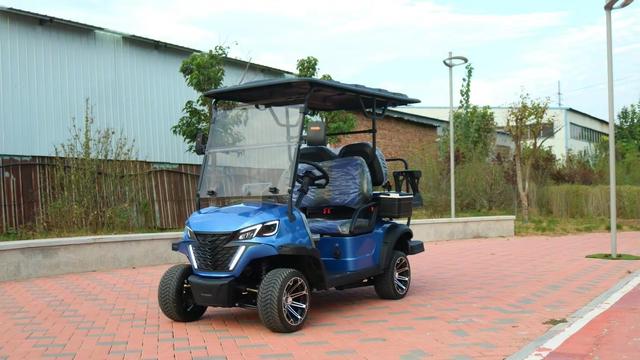
Explore our premium selection of multi-purpose configurations engineered for global hospitality, off-road applications, and modern resort transport.
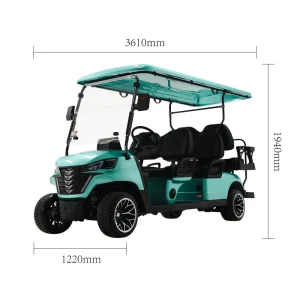
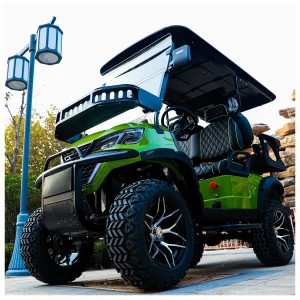
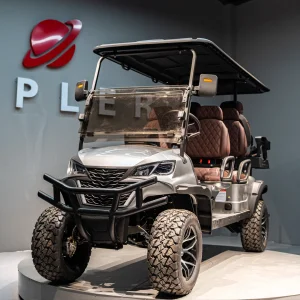
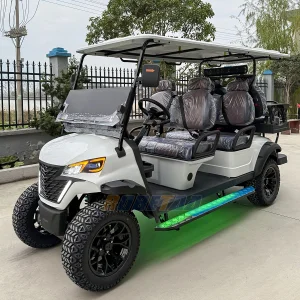
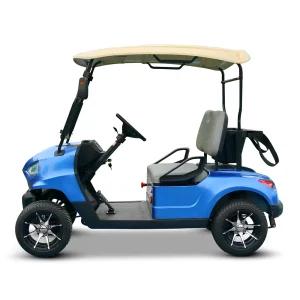
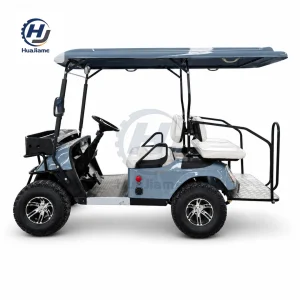
Ningbo GLHF Golf Co., Ltd. is a professional manufacturer specializing in electric golf carts and golf course mobility solutions. The company focuses on the design, development, and production of lithium and lead-acid battery-powered golf vehicles, providing reliable transportation solutions for golf courses, resorts, residential communities, hotels, and commercial facilities worldwide.
Since its establishment, GLHF Golf has built a strong foundation in electric mobility engineering and golf industry applications. In its early stage, the company concentrated on assembling basic lead-acid battery golf carts for domestic markets, gradually gaining experience in vehicle structure optimization and battery management systems. As demand for cleaner and more efficient energy solutions increased, the company entered a rapid development phase, introducing lithium battery technologies and upgrading its product line to meet international standards.
Over the years, GLHF Golf expanded its manufacturing capabilities with advanced production lines, precision assembly workshops, and strict quality control systems. The company continuously improved core technologies such as electric drivetrain efficiency, battery endurance, and vehicle safety performance. At the same time, it developed a diversified product portfolio covering passenger carts, utility carts, and customized fleet solutions for large-scale golf course operations.
Today, Ningbo GLHF Golf Co., Ltd. serves global clients with a strong commitment to innovation, durability, and energy efficiency. With ongoing investment in smart mobility systems and sustainable transportation technologies, the company aims to become a leading international supplier of electric golf cart solutions, delivering high-performance, eco-friendly vehicles for modern golf and leisure industries.
Macro trends driving the transition from leisure buggy accessories to critical electric fleet assets.
The global utility vehicle landscape is undergoing a structural transition. No longer confined to the fairways of traditional courses, modern multi-purpose electric golf carts are now deployed as indispensable micro-mobility units across diverse sectors including eco-resorts, master-planned residential communities, airports, logistics hubs, and military installations. The shift is accelerated by strict carbon-reduction mandates, rising urban density, and the cost-efficiencies realized by migrating away from internal combustion engine (ICE) utility fleets.
In North America and Europe, strict EPA and European Commission emission limits have created a booming demand for street-legal Low-Speed Vehicles (LSVs). These vehicles must satisfy rigorous safety parameters while maintaining the lightweight flexibility of traditional buggies. Simultaneously, the Asia-Pacific region is experiencing rapid development in massive eco-tourism zones and smart-city residential nodes where traditional passenger vehicles are banned, cementing multi-purpose utility buggies as the primary choice for local transportation.
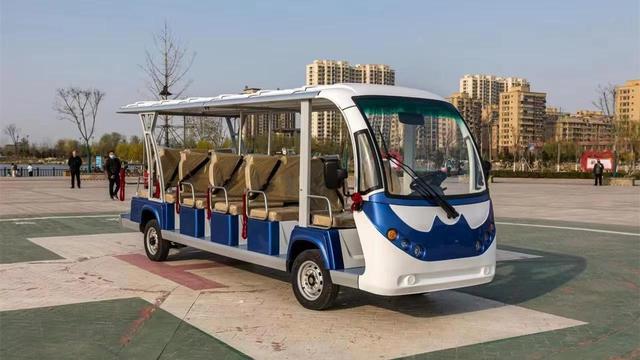
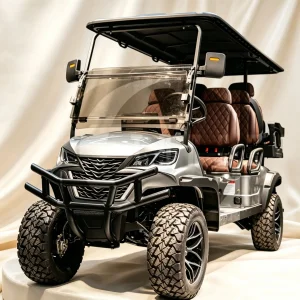
Integrated solar panels and high-capacity lithium packs allow large resorts to transport guests quietly, protecting the natural soundscape and atmosphere while reducing energy costs.
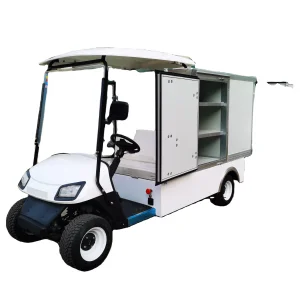
Equipped with custom modular cargo boxes, heavy-duty suspension, and AC high-torque motors to handle demanding tasks in high-speed sorting warehouses and factory environments.
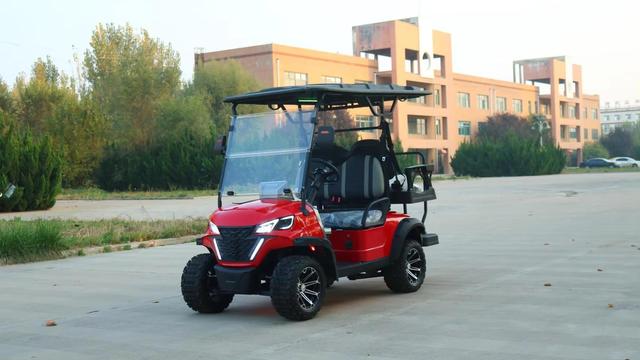
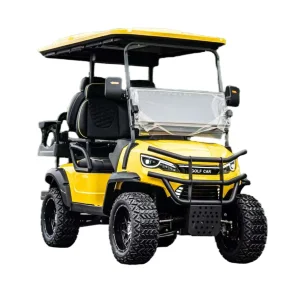
Designed for off-road environments with 4WD, aggressive tires, protective brush guards, and durable power systems built to handle rough terrain and outdoor expeditions.
The convergence of advanced lithium manufacturing, precision machining, and coastal export infrastructure.
China’s dominance in the global electric vehicle supply chain is built on decades of investment, technology development, and optimized logistics. At the center of this ecosystem is Ningbo, a coastal manufacturing hub known for its deep-water port, precision toolmaking, and easy access to top-tier electric drivetrain and battery suppliers. This location allows manufacturers like Ningbo GLHF Golf Co., Ltd. to source premium grade components efficiently and cost-effectively.
From modular LiFePO4 battery integration to advanced AC brushless motor calibration and electronic controller systems, Chinese factories benefit from a complete, co-located component ecosystem. This proximity simplifies the supply chain, minimizes transit delays, and reduces manufacturing costs. Procurement managers benefit from lower unit costs, faster turnaround times, and the flexibility to order customized configurations without the long lead times typical of other production regions.
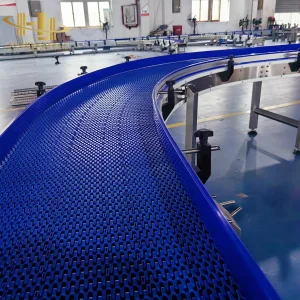
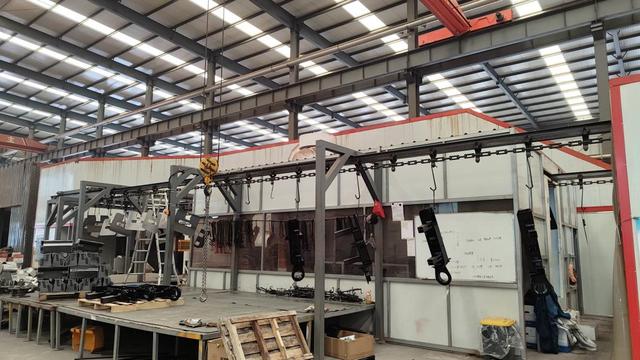
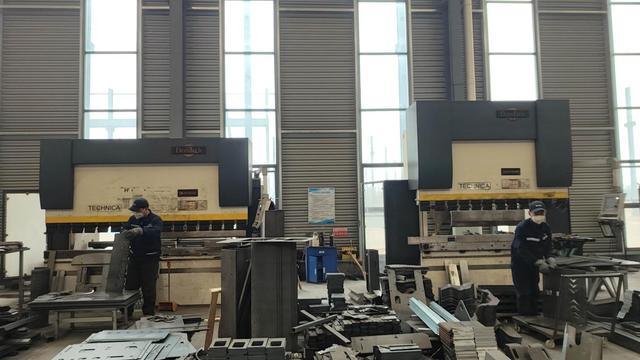
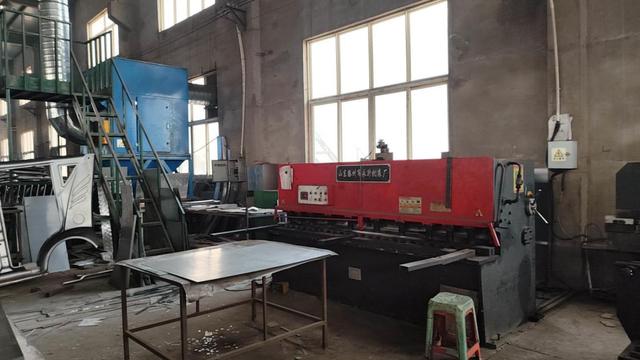
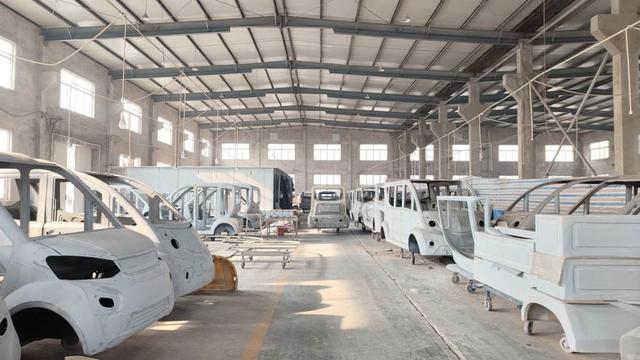
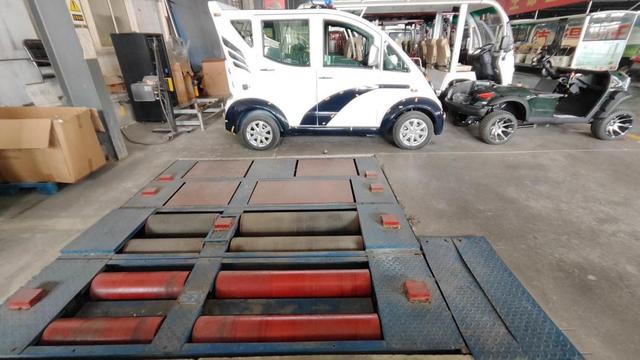
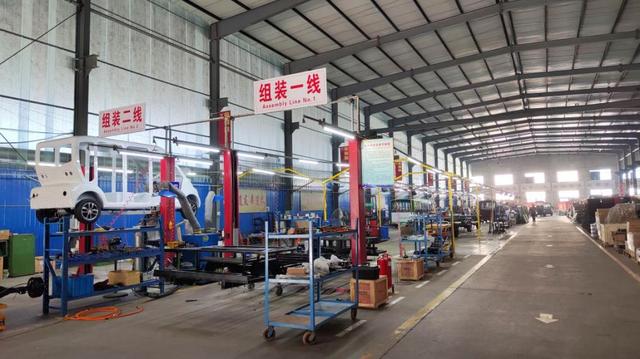
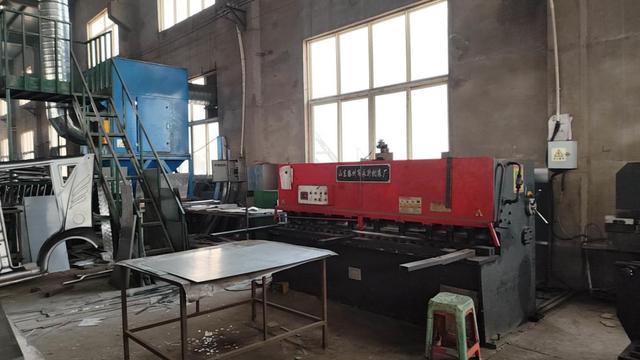
Direct look inside our assembly line, testing stations, and raw material preparation zones.
An in-depth breakdown of battery management, powertrain efficiency, and dynamic control integration.
The performance of modern electric utility vehicles depends on three core systems: the battery management system (BMS), the electric motor controller, and the frame design. By upgrading from traditional direct-current (DC) motors to alternating-current (AC) induction systems or permanent magnet synchronous motors (PMSM), electric golf carts can deliver up to 30% more torque. This improvement is crucial for handling steep slopes, uneven terrain, and heavy cargo loads.
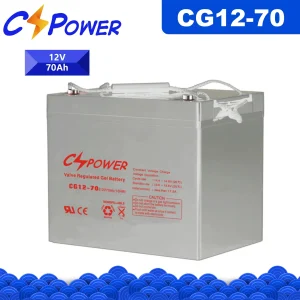
At the same time, the transition from traditional flooded lead-acid batteries to Lithium Iron Phosphate (LiFePO4) chemistry has transformed fleet management. Lithium systems last up to 3,500 charging cycles—compared to just 500-800 cycles for lead-acid batteries. They also eliminate the need for water maintenance, reduce vehicle weight by over 150 kg (which decreases wear on suspension components), and support opportunity charging. This means fleets can be partially recharged during short breaks without degrading the battery's overall lifespan.
Essential factors to evaluate when sourcing commercial golf cart fleets from China.
For sourcing directors and fleet operations managers, choosing a manufacturing partner requires evaluating a range of technical and operational criteria. The initial purchase price is only one part of the equation; long-term value depends on build quality, regulatory compliance, and post-purchase support.
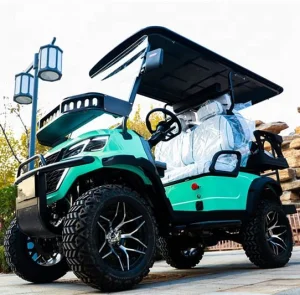
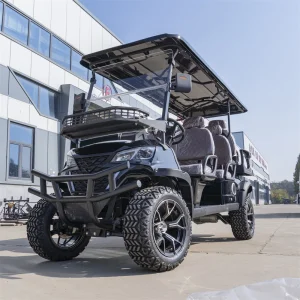
Explore our specialized utility vehicles, high-capacity lithium configurations, and industrial transport systems.
Clear answers to technical and regulatory questions about importing electric utility carts.
 GLHF Golf