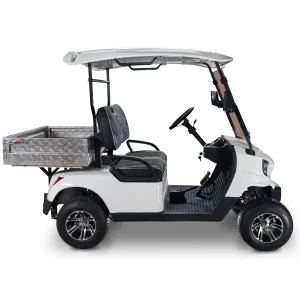
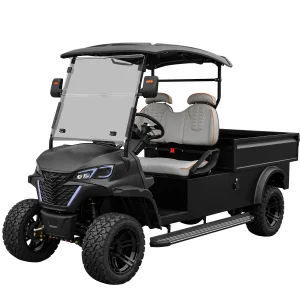
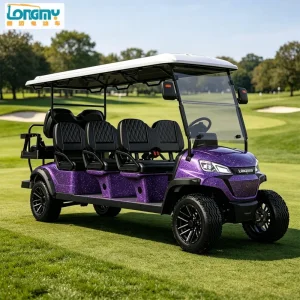
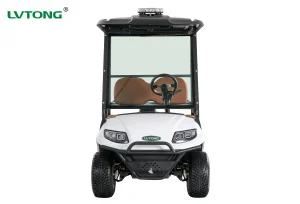
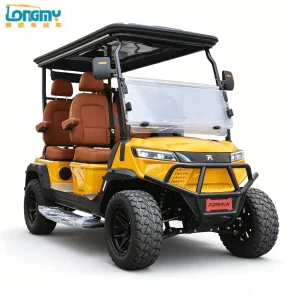
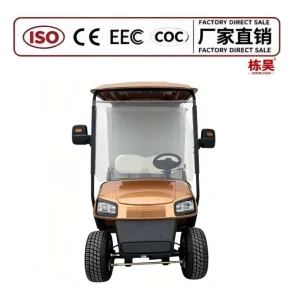
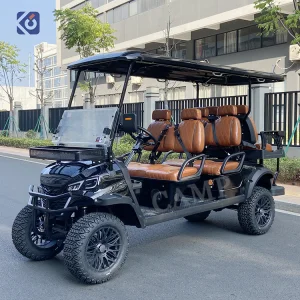
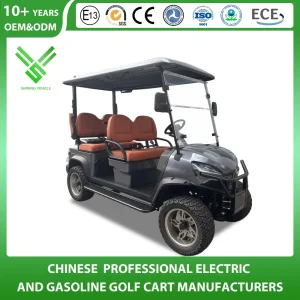
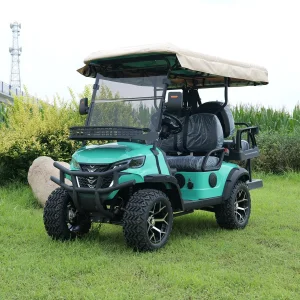
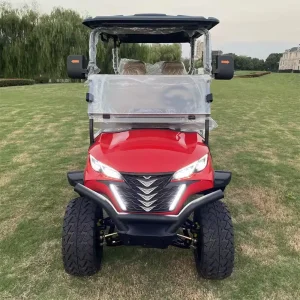
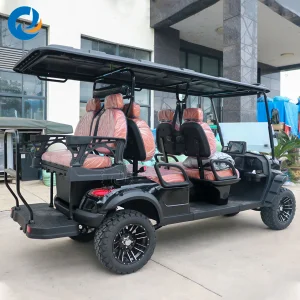
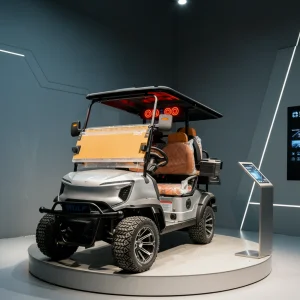
Explore our flagship configurations optimized for commercial resorts, golf courses, gated communities, and heavy-duty utility applications.
Drivetrain Efficiency Rating
Per-Charge Long Range
EPA / DOT / CE Compliant
Automated Production Level
The global low-speed vehicle (LSV) industry is undergoing a structural transition. Standard golf carts are no longer confined to pristine fairways. Instead, they have mutated into essential micro-mobility assets across commercial, industrial, municipal, and residential sectors. Driven by aggressive zero-emission mandates and the economic pragmatism of electrification, fleet operators are phasing out legacy internal combustion engines (ICE) in favor of high-performance electric powertrains.
Historically, lead-acid batteries dictated the design parameters of fleet buggies. Heavy weight, low energy density, long charge cycles, and intense maintenance demands limited their productivity. Today, the industry benchmark has shifted decisively to Lithium Iron Phosphate (LiFePO4) platforms. LiFePO4 cells yield a 3x increase in life expectancy (up to 3,500 charging cycles), rapid charge capabilities, zero maintenance, and a significantly lower Total Cost of Ownership (TCO). This technology, coupled with high-output AC motors (often 5kW or higher), allows modern carts to scale steep inclines, transport heavy cargo beds, and operate uninterrupted for up to 90 kilometers on a single charge.
Furthermore, smart connectivity has become standard. Fleet managers now leverage telematics, GPS geofencing, remote diagnostics, and integrated touchscreens with backup cameras to secure operations, streamline scheduling, and protect capital equipment from unauthorized usage or structural abuse.
Core Trend: Electric Low-Speed Vehicles (LSVs) are scaling globally due to strict carbon taxes and rapid urban green-zone expansions.
The Lithium Wave: Standardizing on 48V/72V LiFePO4 eliminates battery maintenance overheads by 100%.
B2B Strategy: Procuring directly from vertically integrated Chinese factories reduces acquisition costs by 35-50% compared to Western assembly plants.
Strategic sourcing managers must verify technical and regulatory compliance prior to placing volume purchase orders. Below is the framework for auditing manufacturing partners.
| Regulatory Protocol / Standards | Geographical Applicability | Critical Engineering Requirements | Safety Compliance Checklist |
|---|---|---|---|
| DOT (Department of Transportation) / LSV Compliance | North America (USA, Canada) | VIN registration capability, max speed capped at 25 mph (40 km/h), certified windshields, and seatbelts. | DOT-approved glass, backup cameras, high-output LED headlights, reflectors, and side mirrors. |
| EPA (Environmental Protection Agency) Certification | United States | Strict verification of emission-free electric powertrains and chemical composition of energy storage units. | Safe battery cell certification, non-hazardous battery management systems (BMS). |
| CE / EEC Certification | European Union / European Economic Area | Electromagnetic compatibility (EMC), low voltage directives, standard electrical insulation, and roadworthy approval. | Hydraulic brake configurations, dual circuit braking systems, standardized lights, horn, and dual-speed controllers. |
| ISO 9001:2015 & ISO 14001 | Global Standards | Audit trails for component traceability, systematic raw material testing, and ecological waste disposal systems. | End-to-end quality inspection protocols on welding, paint longevity, and electronic performance testing. |
*Note: Failing to secure these certifications during customs clearance can result in product seizures, severe monetary fines, or prohibition of road use. Ningbo GLHF Golf guarantees compliant configurations with certified components for major global jurisdictions.
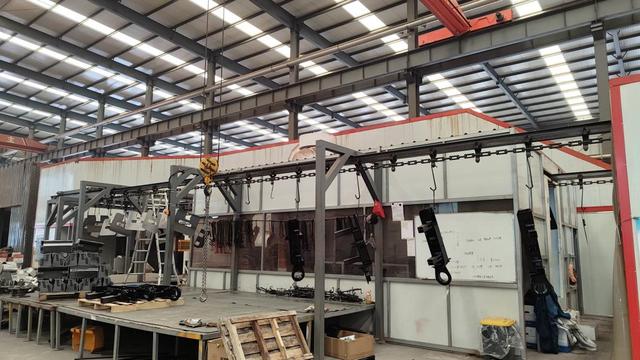
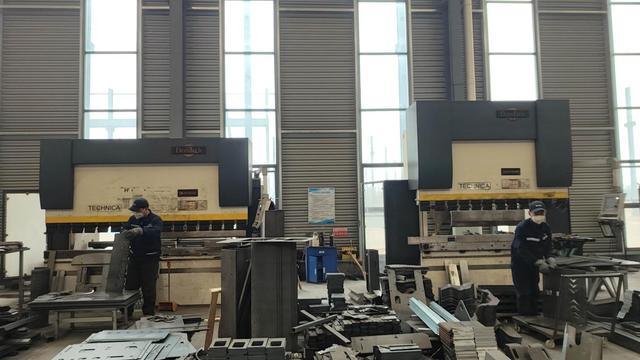
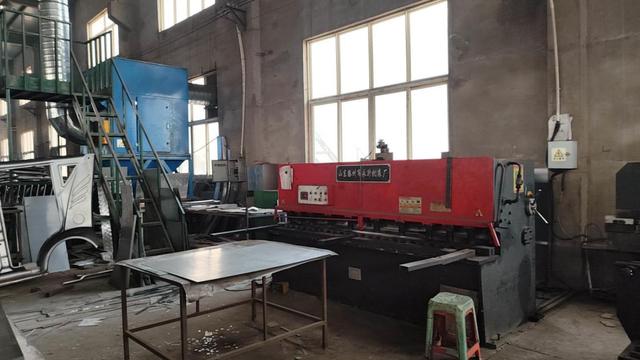
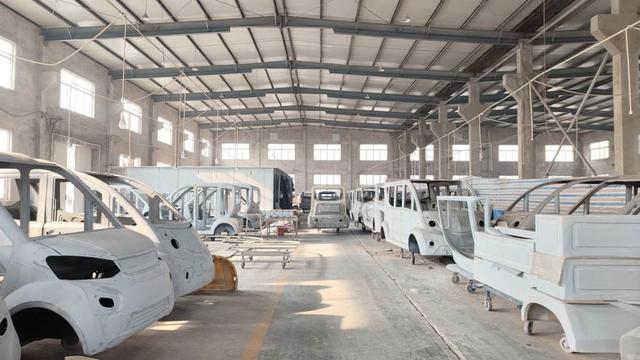
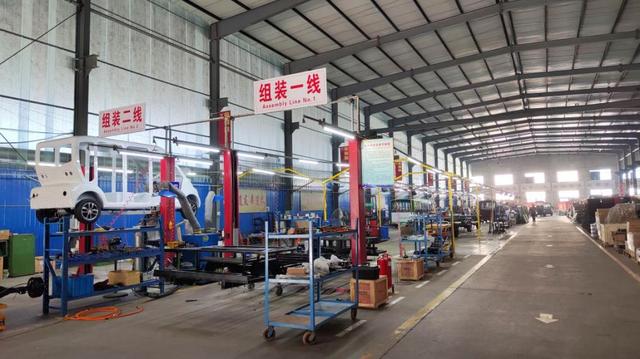
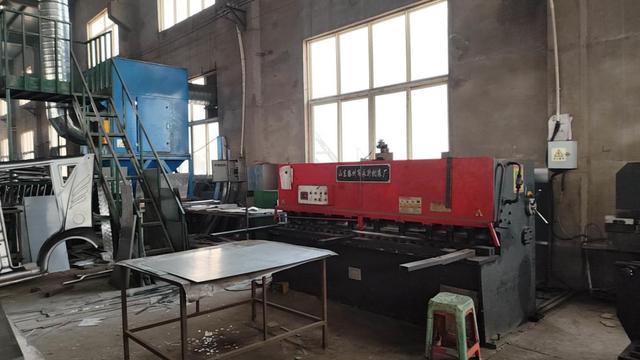
The manufacturing process at Ningbo GLHF Golf utilizes robotic automation, advanced material engineering, and integrated vertical supply loops to guarantee structural consistency.
Carts utilize computer-controlled robotic welding stations for the main chassis assembly. This eliminates structural variability, ensures consistent penetration of structural steel or aluminum, and produces frames capable of enduring continuous vibration over uneven terrains.
Every frame undergoes a multi-stage chemical wash followed by electrophoretic deposition (EPD). This cathodic priming coats internal metal cavities, providing rust and corrosion protection crucial for coastal resorts and high-humidity tropical golf courses.
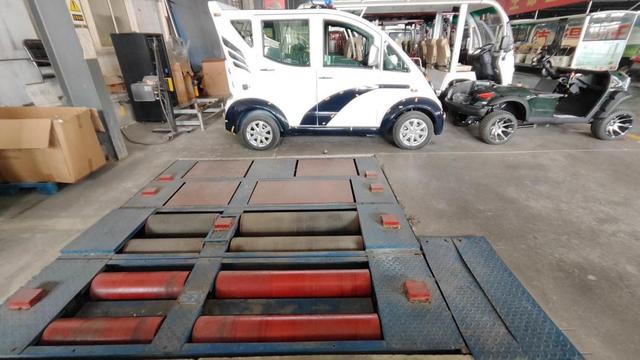
Battery management systems are integrated directly with the vehicle's controller. Each lithium pack is subjected to thermal cycling and high-current load testing before installation, ensuring real-time cells diagnostics, over-charge protection, and optimal battery balance.
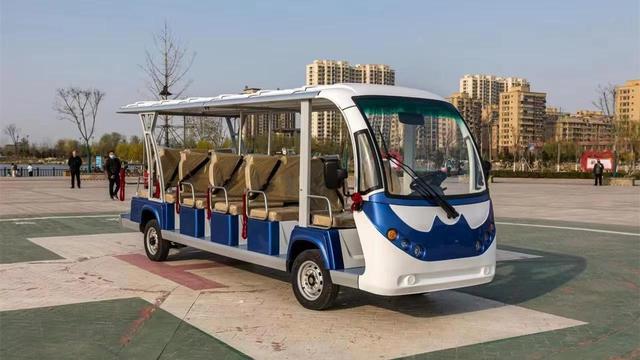
Hotels & Resorts: Quiet, multi-passenger operations ensuring zero noise pollution for guests.
Industrial Plants: Heavy load flatbeds for tooling, raw materials, and maintenance gear transport.
Public Works: Zero-emission municipal maintenance vehicles, street-cleaning accessories, and park patrol units.
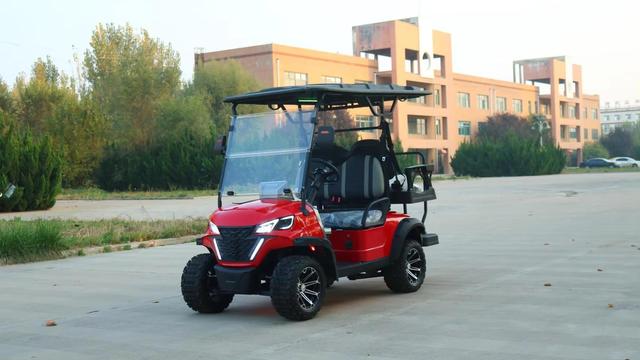
Off-Road Hunting: Camouflage configurations with high-clearance lifted suspensions and high-torque motors.
Standard golf carts have evolved beyond recreational toys into crucial utility tools. For instance, in the hospitality sector, a quiet drivetrain is essential. High-end resorts deploy fleets of 4-seater and 6-seater electric buggies to ferry guests and luggage silently without disrupting the tranquil environment. In heavy industries, such as aircraft maintenance yards and chemical manufacturing facilities, heavy-load flatbed utility carts transport expensive tools and components, replacing heavy, polluting diesel trucks inside enclosed hangars.
In municipalities and urban residential areas, street-legal Low-Speed Vehicles (LSVs) are deployed for waste management, security patrols, and park maintenance. Powered by 72V lithium drivetrains, these vehicles offer the necessary torque and range for continuous daily shifts, returning to central charging stations only at night.
For rugged environments, specialized lifted chassis configurations with deep-tread off-road tires are used. These carts feature independent front suspensions and high-torque AC motors (e.g., 5kW or 7.5kW) to traverse muddy trails, sandy shores, and agricultural terrain with ease.
Building high-performance, eco-friendly electric vehicles for modern golf, leisure, and industrial fleets worldwide.
Ningbo GLHF Golf Co., Ltd. is a professional manufacturer specializing in electric golf carts and golf course mobility solutions. The company focuses on the design, development, and production of lithium and lead-acid battery-powered golf vehicles, providing reliable transportation solutions for golf courses, resorts, residential communities, hotels, and commercial facilities worldwide.
Since its establishment, GLHF Golf has built a strong foundation in electric mobility engineering and golf industry applications. In its early stage, the company concentrated on assembling basic lead-acid battery golf carts for domestic markets, gradually gaining experience in vehicle structure optimization and battery management systems. As demand for cleaner and more efficient energy solutions increased, the company entered a rapid development phase, introducing lithium battery technologies and upgrading its product line to meet international standards.
Over the years, GLHF Golf expanded its manufacturing capabilities with advanced production lines, precision assembly workshops, and strict quality control systems. The company continuously improved core technologies such as electric drivetrain efficiency, battery endurance, and vehicle safety performance. At the same time, it developed a diversified product portfolio covering passenger carts, utility carts, and customized fleet solutions for large-scale golf course operations.
Today, Ningbo GLHF Golf Co., Ltd. serves global clients with a strong commitment to innovation, durability, and energy efficiency. With ongoing investment in smart mobility systems and sustainable transportation technologies, the company aims to become a leading international supplier of electric golf cart solutions, delivering high-performance, eco-friendly vehicles for modern golf and leisure industries.
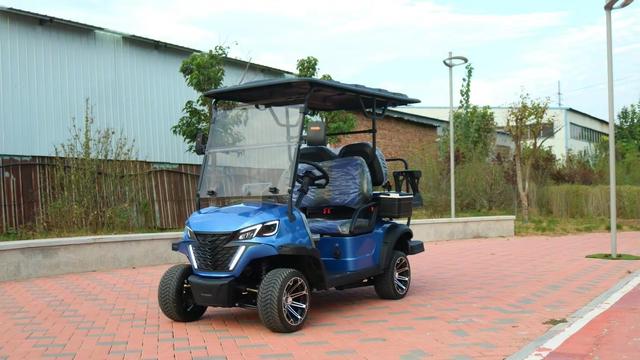
Get professional answers to technical, logistics, and design customization questions about our electric golf carts.
Review our specialized configurations, including off-road lifted options, cargo utility beds, and customizable multi-passenger models.
 GLHF Golf