High-performance engineering designed for severe operations and zero-emission transit.
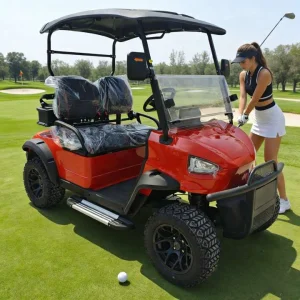
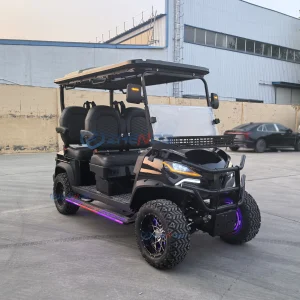
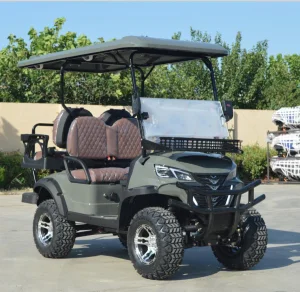
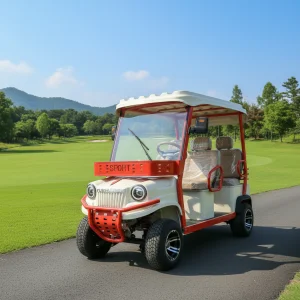
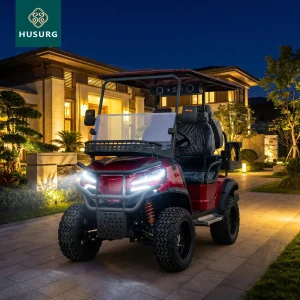
Decoding market dynamics, regulatory compliance (DOT, LSV, CE), and fleet electrification ROI.
The industrial and commercial landscape is undergoing a systemic transition toward sustainable electrification. In the past, gas-powered utility carts dominated campuses, construction zones, airports, and luxury resorts. However, structural decarbonization objectives, strict emission parameters within enclosed facilities, and fluctuating fuel prices have propelled the Low-Speed Electric Vehicle (LSEV) and Electric Utility Vehicle (EUV) industries to unprecedented heights.
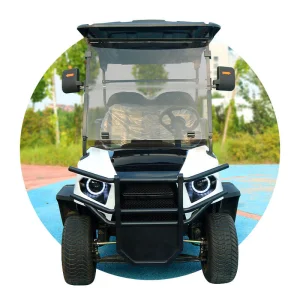
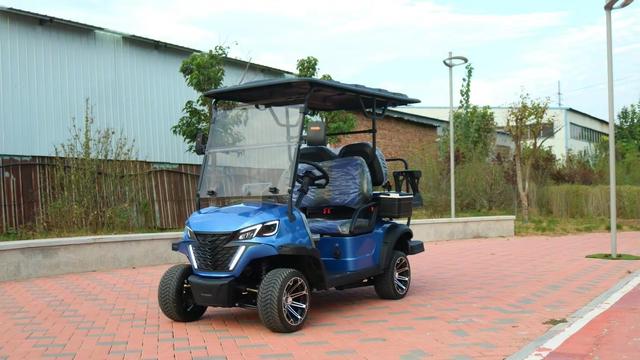
Today's utility vehicles are no longer simple adaptations of recreational golf carts. They are highly specialized engineering platforms optimized for heavy payload logistics, off-road terrain traversal, and constant multi-shift operation. In the tourism and municipal maintenance sectors, they offer a low-noise, zero-emission footprint that integrates seamlessly into delicate eco-systems like national parks, hotels, and historic urban centers.
From an operating standpoint, fleet logistics managers report an estimated 60% reduction in maintenance budgets and 80% savings on operational fuel expenditures when shifting from internal combustion fleets to advanced modular lithium (LiFePO4) systems. Incorporating localized regulatory certifications, such as DOT (Department of Transportation) road safety, CE marks, and Low-Speed Vehicle (LSV) classifications, allows these platforms to navigate both public right-of-ways and private master-planned developments with ease.
Analyzing state-of-the-art battery chemistries, high-torque drivetrains, and IoT fleet telematics.
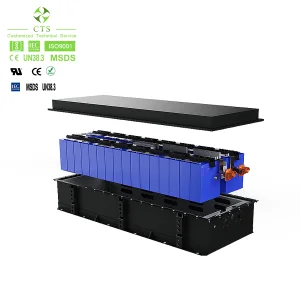
Transitioning from lead-acid legacy systems to 24V, 48V, and 72V Lithium Iron Phosphate (LiFePO4) storage chemistry. Active BMS balances cells dynamically, extending life cycles to 3,500+ charges while providing deeper discharge depth without degradation.
Brushless PMSM (Permanent Magnet Synchronous) and AC Induction motors utilizing heavy-duty controllers like the Curtis controller. Delivering optimal low-end torque profiles to master steep, sandy, muddy, or mountainous slopes without losing power.
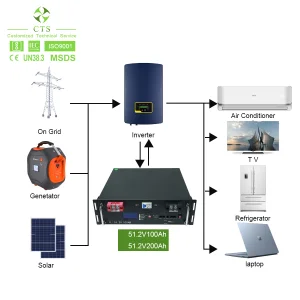
Rigid, high-efficiency monocrystalline solar panels are integrated directly into the custom canopy structure. This design enables continuous trickle charging during idle periods, extending battery range by up to 25% under optimal sunlight exposure.
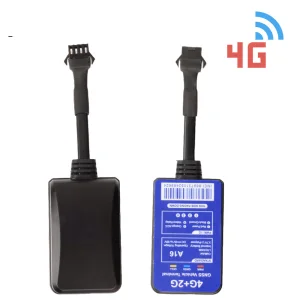
Intelligent 4G connectivity modules providing real-time fleet localization, remote battery diagnostics, geofencing parameters, and anti-tamper security features. Helps logistics managers track location, state of charge (SoC), and speed limits remotely.
Reinforced hot-dip galvanized steel chassis or aerospace-grade aluminum frames provide absolute resistance to rust and deformation. This ensures structural integrity even when loaded to maximum cargo capacity in harsh, humid seaside environments.
Four-wheel hydraulic disc braking systems replace mechanical drums. Engineered for steep-slope cargo applications where instant stopping power and mechanical parking lockouts are non-negotiable safety criteria.
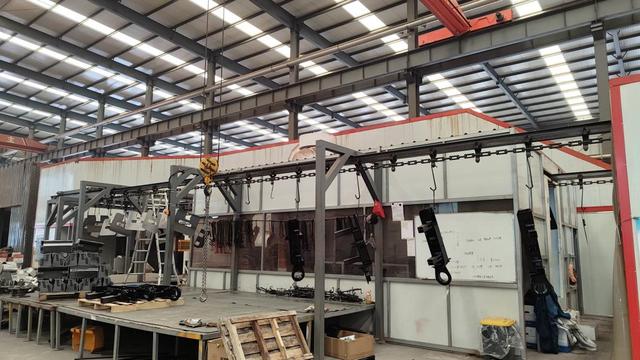
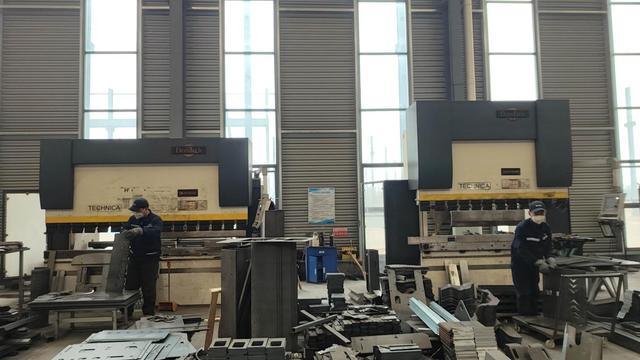
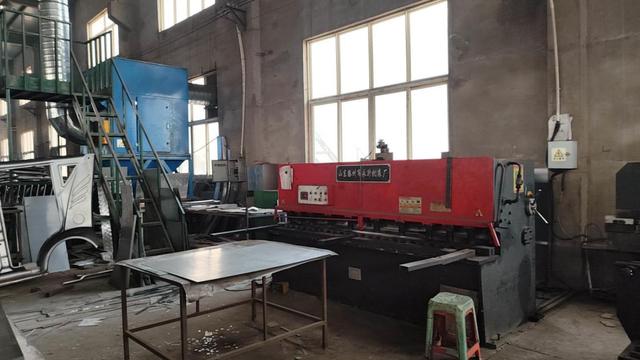
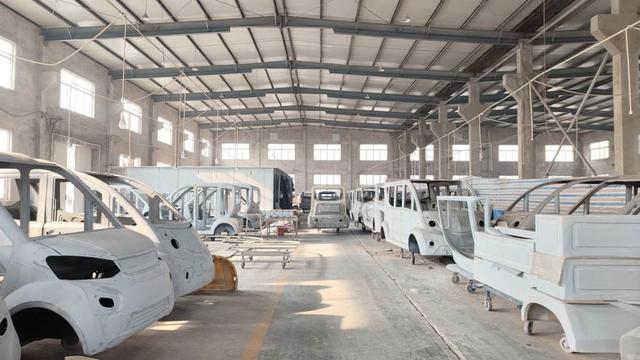
Ningbo GLHF Golf Co., Ltd. is a professional manufacturer specializing in electric golf carts and golf course mobility solutions. The company focuses on the design, development, and production of lithium and lead-acid battery-powered golf vehicles, providing reliable transportation solutions for golf courses, resorts, residential communities, hotels, and commercial facilities worldwide.
Since its establishment, GLHF Golf has built a strong foundation in electric mobility engineering and golf industry applications. In its early stage, the company concentrated on assembling basic lead-acid battery golf carts for domestic markets, gradually gaining experience in vehicle structure optimization and battery management systems. As demand for cleaner and more efficient energy solutions increased, the company entered a rapid development phase, introducing lithium battery technologies and upgrading its product line to meet international standards.
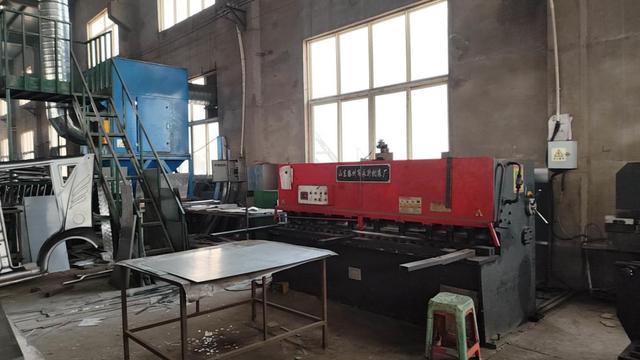
Over the years, GLHF Golf expanded its manufacturing capabilities with advanced production lines, precision assembly workshops, and strict quality control systems. The company continuously improved core technologies such as electric drivetrain efficiency, battery endurance, and vehicle safety performance. At the same time, it developed a diversified product portfolio covering passenger carts, utility carts, and customized fleet solutions for large-scale golf course operations.
Today, Ningbo GLHF Golf Co., Ltd. serves global clients with a strong commitment to innovation, durability, and energy efficiency. With ongoing investment in smart mobility systems and sustainable transportation technologies, the company aims to become a leading international supplier of electric golf cart solutions, delivering high-performance, eco-friendly vehicles for modern golf and leisure industries.
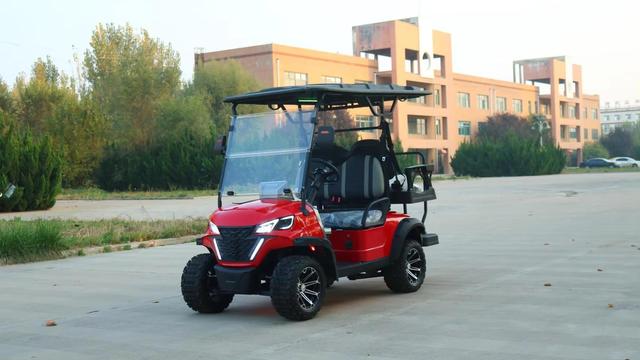
Customized configurations optimized for specific commercial environments and logistics demands.
| Operating Sector | Core Application | Critical Features Required | Recommended Model Parameters |
|---|---|---|---|
| Luxury Hospitality & Resorts | VIP guest pick-up, luggage transport, scenic tours. | Whisper-quiet operation, high aesthetic design, leather seating, Curtis electronics. | 48V/72V Lithium, 4-8 Seater configuration, integrated GPS & audio. |
| Golf Courses & Sports Clubs | Fairway rental fleet, marshal support, greenkeeping duties. | Low-pressure grass tires, dynamic torque control, course management IoT tracking. | 2-Seater with rear golf bag carrier, 36V or 48V, heavy-duty Curtis controller. |
| Industrial Camps & Warehouses | Parts transport, security patrols, facility maintenance. | Durable cargo flatbeds, heavy payload capacity, high frame clearance, safety beacons. | Heavy-duty 4x4 utility setup, steel frame, rear hydraulic dumping bed. |
| Municipal Parks & Estates | Public garden maintenance, municipal waste handling, local policing. | Zero direct emissions, street-legal compliance (DOT/CE), long runtime, solar trickle. | Solar-assisted battery system, robust steel frame utility cart with custom boxes. |
What procurement officers, resort engineers, and facility managers prioritize when evaluating manufacturers.
Procurement teams evaluate LSEV solutions based on lifecycle cost curves. While lead-acid options have lower upfront acquisition costs, they suffer from short lifespan profiles (2-3 years) and high maintenance overheads. Modern LiFePO4 batteries last over 8-10 years, charge faster, and eliminate the labor expenses of distilled water maintenance, resulting in a lower overall TCO.
Utility carts require steady performance under varying loads. Standard golf cart motors often overheat when climbing steep inclines with heavy payloads. For reliable operation, specify a minimum of 4kW to 5kW AC brushless motors coupled with programmable controllers that prevent runaway speeds on steep descents.
Carts used in coastal resorts, sandy terrains, and industrial plants face severe humidity and chemical exposure. Selecting structural frames with hot-dip galvanizing, electrocoating (e-coat), or marine-grade aluminum is essential to prevent structural rust and extend vehicle life.
Managing large rental fleets at resorts or golf courses requires remote visibility. Fleet operators need robust, anti-jamming 4G GPS tracking systems to monitor battery state-of-health, enforce geofenced speed zones, and remotely disable vehicles during off-hours to prevent unauthorized use.
Answering the most critical engineering and logistical questions regarding electric utility vehicles.
Solar power integration utilizes custom roof-mounted PV panels to provide continuous trickle-charging. While it cannot replace standard grid recharging, it can extend daily operating range by 15-25% and reduce total grid energy consumption, which is ideal for outdoor park maintenance and resort shuttle fleets.
Low-Speed Vehicles (LSVs) are certified under DOT standards to operate on public roads with speed limits of 35 mph or lower. They require mandatory safety equipment, including three-point seat belts, headlights, brake lights, turn signals, windshields, backup cameras, and registered VINs, which are not typically found on standard non-road golf carts.
LiFePO4 (Lithium Iron Phosphate) offers major advantages: a much longer cycle life (3000+ deep cycles vs. 500 for lead-acid), zero maintenance, a lightweight design that reduces overall vehicle weight, faster charging times, and flat discharge curves that maintain constant motor power even at low charge states.
Curtis Controllers are industry standards for electric vehicle drive units. They offer precise motor control, programmable speed parameters, advanced regenerative braking algorithms, thermal protection, and built-in diagnostic systems, ensuring reliable drivetrain performance in demanding applications.
These advanced GPS trackers transmit location and usage metrics via 4G, with signal backup protocols to prevent interference. They help operators monitor vehicle locations in real time, enforce geofenced boundaries, optimize fleet distribution, and secure vehicles against theft or unauthorized use.
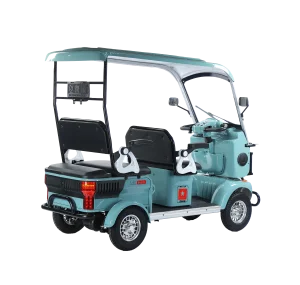
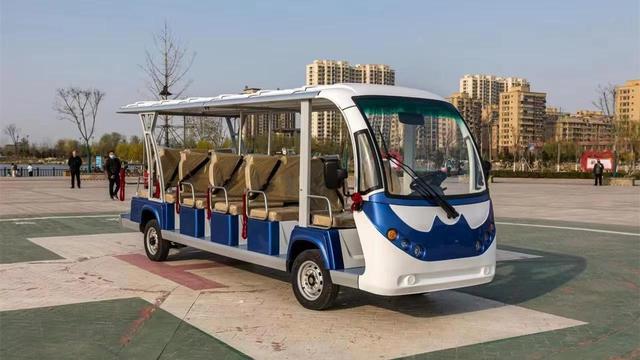
Modular power systems and high-capacity passenger transportation solutions.
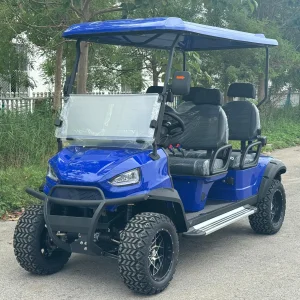
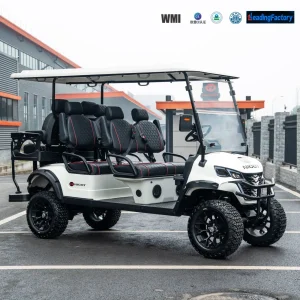
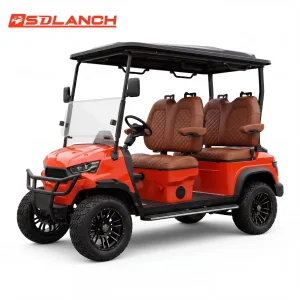
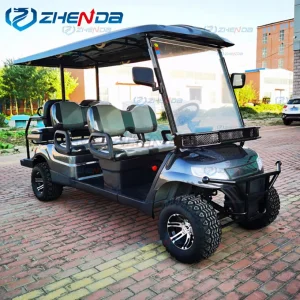
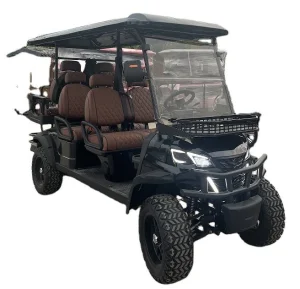
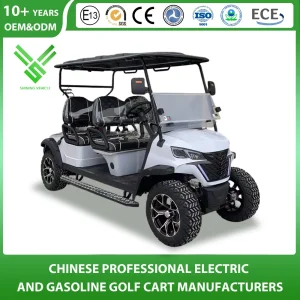
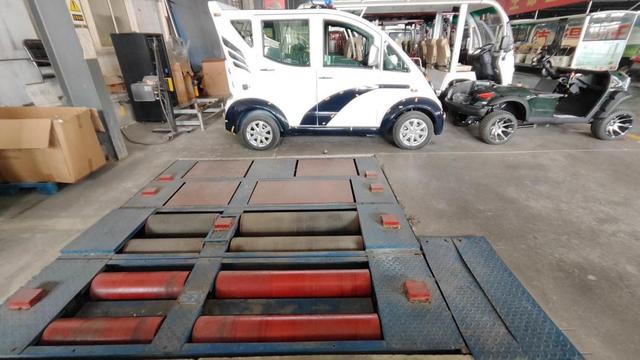
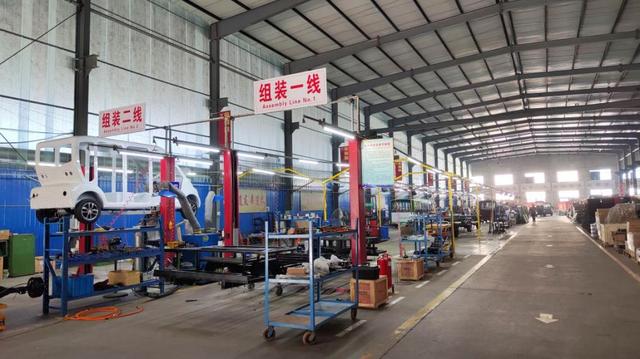
A glimpse inside our state-of-the-art production plant, design processes, and strict quality control operations.
 GLHF Golf