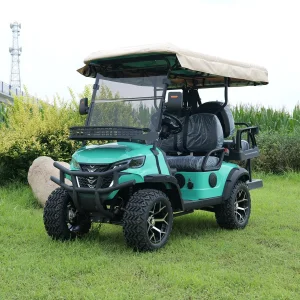
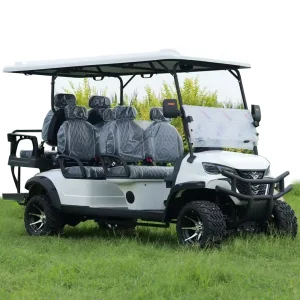
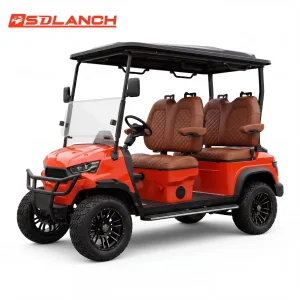
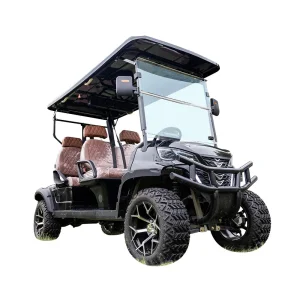
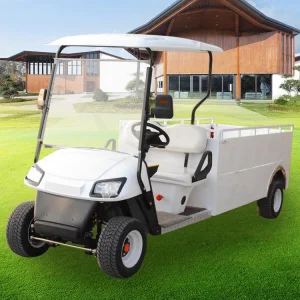
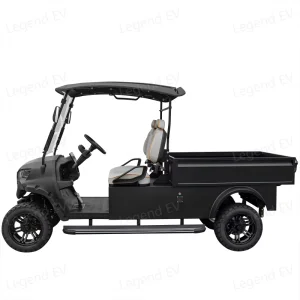
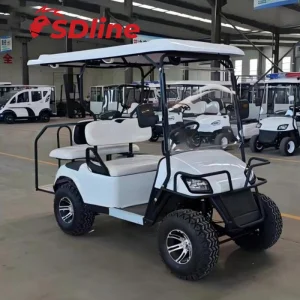
Deploy high-performance, heavy-payload utility vehicles designed for Detroit's advanced manufacturing campuses, logistics hubs, and airport maintenance environments.
As the historic heart of global automotive innovation, Detroit, Michigan, is leading a profound transition toward sustainable electric logistics. Within gigafactories, parts distribution hubs, airport structures (like the Detroit Metropolitan Wayne County Airport), and municipal complexes, operations are undergoing major electrification. The integration of cargo utility golf carts—officially classified as Low-Speed Vehicles (LSVs) or electric utility vehicles (UTVs)—has transitioned from a convenient option to an operational necessity.
Traditional internal combustion engine (ICE) tugs are progressively prohibited indoors due to strict OSHA ventilation compliance and corporate ESG decarbonization directives. Large industrial complexes require vehicles capable of carrying heavy tooling, sub-assemblies, and support components across sprawling factories without exhaust emissions. Consequently, advanced logistics and facilities departments in Detroit require durable cargo platforms with customized load boxes, integrated AC powertrains, and resilient battery chemistry designed to withstand the cold winters of the Great Lakes region.
Industrial performance is highly dependent on environment-specific configurations. The generic utility cart design is insufficient for Detroit's heavy-duty demands. Here is how our cargo vehicles are customized for Detroit's applications:
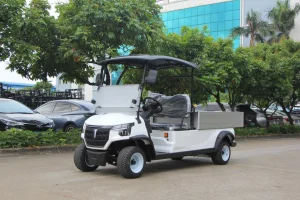
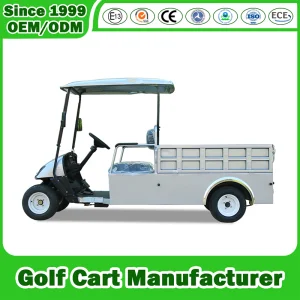
Narrow aisle electric utility trucks fitted with non-marking tires and localized fixed cargo beds, enabling the transit of spare engine parts, robotic tooling, and maintenance gear through assembly floors.
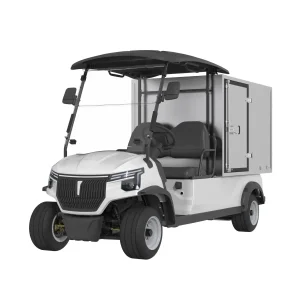
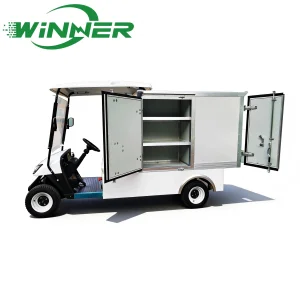
Aluminum cargo boxes with water-resistant sealing and locking capabilities, carrying luggage, support kits, and technical instruments across runways and hangars in various weather conditions.
Street-legal passenger-and-cargo configurations (LSV standard) fitted with lights, mirrors, and safety glass, allowing municipal crews to travel between public works facilities and city parks.
The low-speed vehicle industry is transitioning from lead-acid legacy configurations to smart, connected electric ecosystems. Ningbo GLHF Golf Co., Ltd. continues to drive this technological shift by integrating several key advancements into our cargo vehicles:
Ningbo stands as a premier global hub for automotive component manufacturing, mechanical engineering, and battery assembly. Our geographical location in Ningbo grants direct access to the world’s largest deep-water seaport, Ningbo-Zhoushan Port. This proximity enables efficient delivery to global industrial centers, including the Detroit Metro region via the Saint Lawrence Seaway or high-speed intermodal rail networks from West Coast ports.
This supply chain structure provides significant cost efficiencies. By utilizing localized clusters for motor production, tire manufacturing, and structural casting, we offer premium quality vehicles at highly competitive price points. Standardizing parts across passenger and cargo lines ensures that replacement components are cost-effective and readily available, reducing lead times for our North American fleet operators.
Ningbo GLHF Golf Co., Ltd. is a professional manufacturer specializing in electric golf carts and golf course mobility solutions. The company focuses on the design, development, and production of lithium and lead-acid battery-powered golf vehicles, providing reliable transportation solutions for golf courses, resorts, residential communities, hotels, and commercial facilities worldwide.
Since its establishment, GLHF Golf has built a strong foundation in electric mobility engineering and golf industry applications. In its early stage, the company concentrated on assembling basic lead-acid battery golf carts for domestic markets, gradually gaining experience in vehicle structure optimization and battery management systems. As demand for cleaner and more efficient energy solutions increased, the company entered a rapid development phase, introducing lithium battery technologies and upgrading its product line to meet international standards.
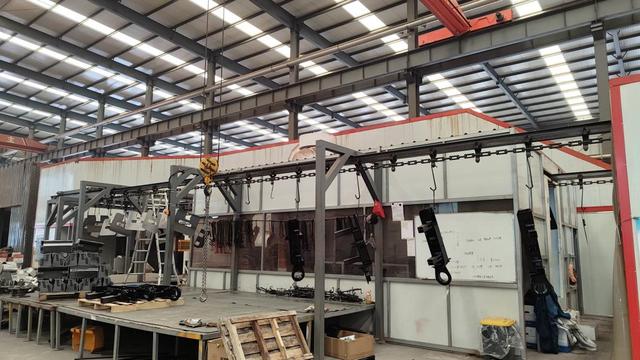
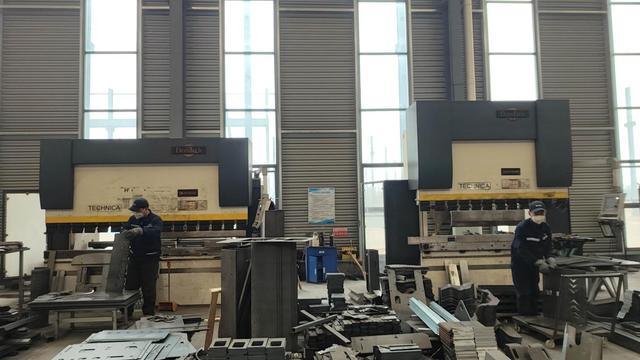
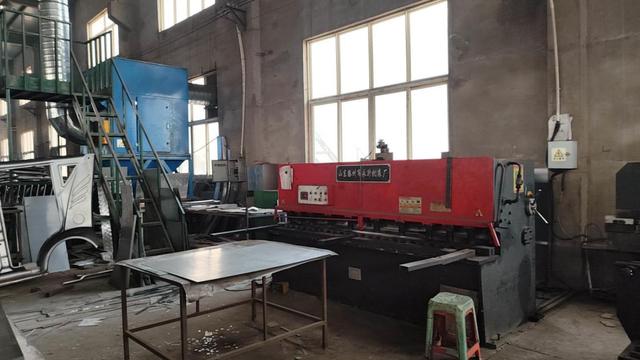
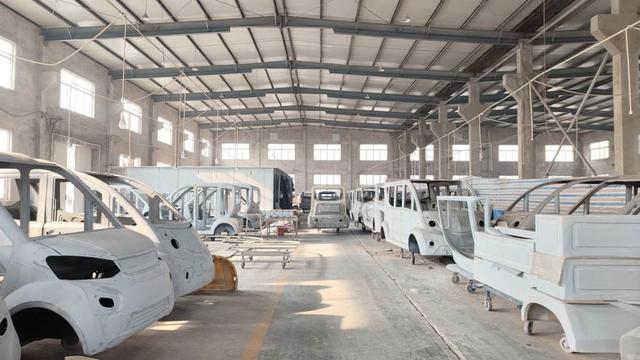
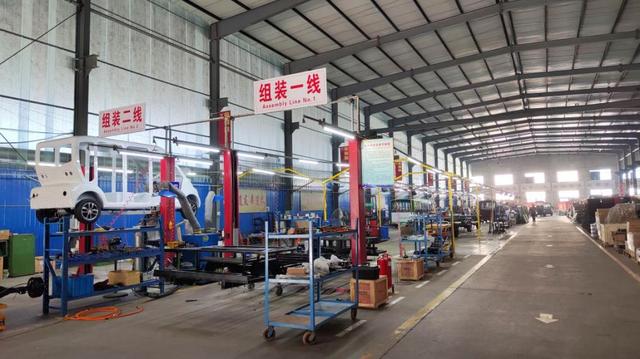
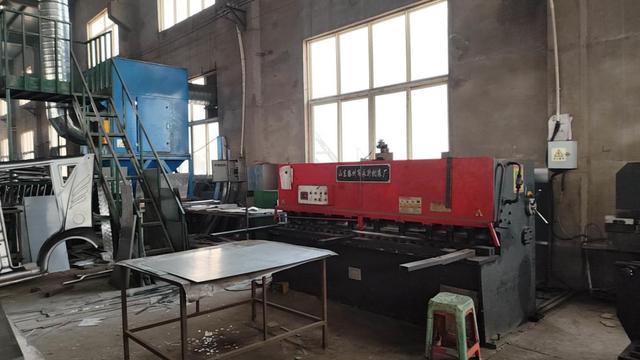
Over the years, GLHF Golf expanded its manufacturing capabilities with advanced production lines, precision assembly workshops, and strict quality control systems. The company continuously improved core technologies such as electric drivetrain efficiency, battery endurance, and vehicle safety performance. At the same time, it developed a diversified product portfolio covering passenger carts, utility carts, and customized fleet solutions for large-scale golf course operations.
Today, Ningbo GLHF Golf Co., Ltd. serves global clients with a strong commitment to innovation, durability, and energy efficiency. With ongoing investment in smart mobility systems and sustainable transportation technologies, the company aims to become a leading international supplier of electric golf cart solutions, delivering high-performance, eco-friendly vehicles for modern golf and leisure industries.
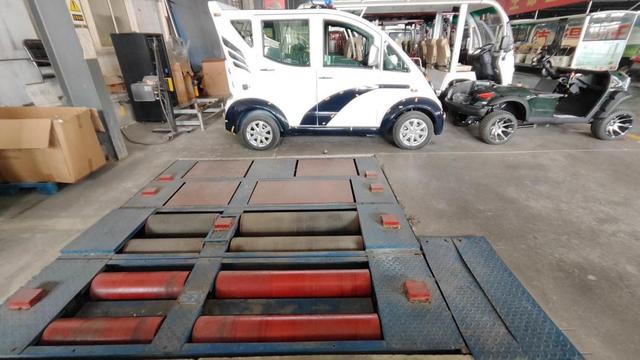
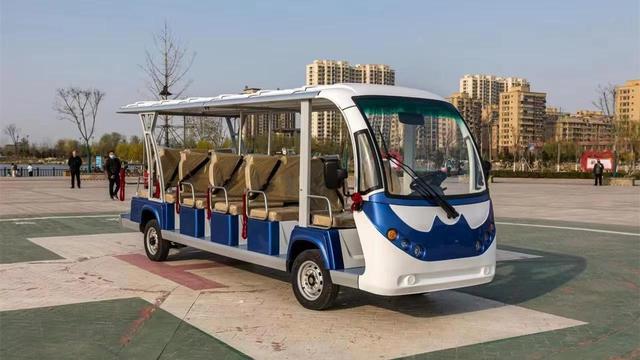
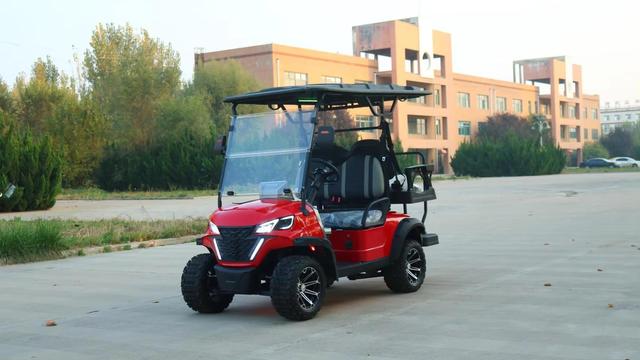
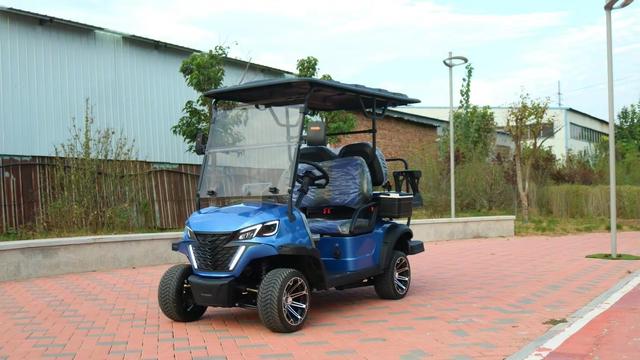
Operating low-speed utility vehicles on public roads or within commercial zones requires compliance with local standards. In Michigan, to register an LSV for public road use (under speed limits of 35 mph), the vehicles must comply with federal safety regulations (FMVSS 500) and feature specific safety equipment, including headlamps, turn signals, mirrors, seat belts, and wind-shielding materials.
Ningbo GLHF Golf Co., Ltd. manufactures LSV-compliant configurations equipped with certified safety glass, DOT-approved tires, three-point seat belts, and high-visibility LED lighting kits. For port entry, our electric drivetrains carry all necessary EPA and UL electrical certifications, simplifying customs clearance at US ports of entry. Furthermore, we support Detroit enterprise fleets by partnering with local maintenance networks to supply critical components, ensuring minimal downtime for your operations.
Get in touch with our engineering team for customized cargo bed layouts, battery chemistry optimization, and custom pricing options for Detroit fleet operations.
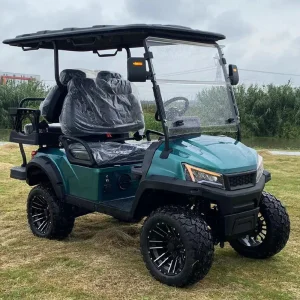
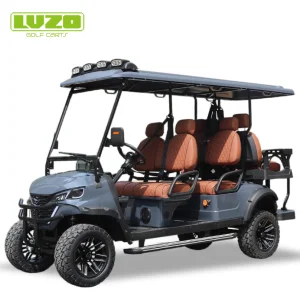
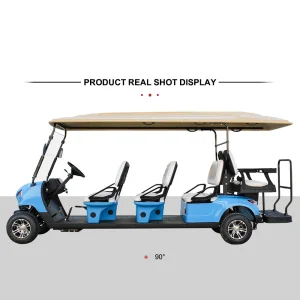
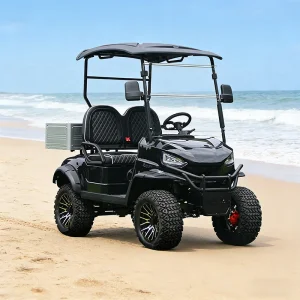
Send Inquiry NowSelect from custom configurations, off-road builds, high-payload mini-trucks, and multi-passenger utility variants designed to optimize your material handling operations.
Essential answers to technical, import, and compliance queries for procurement managers in the Midwest.
 GLHF Golf