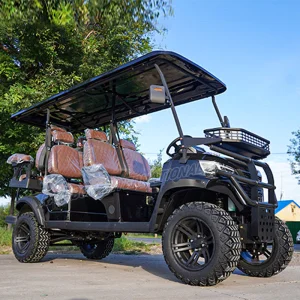
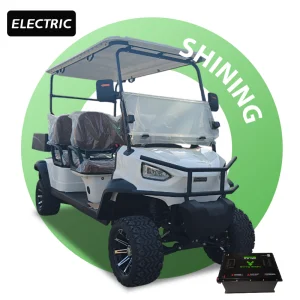
Explore our elite selection of low-speed vehicles optimized specifically for Pennsylvania highway regulations and local communities.
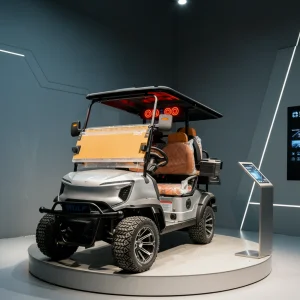

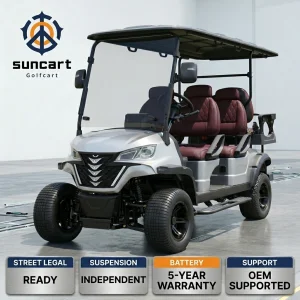
Engineering compliance for urban roads, public infrastructure, and private campuses.
In the Commonwealth of Pennsylvania, specifically within the city limits of Philadelphia and its surrounding counties (Montgomery, Delaware, Bucks, and Chester), the demand for low-speed vehicles (LSVs) is undergoing an unprecedented structural shift. Under Pennsylvania Department of Transportation (PennDOT) guidelines and Federal Motor Vehicle Safety Standards (FMVSS) Title 49, Section 571.500, street-legal electric golf carts must meet rigorous criteria to be registered and operated on public roads with a posted speed limit of 25 mph or less. These vehicles cannot simply be modified recreational units; they must be manufactured as dedicated LSV systems certified by the factory with a 17-digit Vehicle Identification Number (VIN).
Note on Philadelphia Urban Transit: The City of Philadelphia has set ambitious targets in its Greenworks plan to achieve net-zero carbon emissions. Fleet electrification is a key pillar of this initiative. Deploying high-efficiency LSVs on municipal, commercial, and residential networks direct from a factory level is a critical strategy to ease congestion and reduce urban greenhouse gases.
For an electric golf cart to be deemed street legal in the Philadelphia market, the importing enterprise or distributor must verify the presence of the following factory-installed components:
Engineered to handle long operational shifts and diverse terrains with advanced active-suspension systems.
Decarbonization, smart fleet logistics, and localized vehicle supply chains.
The global low-speed vehicle market size is projected to reach several billion dollars by 2030, driven by the expansion of zero-emission transit policies, aging suburban neighborhoods, and smart city infrastructure. Large B2B buyers—ranging from resort developers and municipal agencies to logistics managers and industrial complex operators—are pivoting away from standard gas-powered utility carts toward smart LSV systems. Key global procurement requirements focus on three core areas: lifecycle economy, battery cell grading, and fleet telematics.
1. Lithium Iron Phosphate (LiFePO4) Battery Superiority: B2B fleet procurers no longer accept conventional lead-acid setups due to maintenance costs and limited lifespans. Modern fleets demand Tier-1 LiFePO4 cells with a minimum of 3,500 charging cycles, integrated CAN-bus battery management systems (BMS), and fast-charging capabilities that integrate seamlessly with 110V/220V municipal power outputs.
2. Smart Telematics and Fleet Management: Modern urban campuses, such as the University of Pennsylvania or Drexel University, require unified system controls. Fleet managers request onboard GPS tracking, remote diagnostics, geofencing parameters, and direct-to-cloud maintenance logging to minimize downtown and coordinate logistical deployments.
3. Anti-Corrosive Architecture for Northern Winters: Philadelphia winters present a high-salinity road environment. B2B buyers require galvanized steel or hot-dip aluminum frames alongside marine-grade electrical wiring to prevent frame failures and wiring harness short circuits.
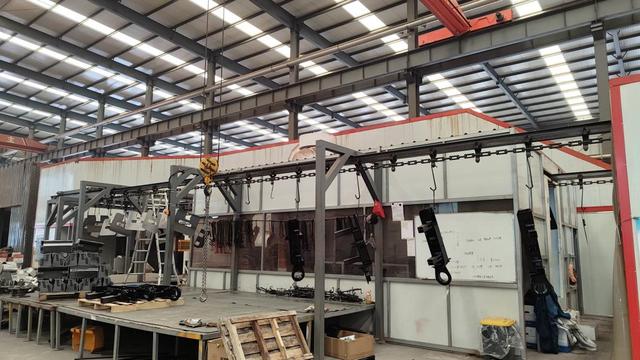
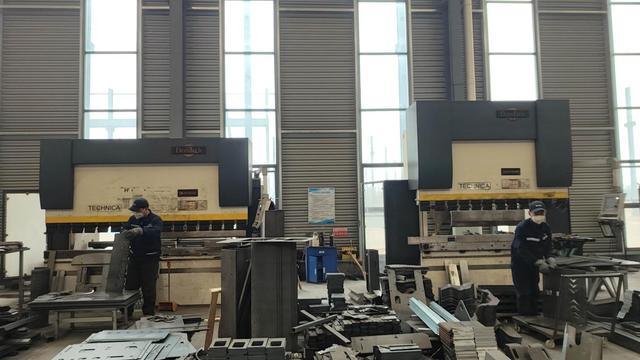
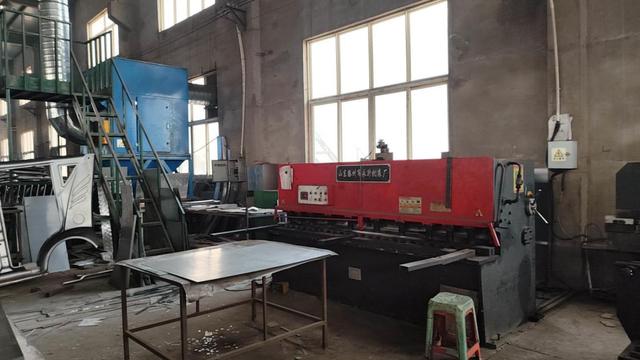
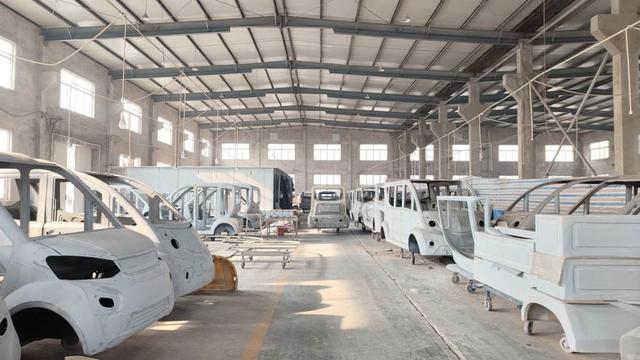
Factory 4.0 production capabilities, precision quality control, and international logistics.
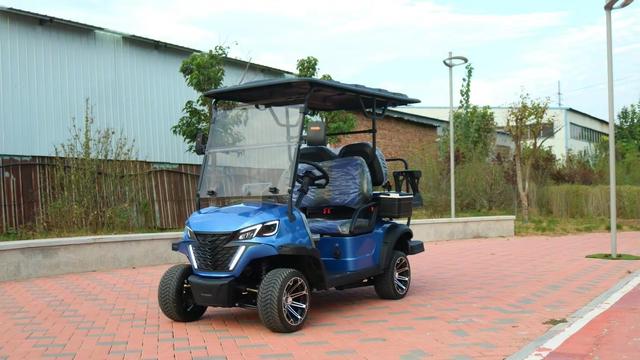
Ningbo GLHF Golf Co., Ltd. is a professional manufacturer specializing in electric golf carts and golf course mobility solutions. The company focuses on the design, development, and production of lithium and lead-acid battery-powered golf vehicles, providing reliable transportation solutions for golf courses, resorts, residential communities, hotels, and commercial facilities worldwide.
Since its establishment, GLHF Golf has built a strong foundation in electric mobility engineering and golf industry applications. In its early stage, the company concentrated on assembling basic lead-acid battery golf carts for domestic markets, gradually gaining experience in vehicle structure optimization and battery management systems. As demand for cleaner and more efficient energy solutions increased, the company entered a rapid development phase, introducing lithium battery technologies and upgrading its product line to meet international standards.
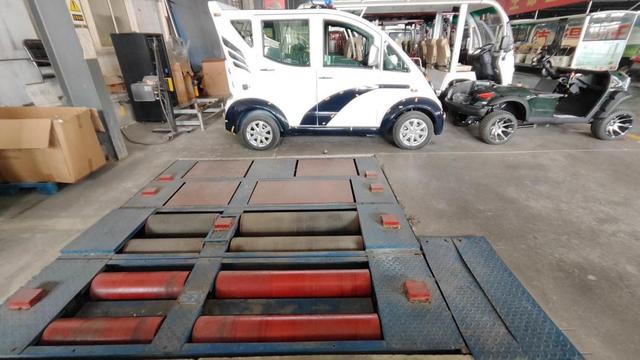
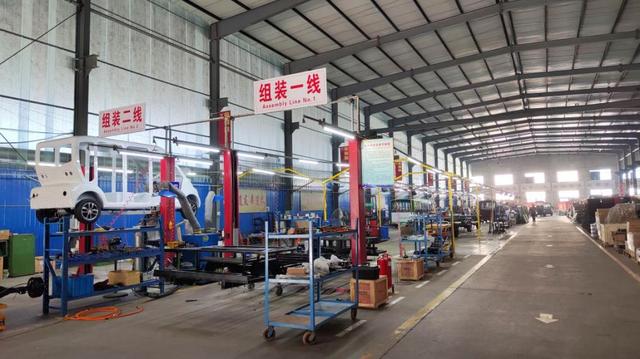
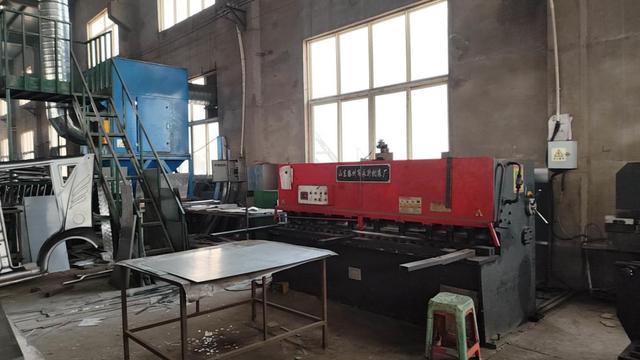
Over the years, GLHF Golf expanded its manufacturing capabilities with advanced production lines, precision assembly workshops, and strict quality control systems. The company continuously improved core technologies such as electric drivetrain efficiency, battery endurance, and vehicle safety performance. At the same time, it developed a diversified product portfolio covering passenger carts, utility carts, and customized fleet solutions for large-scale golf course operations.
Today, Ningbo GLHF Golf Co., Ltd. serves global clients with a strong commitment to innovation, durability, and energy efficiency. With ongoing investment in smart mobility systems and sustainable transportation technologies, the company aims to become a leading international supplier of electric golf cart solutions, delivering high-performance, eco-friendly vehicles for modern golf and leisure industries.
Solving unique urban, suburban, and industrial transportation challenges across Greater Philadelphia.
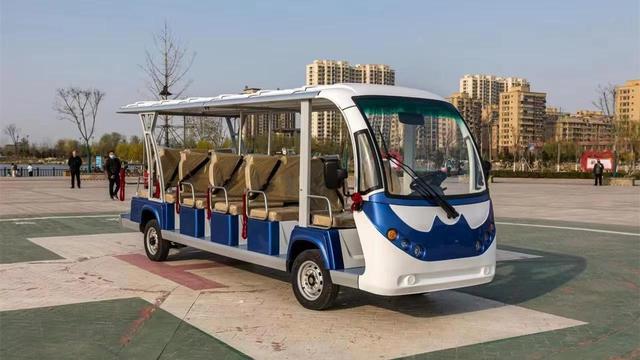
Perfect for University City (UPenn, Drexel) and institutional settings. Silent operation and zero emissions allow security, maintenance, and administrative staff to patrol facilities seamlessly during class transitions.
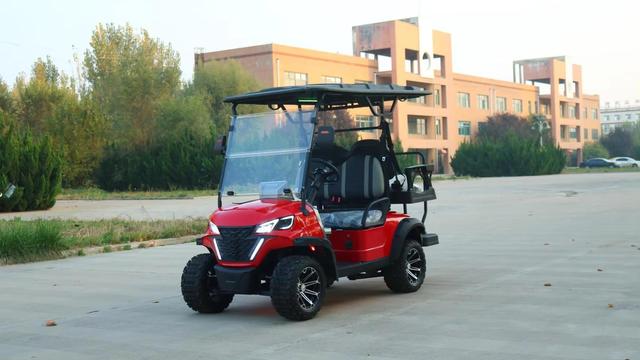
Popular in the Philadelphia Main Line, Chestnut Hill, and master-planned golf residential zones. Our vehicles serve as eco-friendly secondary options for daily errands, trips to transit stations, and social outings.
Provides optimal micro-logistics at the Philadelphia Navy Yard and seaport storage complexes. Configured with high-torque electric transaxles, they handle heavy parts distribution and technician transport efficiently.
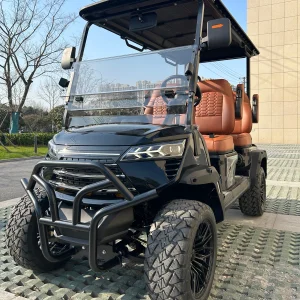
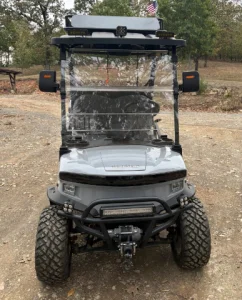
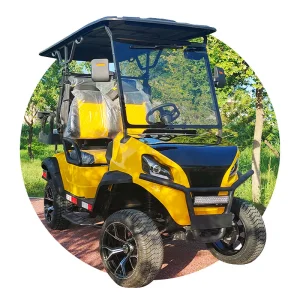
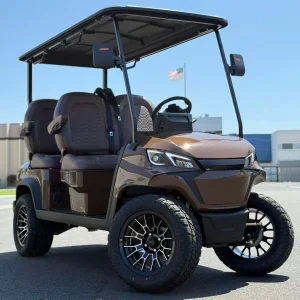
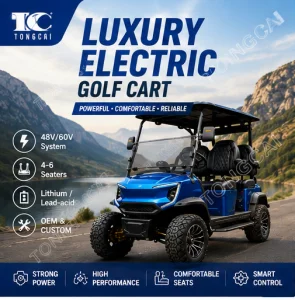
Browse our complete range of certified electric golf carts configured for residential, resort, and commercial distribution.
Crucial procurement and compliance answers for buyers, dealers, and fleet managers in the Philadelphia market.
 GLHF Golf