Explore our high-performance fleet components, charging systems, and solar mounting structures designed for commercial and industrial operations.
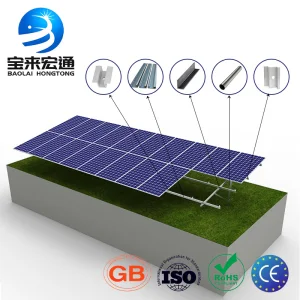
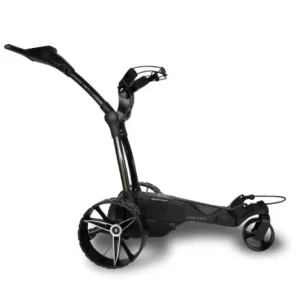
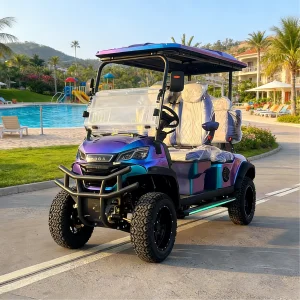
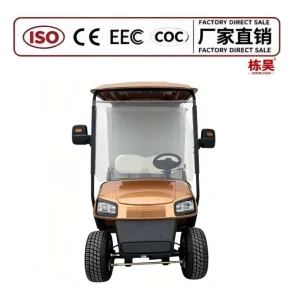
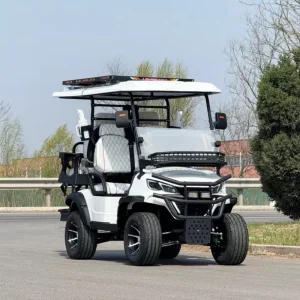
In the contemporary global shift toward green energy, commercial operations—ranging from luxury resorts and expansive golf courses to industrial complexes and closed-community transportation networks—are facing unprecedented regulatory and economic pressures. The transition from internal combustion engine (ICE) utility vehicles to electric mobility is only the first phase. The primary challenge now lies in how these fleets are powered. Traditional grid charging relies heavily on municipal grids that are frequently powered by fossil fuels, diluting the environmental benefits of transitioning to electric fleets.
Furthermore, utility operators suffer from climbing demand-charge tariffs during peak hours. This has catalyzed a massive surge in demand for decentralized, off-grid energy systems, specifically custom solar charging solutions. Integrating photovoltaic (PV) arrays directly onto golf cart canopies and utility vehicle structures has transformed these transport units into self-sustaining micro-generators. By bypassing the local grid, commercial fleet managers are realizing an immediate reduction in operational expenditure (OpEx) while reinforcing their commitment to corporate ESG (Environmental, Social, and Governance) parameters.
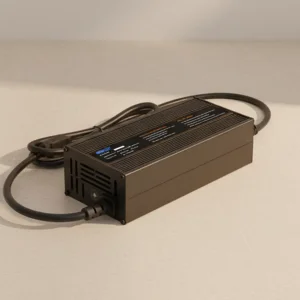
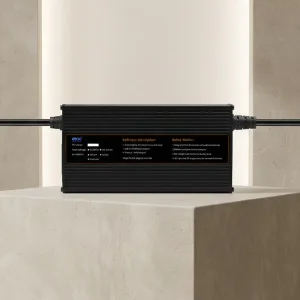
Achieving high-efficiency energy harvesting on a moving or partially shaded golf cart requires sophisticated power electronics. Standard Pulse Width Modulation (PWM) controllers are insufficient for mobile solar applications due to their inability to adapt to fluctuating solar irradiance. Top-tier manufacturers utilize Maximum Power Point Tracking (MPPT) solar charge controllers specifically optimized for low-voltage, high-current vehicle batteries.
These systems operate on dynamic algorithms that scan the PV module's output curve up to 100 times per second, ensuring the charger harvests the maximum available wattage regardless of partial shading from trees or course structures. Our engineering pathways prioritize:
How our engineering divisions optimize solar charging mechanics to maximize operational runtime and extend battery lifecycles.
Bespoke physical and electrical integration into existing cart architectures, ensuring optimized weight distribution and sleek, wind-resistant aerodynamics.
Built-in protections against over-voltage, short-circuits, and reverse polarity, dynamically linked with the vehicle's onboard Battery Management System (BMS).
By continuously trickle-charging during daylight operation, our solar platforms reduce deep-discharge cycles, doubling overall battery service life.
MPPT Conversion Efficiency
Average Battery Lifespan
Daily Range Extension
Grid Emissions during Solar Mode
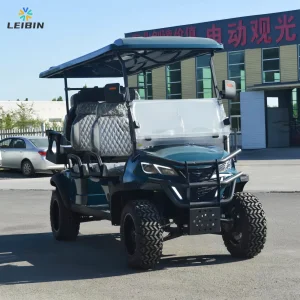
Ningbo GLHF Golf Co., Ltd. is a professional manufacturer specializing in electric golf carts and golf course mobility solutions. The company focuses on the design, development, and production of lithium and lead-acid battery-powered golf vehicles, providing reliable transportation solutions for golf courses, resorts, residential communities, hotels, and commercial facilities worldwide.
Since its establishment, GLHF Golf has built a strong foundation in electric mobility engineering and golf industry applications. In its early stage, the company concentrated on assembling basic lead-acid battery golf carts for domestic markets, gradually gaining experience in vehicle structure optimization and battery management systems. As demand for cleaner and more efficient energy solutions increased, the company entered a rapid development phase, introducing lithium battery technologies and upgrading its product line to meet international standards.
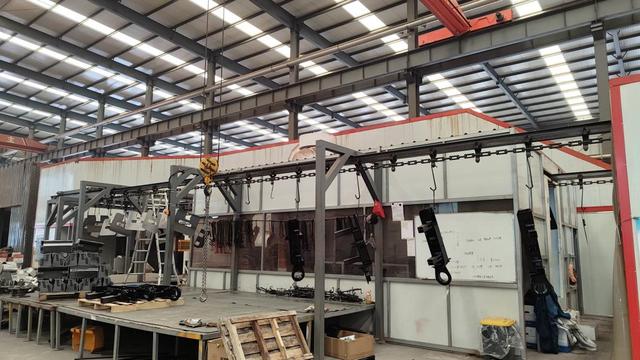
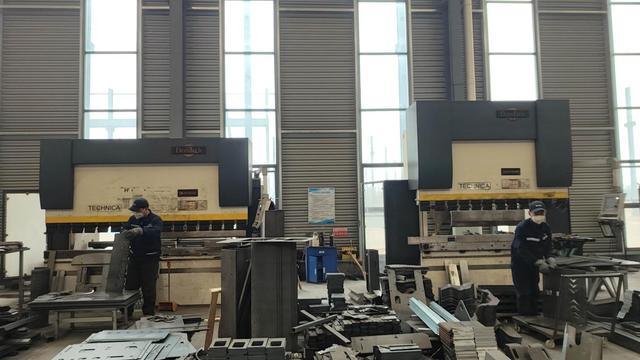
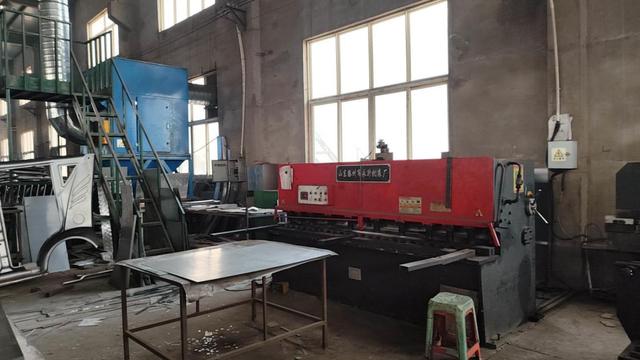
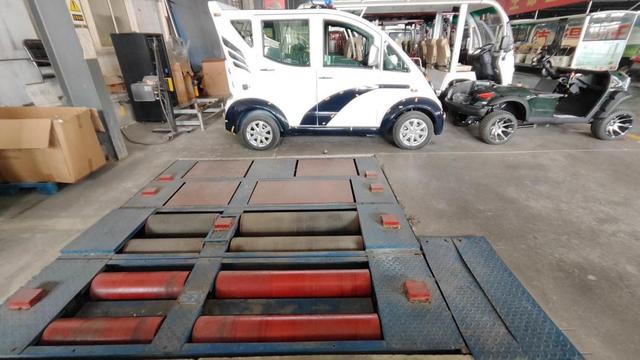
Over the years, GLHF Golf expanded its manufacturing capabilities with advanced production lines, precision assembly workshops, and strict quality control systems. The company continuously improved core technologies such as electric drivetrain efficiency, battery endurance, and vehicle safety performance. At the same time, it developed a diversified product portfolio covering passenger carts, utility carts, and customized fleet solutions for large-scale golf course operations.
Today, Ningbo GLHF Golf Co., Ltd. serves global clients with a strong commitment to innovation, durability, and energy efficiency. With ongoing investment in smart mobility systems and sustainable transportation technologies, the company aims to become a leading international supplier of electric golf cart solutions, delivering high-performance, eco-friendly vehicles for modern golf and leisure industries.

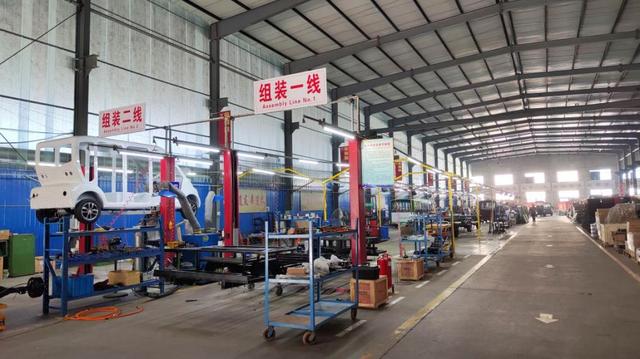
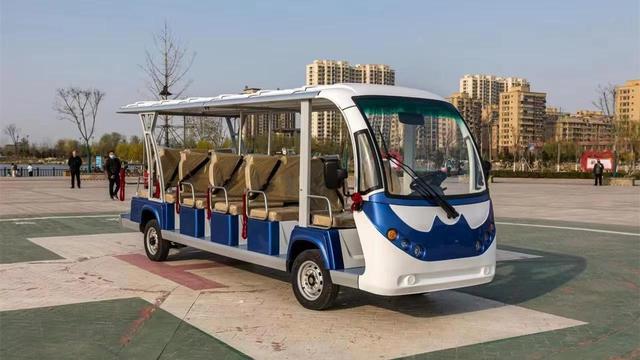

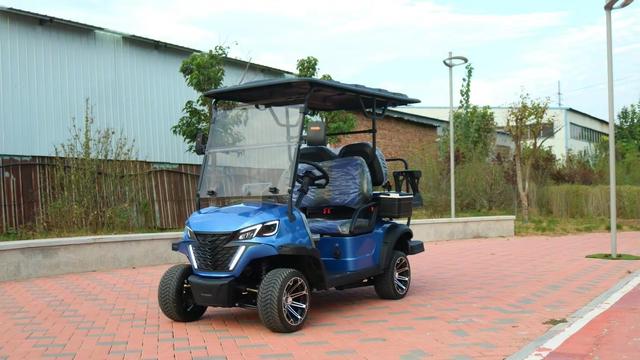
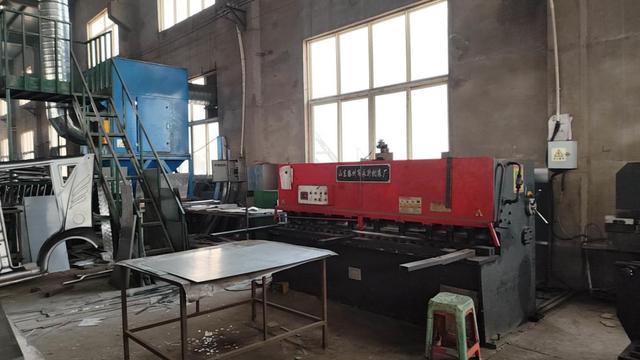
Solar charging infrastructure is not a one-size-fits-all solution. Depending on geographical location, local weather patterns, and specific terrain characteristics, solar chargers must adapt to maintain maximum efficiency and product longevity. Below are some primary localized application scenarios analyzed by our R&D team:
Large-scale commercial fleet operators require unified, systemic platforms rather than individual isolated components. When managing hundreds of golf carts or industrial utility vehicles, operators need remote monitoring, telematics, and automated power management.
Our macro-industry solutions combine vehicle-mounted solar panels, custom charge controllers, and IoT (Internet of Things) communication modules. This system enables real-time tracking of parameters such as battery state-of-charge (SoC), instantaneous solar power generation, geographical position, and vehicle maintenance alerts via a centralized cloud dashboard. By using predictive maintenance data, fleet operators can optimize vehicle rotation schedules, ensuring carts operating in shaded zones are periodically moved to high-insolation charging lanes, minimizing downtime and maximizing operational utility.
Expert insights on integrating customized photovoltaic systems into electric utility vehicle fleets.
Explore our complete lineup of luxury golf buggies, utility transport vehicles, and modular environmental equipment.


 GLHF Golf