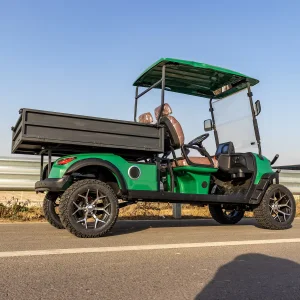
Explore high-performance electric multi-passenger utility and recreation vehicles engineered for international standards.
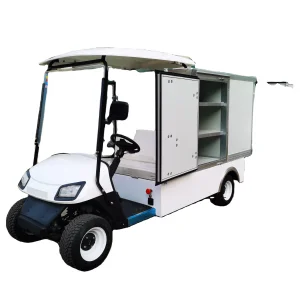
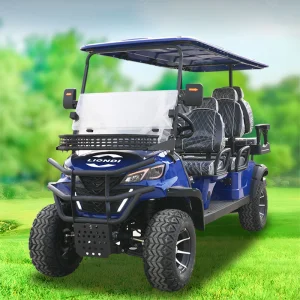
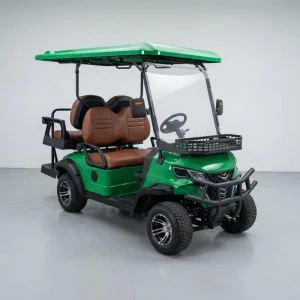
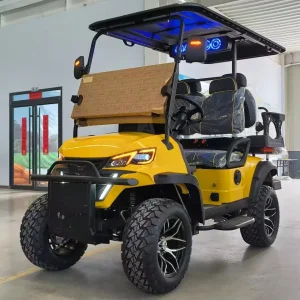
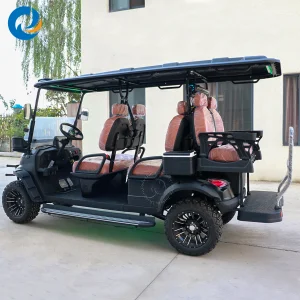
The global demand for family-sized golf carts (specifically 4-seater, 6-seater, and 8-seater configurations) has graduated from simple turf applications to structured low-speed vehicle (LSV) urban ecosystems. Modern municipal frameworks, resort compounds, and gated residential areas are prioritizing micro-mobility solutions to replace fossil-fuel passenger cars for localized commutes.
This industry whitepaper explores the macro-engineering frameworks behind these passenger vehicles, analyzes the global supply chain dynamics, and details why leading Chinese manufacturing regions, particularly Ningbo, have established dominant market positions. By understanding battery chemistry, chassis anti-corrosion, street-legal parameters, and drive efficiency, enterprise procurement executives can optimize their fleet investments for 2025 and beyond.
A multi-dimensional breakdown of the leading players dominating the global low-speed electric vehicle market, evaluating production capacity, customization, and electrical safety standards.
These historically legacy manufacturers command significant dealership networks across North America and Europe. They excel in standardizing fleet solutions for standard golf courses but present limited structural flexibility for highly custom off-road options, specialized cargo systems, and direct-to-factory configurations without high dealer margins.
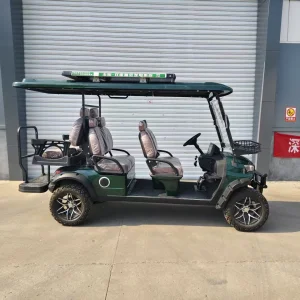
Leading the integration of lithium-ion drivetrains, modular structural systems (like quick-change components), solar roof integration, and rust-resistant aluminum alloy chassis. Due to their location in industrial clusters, they offer significantly higher cost-to-performance ratios and support deep OEM/ODM modifications directly for fleet operations.
In analyzing the top 10 family sized golf carts manufacturers & suppliers, buyers must prioritize structural engineering over brand premium. The mechanical longevity of a family vehicle hinges on the grade of structural steel or aluminum alloy in the chassis, the implementation of dynamic independent suspensions for passenger comfort, and the certification level (EPA/CE/DOT) of the powertrain and lithium battery packs.
A side-by-side engineering comparison between legacy entry-level golf carts and modern high-end family-sized electric platforms.
| Performance Dimension | Legacy Fleet Carts | Modern Advanced Multi-Passenger Carts (e.g. GLHF Golf) |
|---|---|---|
| Battery Chemistry | Lead-Acid (Deep Cycle) 36V / 48V | LiFePO4 Lithium (48V / 72V) with Smart BMS |
| Nominal Range per Charge | 30 km – 45 km (highly dependent on age) | 90 km – 120 km (optional solar panel integration) |
| Suspension System | Leaf Springs (Rear) and Simple A-Arms | Independent Front Suspension with Coils & MacPherson struts |
| Braking Mechanics | Rear Mechanical Drum Brakes (>9m distance) | Four-wheel Hydraulic Disc Brakes (<5.5m distance) |
| Chassis Protection | Coated Steel (High Corrosion Risk) | Electrophoretic Coating (ED) or Aluminum Alloy Frame |
| Regulatory Standards | Limited to Golf Course Use Only | DOT Street Legal, EPA, CE Certified, Independent LSV lights |
The manufacturing cluster located in the coastal economic zones of Zhejiang, especially Ningbo, is the global epicenter for micro-mobility development. These factories leverage significant industrial infrastructure to secure unparalleled production efficiencies:
Analyzing how different industries leverage multi-passenger golf cars to maximize logistical efficiency and guest comfort.
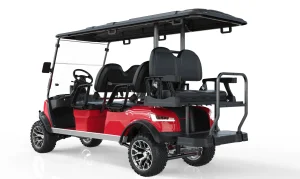
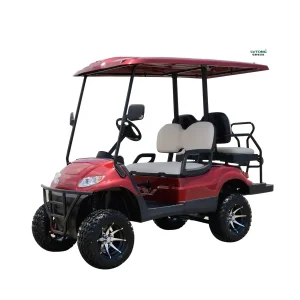
With street-legal 4-seater and 6-seater low-speed configurations, families easily substitute full-sized internal combustion cars for quick trips to community centers, parks, and nearby retail hubs. Low-decibel operations ensure minimal noise pollution in high-density areas.
Resorts require heavy-duty vehicles that handle continuous, multi-shift customer transportation over variable terrains. Solar panel integrated roofs recharge the vehicle passively during daylight hours, reducing energy draws from the main resort power grid.
By integrating quick-change cargo systems or removable utility dump beds, these vehicles transform from passenger carriers to structural heavy-lifters for campus maintenance, cargo sorting, and emergency tool transportation.
Procuring a fleet of low-speed passenger vehicles requires extensive diligence regarding regional laws. In the United States, LSVs must comply with FMVSS Standard No. 500, requiring features such as windshields, seatbelts, high-mount tail lights, mirrors, and specific VIN formats.
Our supply solutions guarantee absolute compliance through international certifications, including CE, DOT, and EPA approvals. Fleet managers should ensure battery configurations are certified under UN38.3 to prevent custom seizures during international maritime shipment.
Global leader in electric golf carts, utility mobility vehicles, and custom resort transportation solutions.
Ningbo GLHF Golf Co., Ltd. is a professional manufacturer specializing in electric golf carts and golf course mobility solutions. The company focuses on the design, development, and production of lithium and lead-acid battery-powered golf vehicles, providing reliable transportation solutions for golf courses, resorts, residential communities, hotels, and commercial facilities worldwide.
Since its establishment, GLHF Golf has built a strong foundation in electric mobility engineering and golf industry applications. In its early stage, the company concentrated on assembling basic lead-acid battery golf carts for domestic markets, gradually gaining experience in vehicle structure optimization and battery management systems. As demand for cleaner and more efficient energy solutions increased, the company entered a rapid development phase, introducing lithium battery technologies and upgrading its product line to meet international standards.
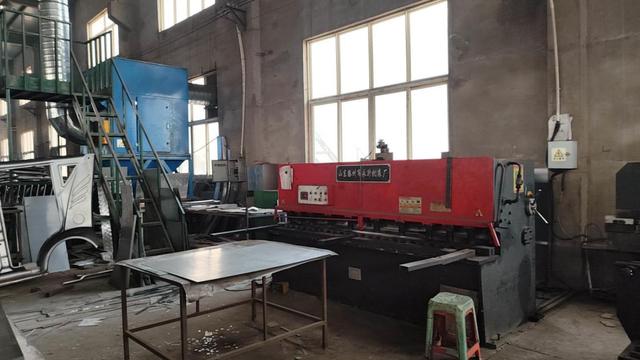
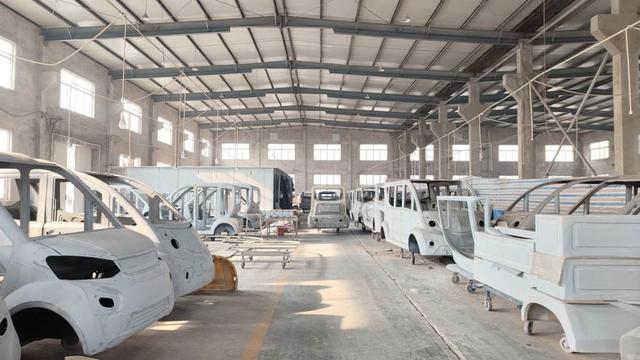
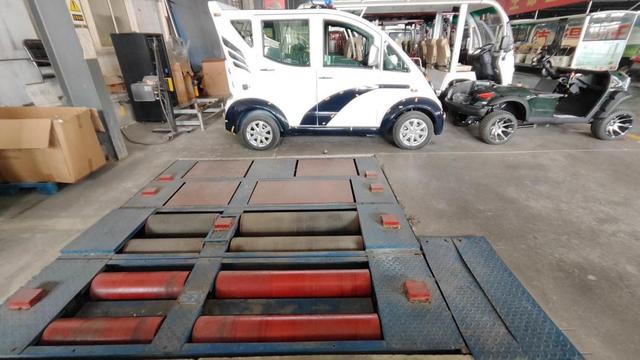
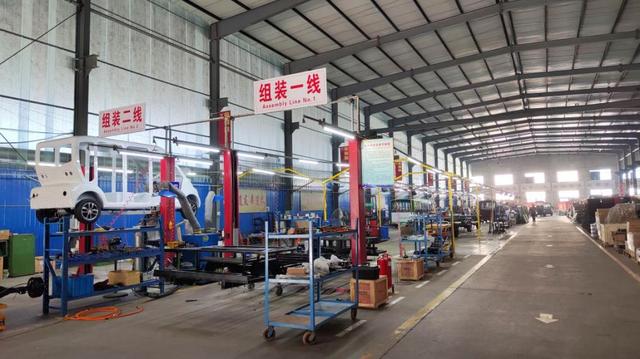
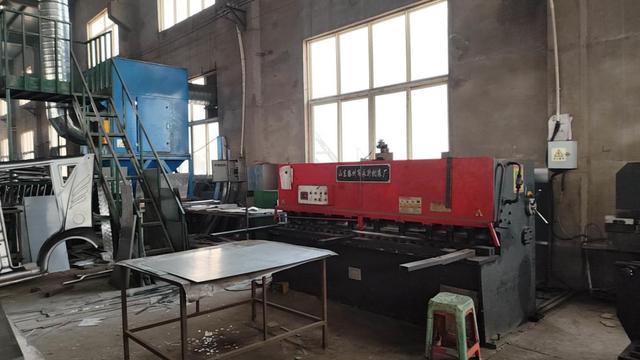
Over the years, GLHF Golf expanded its manufacturing capabilities with advanced production lines, precision assembly workshops, and strict quality control systems. The company continuously improved core technologies such as electric drivetrain efficiency, battery endurance, and vehicle safety performance. At the same time, it developed a diversified product portfolio covering passenger carts, utility carts, and customized fleet solutions for large-scale golf course operations.
Today, Ningbo GLHF Golf Co., Ltd. serves global clients with a strong commitment to innovation, durability, and energy efficiency. With ongoing investment in smart mobility systems and sustainable transportation technologies, the company aims to become a leading international supplier of electric golf cart solutions, delivering high-performance, eco-friendly vehicles for modern golf and leisure industries.
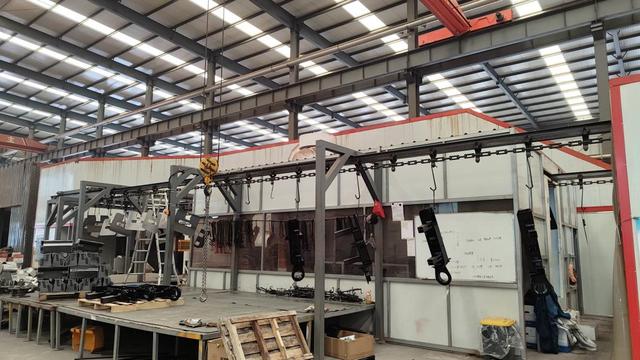
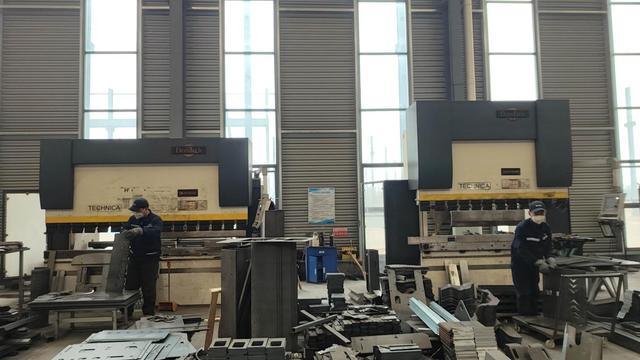
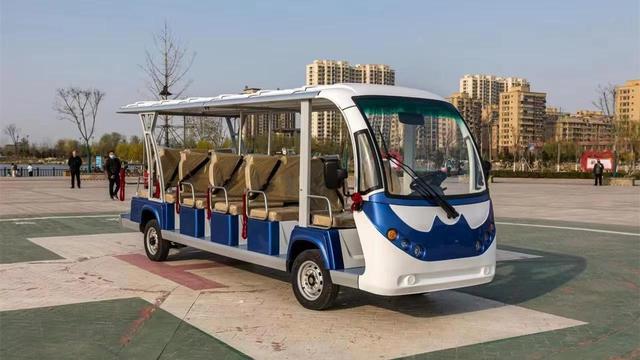
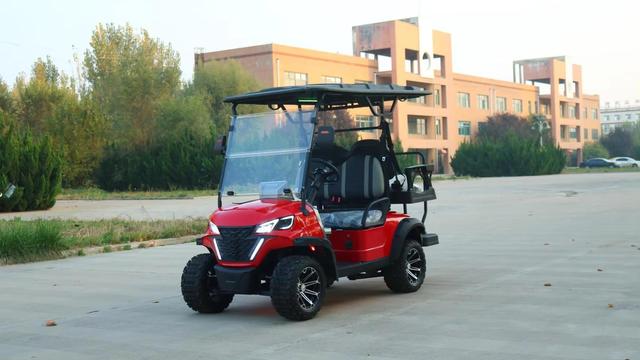
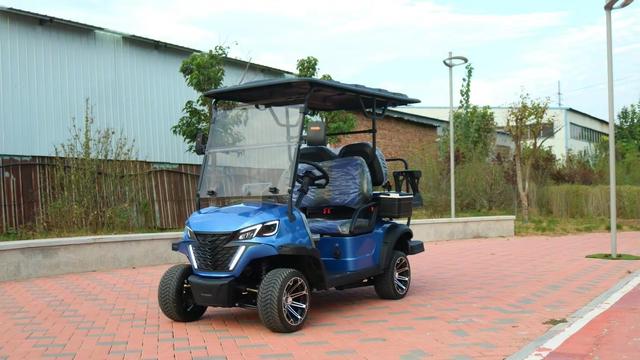
Detailed design specifications, utility cargo structures, all-weather buggies, and smart modular systems.
Crucial engineering, legal, and shipping queries analyzed by experienced mobility professionals.
With standard 72V system configurations, a family-sized 6-seater cart can run between 90 km to 120 km on a single charge. Integrating premium monocrystalline solar roof panels can extend this range by 15% to 25% daily, assuming standard outdoor sunlight exposure.
To qualify as a Street Legal Low-Speed Vehicle (LSV) in the US and many EU countries, the vehicle must have a maximum speed of 25 mph (40 km/h), be equipped with DOT-certified seat belts, headlamps, turn signals, reflective mirrors, a durable windshield, and an active vehicle identification number (VIN).
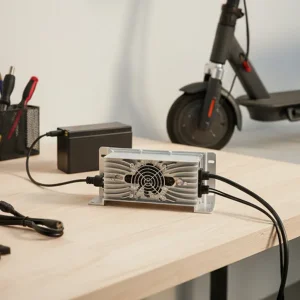
An IP67 rating ensures that the charging converter and onboard battery management system (BMS) are completely dust-tight and can survive temporary water immersion up to 1 meter. This is vital for heavy rain climates or coastal environments.
Many traditional golf carts utilize mechanical drum brakes that can take upwards of 9-11 meters to stop under full load. A 5.5m braking distance is achieved by using four-wheel hydraulic disc brakes, which dramatically decreases collision risks in sudden emergency situations when carrying multiple family members.
 GLHF Golf