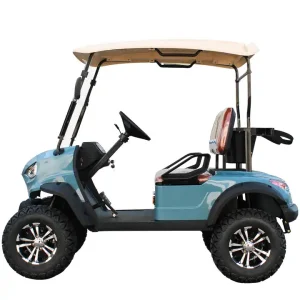
Explore our industrial-grade, safety-certified electric utility vehicles and fleet optimization systems designed for continuous operation.
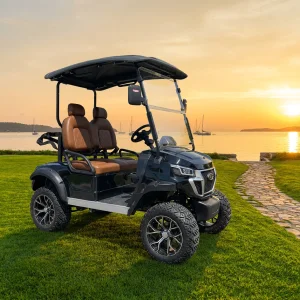
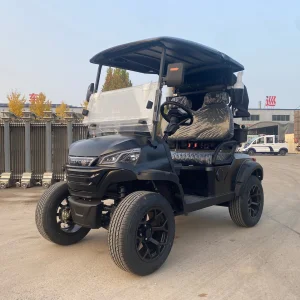
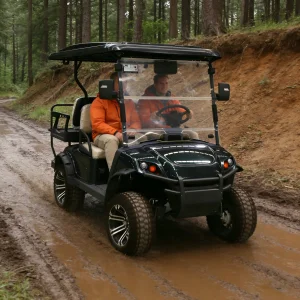
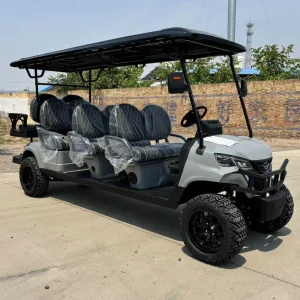
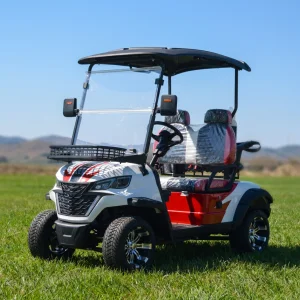
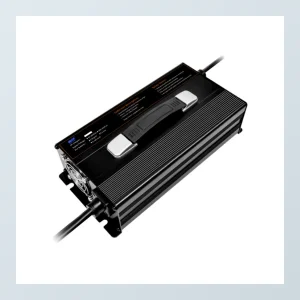
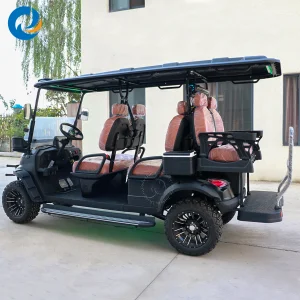
Deep-dive white paper on the convergence of active safety, structural redundancy, and telemetry in commercial golf cart fleets.
In modern high-occupancy environments, electric golf carts have evolved far beyond basic fairway buggies. Global entities manage complex micro-transport loops within airports, industrial parks, and high-end residential communities where multi-modal vehicle interactions pose distinct spatial safety challenges. Safeguarding pedestrians, cargo, and operators calls for highly reliable engineering architectures.
A resilient safety-first design starts with a structural steel chassis, optimizing tensile strength against low-speed collisions. Advanced chassis coatings provide critical anti-corrosive barriers, allowing prolonged deployment in high-humidity coastal resorts and industrial manufacturing facilities. Structural rigidity is complemented by reliable drivetrain configurations—such as AC brushless motor configurations—to ensure smooth acceleration profile management, mitigating abrupt torque surges during takeoff.
B2B procurement departments look past visual styling, evaluating metrics like lifecycle costs, Mean Time Between Failures (MTBF), and localized regulatory compliance (such as ANSI/ILTVA Z130.1 and CE certifications). Today's procurement models prioritize integrated battery management architectures, looking for systems that safeguard against cellular thermal runaway while optimizing high-amperage rapid charge cycles.
Our fleet solutions address these operational requirements by pairing high-performance electric motors with advanced Lithium Iron Phosphate (LiFePO4) powertrains. These configurations feature dedicated telemetry interfaces that stream vehicle state-of-health diagnostics directly to fleet management control portals. This lets operators proactively identify cell imbalances, monitor state-of-charge (SoC), and enforce speed limits via digital geofencing.
Architectural innovations in low-speed mobility, targeting maximum uptime and minimizing structural failures.
Features responsive hydraulic four-wheel disc braking systems paired with regenerative electromagnetic parking brakes. Prevents accidental rollback on steep inclines and ensures short stopping distances even under full payloads.
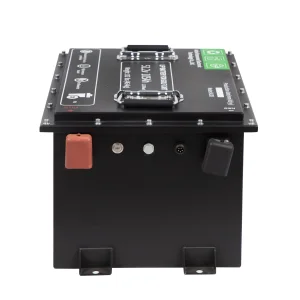
Designed around chemistry-specific monitoring circuits to protect cells against overcharge, discharge, and thermal runaways. Smart balancing extends battery cycle life past 3,500 complete discharge iterations.
Real-time fleet data streaming allows managers to monitor driver behavior, track route parameters, establish digital geofencing limits, and schedule predictive maintenance cycles.
Over a decade of manufacturing electric utility vehicles for demanding commercial applications.
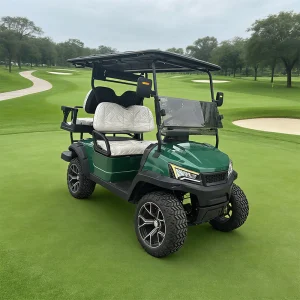
Ningbo GLHF Golf Co., Ltd. is a professional manufacturer specializing in electric golf carts and golf course mobility solutions. The company focuses on the design, development, and production of lithium and lead-acid battery-powered golf vehicles, providing reliable transportation solutions for golf courses, resorts, residential communities, hotels, and commercial facilities worldwide.
Since its establishment, GLHF Golf has built a strong foundation in electric mobility engineering and golf industry applications. In its early stage, the company concentrated on assembling basic lead-acid battery golf carts for domestic markets, gradually gaining experience in vehicle structure optimization and battery management systems. As demand for cleaner and more efficient energy solutions increased, the company entered a rapid development phase, introducing lithium battery technologies and upgrading its product line to meet international standards.
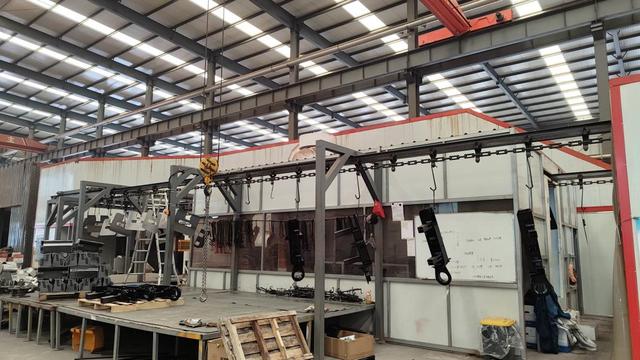
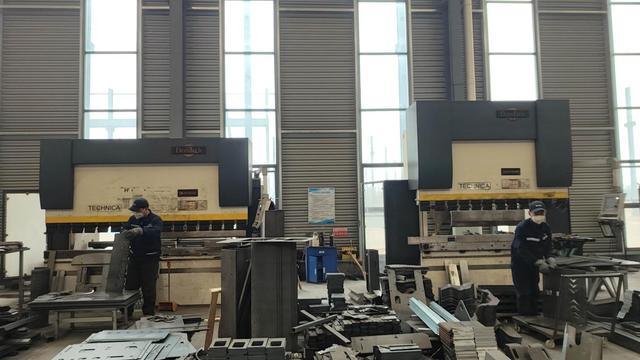
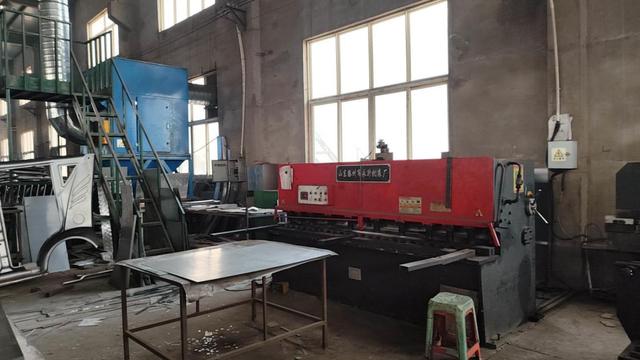
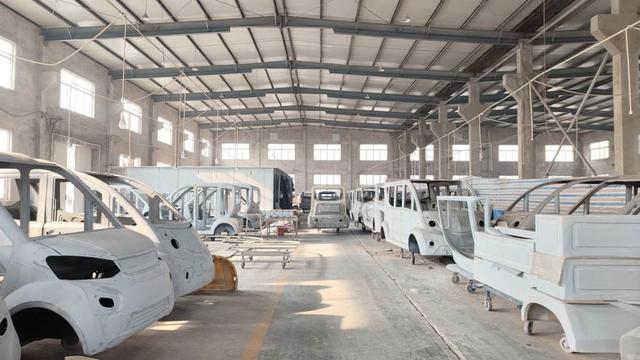
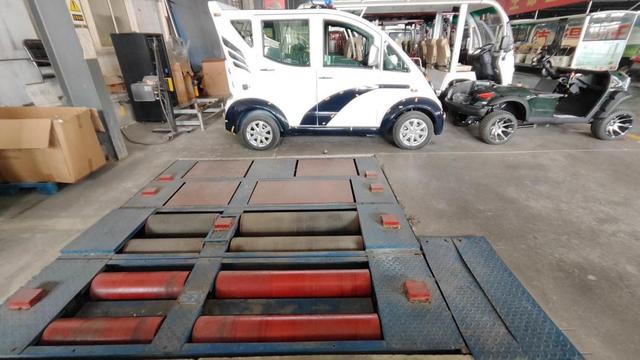
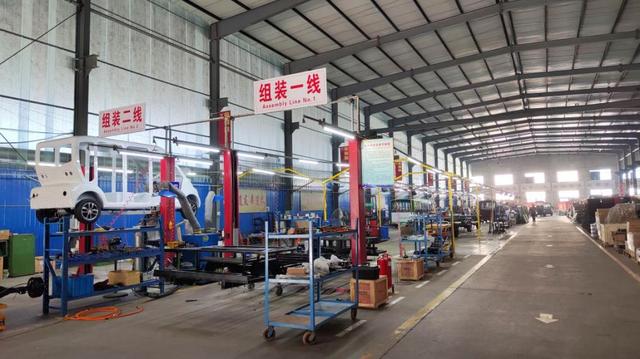
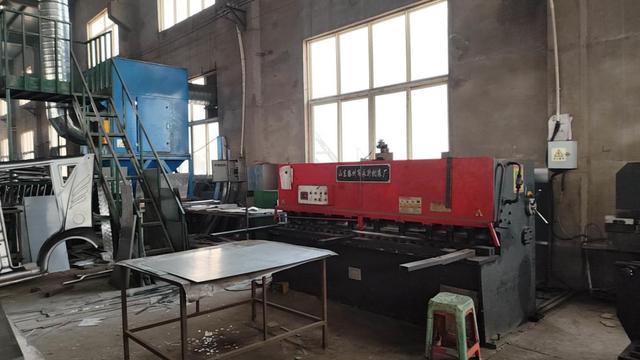
Over the years, GLHF Golf expanded its manufacturing capabilities with advanced production lines, precision assembly workshops, and strict quality control systems. The company continuously improved core technologies such as electric drivetrain efficiency, battery endurance, and vehicle safety performance. At the same time, it developed a diversified product portfolio covering passenger carts, utility carts, and customized fleet solutions for large-scale golf course operations.
Today, Ningbo GLHF Golf Co., Ltd. serves global clients with a strong commitment to innovation, durability, and energy efficiency. With ongoing investment in smart mobility systems and sustainable transportation technologies, the company aims to become a leading international supplier of electric golf cart solutions, delivering high-performance, eco-friendly vehicles for modern golf and leisure industries.
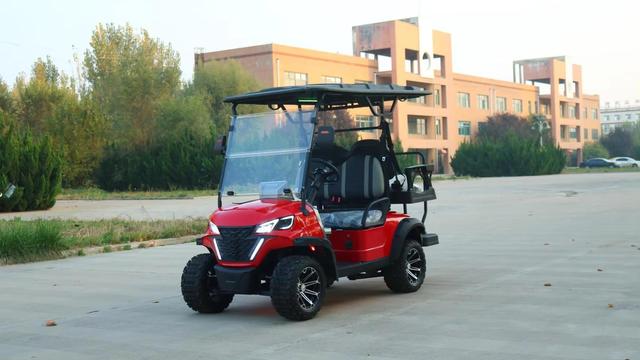
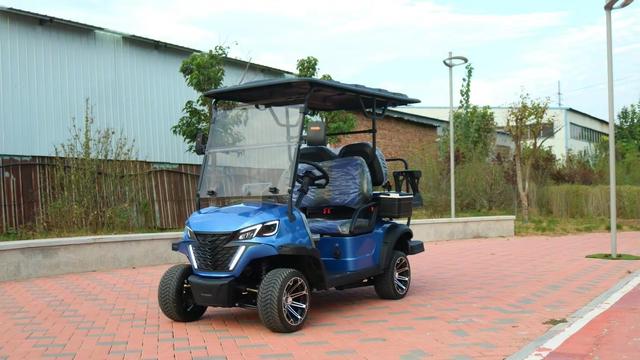
Deploying specialized transportation systems across diverse environmental, commercial, and safety frameworks.
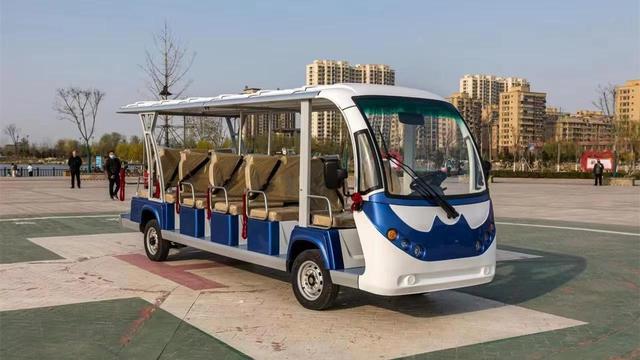
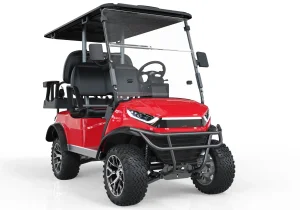
Residential communities and high-end resorts demand electric transit vehicles that prioritize passenger comfort, operate quietly, and offer robust active safety features. Meeting street-legal parameters (like LSV classifications in the USA and Canada) requires integrating automotive-grade three-point seatbelts, side mirrors, horn systems, high-visibility LED lighting, and digital backup cameras. This setup ensures seamless operation alongside passenger vehicles on community roads.
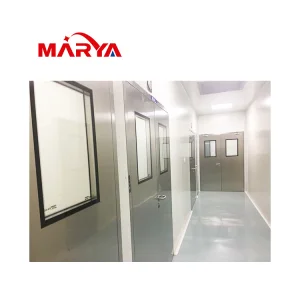
Operating inside airports, large warehouses, or cleanroom boundaries requires strict exhaust mitigation and low particulate shed. This is where advanced micro-mobility vehicles excel. For facilities that rely on complex logistics like a Cleanroom Modular Wall & Ceiling System Modular Cleanrooms and Cleanroom Wall Systems to control particle concentrations, choosing clean-running electric utility vehicles prevents oil leaks and exhaust contamination. The use of non-marking solid compound tires prevents carbon dust buildup on epoxy floor finishes.
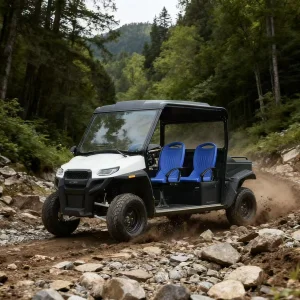
Heavy-duty utility work requires high torque, strong suspension systems, and reliable terrain adaptivity. Traditional light carts often suffer from frame twisting or motor burnouts when traversing muddy gradients or rocky paths. Our off-road utility chassis feature high-tensile steel construction, paired with elevated independent double-A arm suspensions and heavy-duty planetary gearboxes. These elements work together to handle rocky paths, mud trails, and challenging forestry environments.
Expert clarifications regarding compliance, energy integration, and global fleet management logistics.
Browse our range of high-torque drivetrains, specialized utility models, and off-road configurations.
 GLHF Golf