Engineered to comply with international off-road transport directives and optimized for steep gradients, industrial ports, and coastal hospitality hubs throughout Latin America.
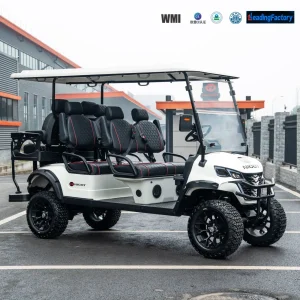
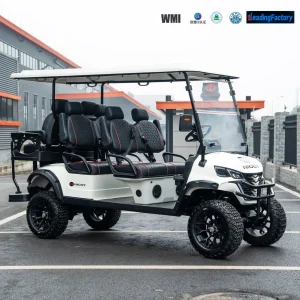
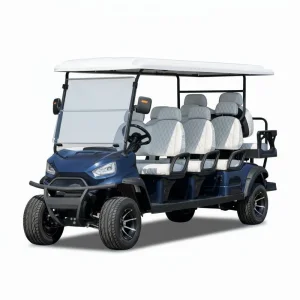
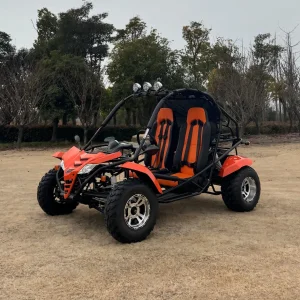
As Brazil aggressively pursues sustainable development, the transition from legacy internal combustion utility vehicles to high-safety electric fleets is accelerating across agricultural, commercial, and residential sectors.
Brazil represents one of the most dynamic off-road vehicle markets in South America. Driven by a surge in eco-resort tourism in the Northeast (Nordeste region), large-scale closed residential developments (such as Alphaville in São Paulo and Rio de Janeiro), and industrial warehousing expansion in key ports like Suape and Santos, the demand for reliable zero-emission passenger shuttles has experienced double-digit compound annual growth.
However, Brazil’s diverse topography and microclimates pose unique operational challenges. From steep hillsides in Minas Gerais and Rio to high humidity levels and salty coastal atmospheres, utility vehicles must maintain superior mechanical integrity. Standard off-road carts with basic drum brakes present significant safety risks on wet slopes. Consequently, enterprise buyers are prioritizing advanced vehicle control technologies—most notably electromagnetic automatic parking brakes (EPB) and four-wheel hydraulic braking systems—to ensure workplace safety and minimize liability.
Reliable stopping power is mandatory for high-gradient gated communities and mountain eco-lodges (e.g., Campos do Jordão).
Strict local industrial safety mandates push commercial fleet operators to utilize vehicles featuring fail-safe braking mechanisms.
Coastal resorts require galvanized, marine-grade hydraulic lines and sealed brake calipers to withstand salty air.
Delivering engineering excellence through redundant safety loops and regenerative braking energy recovery systems.
In standard low-speed electric vehicles (LSEVs), braking is typically managed by mechanical cable-actuated rear drum brakes. While cost-effective, these systems suffer from thermal fade, require frequent manual adjustment, and do not provide automatic lock-on-slope safety. GLHF Golf carts engineered for the Brazilian market solve these vulnerabilities by deploying a multi-tier active safety architecture.
| Feature / Specification | Standard Golf Cart System | GLHF Safety-Plus System (Brazil Spec) | Operational Advantage |
|---|---|---|---|
| Primary Braking | Rear-Wheel Mechanical Drum | Four-Wheel Hydraulic Disc + Electro-Hydraulic Assist | Up to 50% shorter stopping distance under full load. |
| Parking Brake | Manual Foot-Latch / Mechanical Lock | Automatic Electromagnetic Parking Brake (IntelliBrake™) | Instantly locks wheels when throttle is released; zero roll-back on 30% slopes. |
| Energy Recovery | None / Basic Resistive Braking | AC Regenerative Braking System (15-20% Recovery) | Feeds deceleration kinetic energy back into the Li-ion battery, increasing range. |
| IP Rating | IP54 Open Brake Assemblies | IP67 Sealed Mechanical & Electronic Components | High resistance to dust, mud, and water ingress typical of rural resorts. |
Our EMB technology utilizes a fail-safe electric spring-applied brake mounted directly to the traction motor armature shaft. When the operator presses the accelerator, electrical current flows through the brake coil, generating a magnetic field that pulls the pressure plate away from the friction disc, allowing free rotation. When the vehicle stops or loses power, the magnetic field collapses instantly, and heavy-duty springs force the pressure plate against the friction disc, securing the cart firmly in position. This ensures the cart cannot roll away even if parked on the steepest hills of Belo Horizonte.
Helping procurement officers, operations managers, and corporate fleet buyers optimize Total Cost of Ownership (TCO) and ESG metrics.
B2B procurement of electric utility fleets is no longer just about initial purchase price. Leading hospitality groups, industrial complexes, and municipal parks assess acquisitions based on a rigorous matrix of safety compliance, fleet connectivity, and lifecycle durability. By sourcing from GLHF Golf, procurement departments gain access to institutional-grade features:
Navigating Mercosur tariffs, Siscomex clearance, and local service support networks with absolute transparency.
Importing industrial machinery and electric passenger vehicles into Brazil requires strict compliance with local customs (Receita Federal) and technical regulatory frameworks. GLHF Golf acts as more than a manufacturer; we are a strategic supply chain partner. We provide complete administrative and mechanical support throughout the import lifecycle:
Pioneering the next generation of smart off-road mobility via autonomous safety controls and solid-state power systems.
At GLHF Golf, we are constantly anticipating what comes next. Our engineering teams in Ningbo are currently designing the next evolutionary phase of LSEVs. By 2026, our safety systems will feature Collision Mitigation ADAS (Advanced Driver Assistance Systems), utilizing miniature LiDAR and radar arrays to automatically brake when detecting sudden obstacles in blind spots. Furthermore, we are developing localized vehicle-to-grid (V2G) solutions that will allow smart luxury estates to use golf cart fleets as decentralized energy storage units, feeding power back into the grid during peak load hours in Brazil's major metropolitan areas.
A global leader in electric golf carts and specialized course mobility solutions.
Ningbo GLHF Golf Co., Ltd. is a professional manufacturer specializing in electric golf carts and golf course mobility solutions. The company focuses on the design, development, and production of lithium and lead-acid battery-powered golf vehicles, providing reliable transportation solutions for golf courses, resorts, residential communities, hotels, and commercial facilities worldwide.
Since its establishment, GLHF Golf has built a strong foundation in electric mobility engineering and golf industry applications. In its early stage, the company concentrated on assembling basic lead-acid battery golf carts for domestic markets, gradually gaining experience in vehicle structure optimization and battery management systems. As demand for cleaner and more efficient energy solutions increased, the company entered a rapid development phase, introducing lithium battery technologies and upgrading its product line to meet international standards.
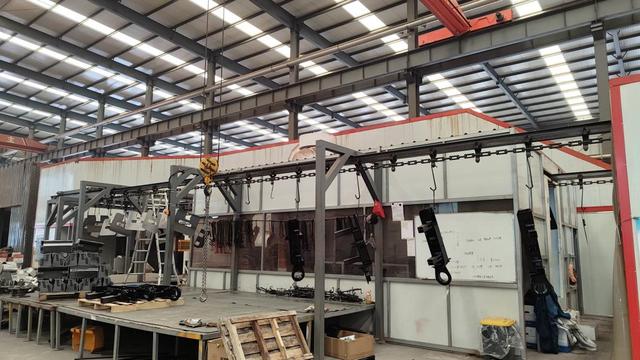
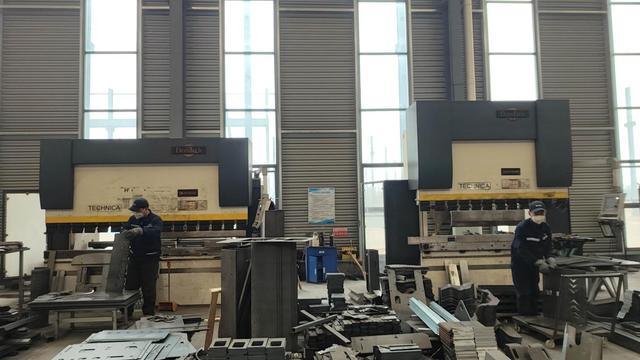
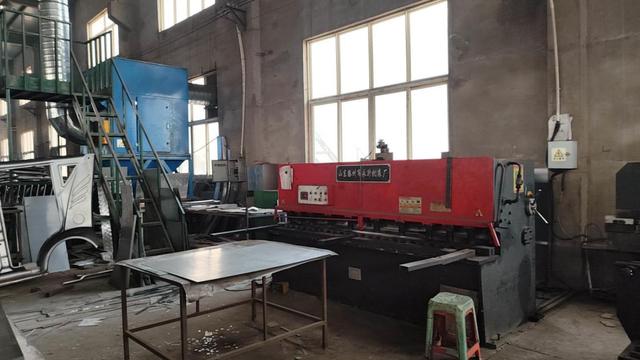
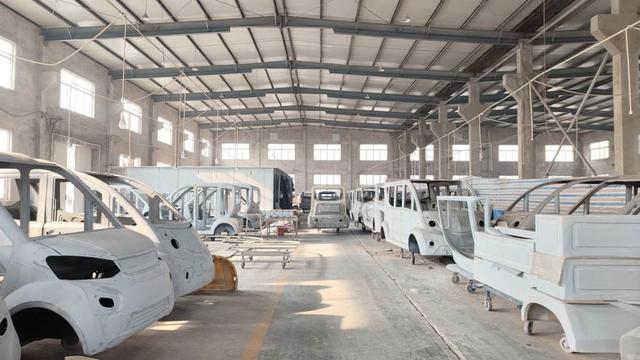
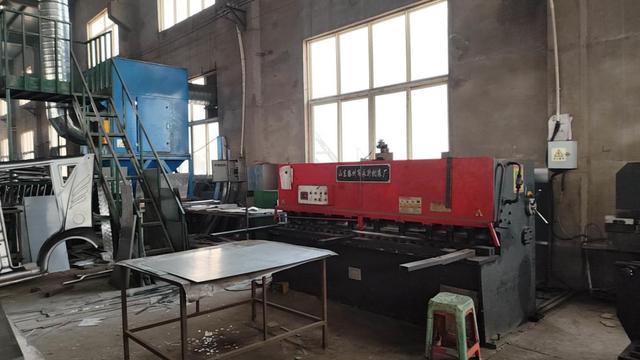
Over the years, GLHF Golf expanded its manufacturing capabilities with advanced production lines, precision assembly workshops, and strict quality control systems. The company continuously improved core technologies such as electric drivetrain efficiency, battery endurance, and vehicle safety performance. At the same time, it developed a diversified product portfolio covering passenger carts, utility carts, and customized fleet solutions for large-scale golf course operations.
Today, Ningbo GLHF Golf Co., Ltd. serves global clients with a strong commitment to innovation, durability, and energy efficiency. With ongoing investment in smart mobility systems and sustainable transportation technologies, the company aims to become a leading international supplier of electric golf cart solutions, delivering high-performance, eco-friendly vehicles for modern golf and leisure industries.
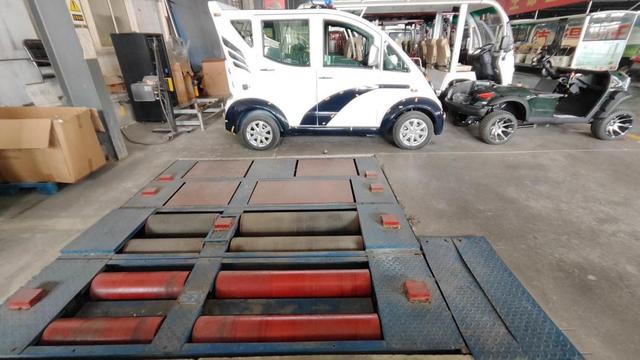
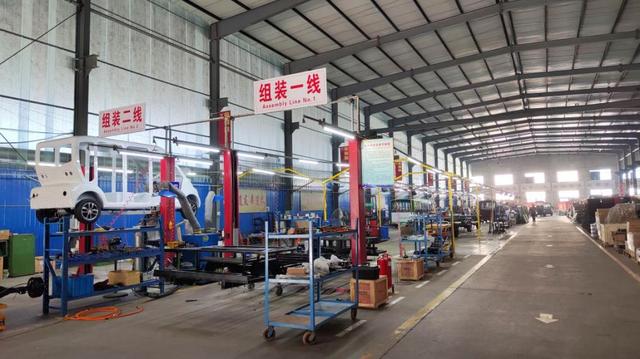
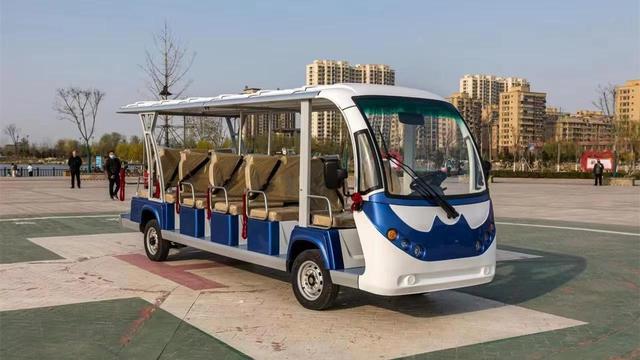
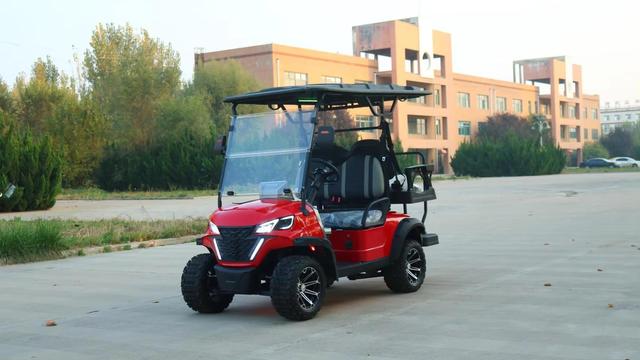
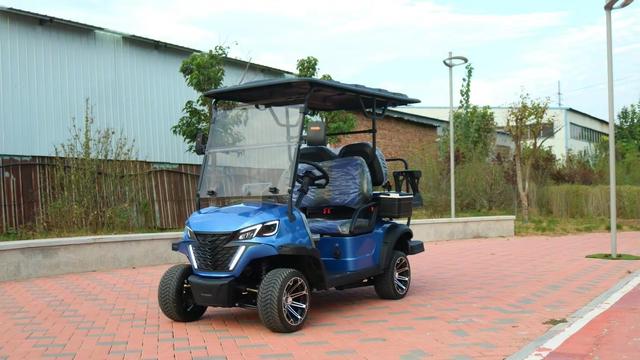
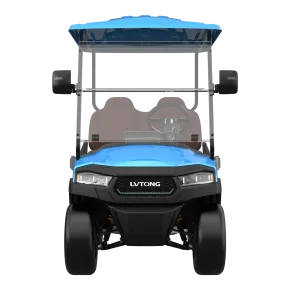
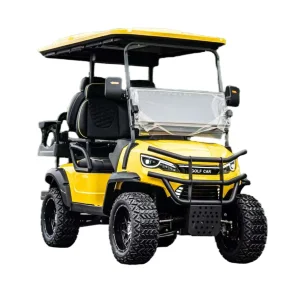
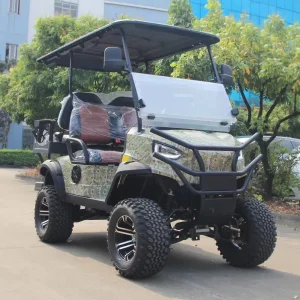
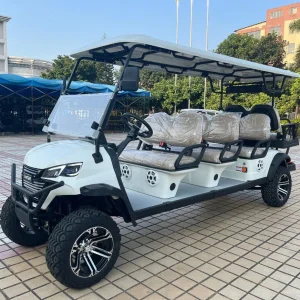
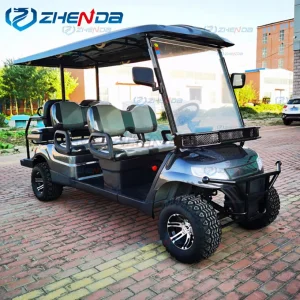
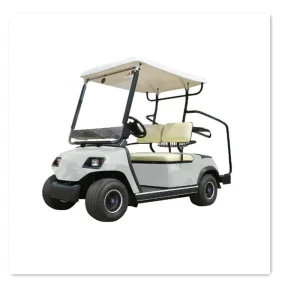
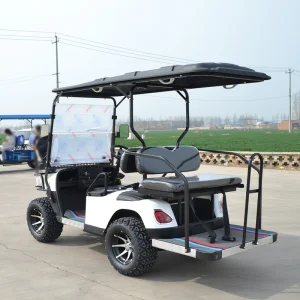
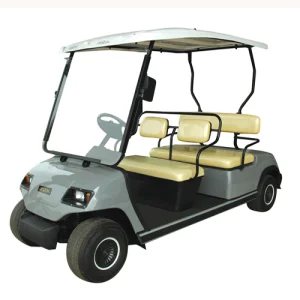
Additional fleet models engineered for durability, extended range, and precise off-road stopping power.
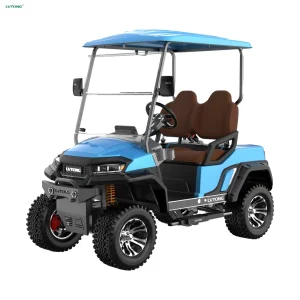
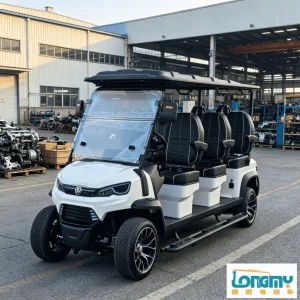
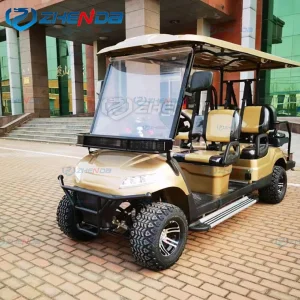
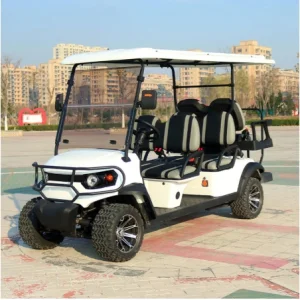
Addressing essential technical, regulatory, and logistics queries for B2B buyers in Brazil.
 GLHF Golf