Engineered high-performance configurations optimized for Brazil's logistics hubs and premium golf courses
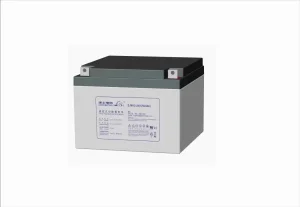
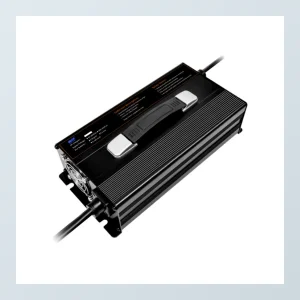
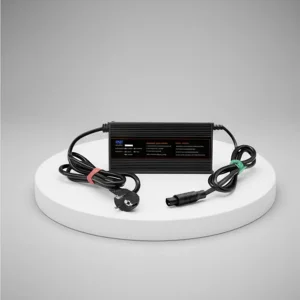
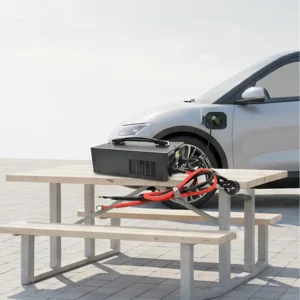
São Paulo, as the engine of Brazil’s industrial and commercial economy, demand specialized mobility infrastructure. The metropolitan regions of Guarulhos, Campinas, and the ABCD complex rely on electric utility fleets for internal logistics, closed-circuit goods transport, and luxury recreational facilities. Within this market, lead-acid battery systems for golf carts remain a critical cornerstone. While lithium-ion solutions represent a technology shift, deep-cycle flooded and gel lead-acid systems continue to command substantial market share. This enduring demand is driven by clear economic parameters, environmental recycling infrastructure, and high thermal stability under tropical operational conditions.
In Brazil, purchasing decisions are heavily influenced by the initial Capital Expenditure (CAPEX) and the availability of localized supply chains. Lead-acid batteries utilize a mature supply chain with a 99% localized recycling rate regulated strictly by CONAMA (Conselho Nacional do Meio Ambiente) Resolution 401/2008. This environmental program guarantees that used batteries are recycled locally, preventing expensive disposal costs. Additionally, the thermal characteristics of deep-cycle lead-acid batteries make them exceptionally safe in high ambient temperatures typical of São Paulo’s summers. Unlike lithium systems that require elaborate Battery Management Systems (BMS) and cooling circuits, lead-acid cells offer a robust safety profile.
Understanding the electrochemistry of lead-acid systems is crucial for fleet procurement engineers. Lead-acid traction systems for golf carts operate via a chemical reaction between lead dioxide (PbO₂) on the positive plates and sponge lead (Pb) on the negative plates within an aqueous sulfuric acid (H₂SO₄) electrolyte. In heavy-duty logistics and rugged turf conditions in São Paulo, the choice between traditional Flooded Lead-Acid (FLA) and Valve Regulated Lead-Acid (VRLA) Gel technology dictates the operational lifespan of the cart.
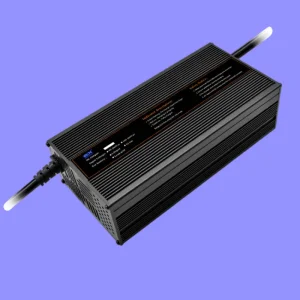
The integration of intelligent charging stations is essential to prevent sulfation—the crystallization of lead sulfate on the active plate materials. Sulfation occurs when batteries are left discharged for extended periods, a common operational mistake. Modern charging systems, such as our smart chargers, utilize multi-stage charging algorithms (Bulk, Absorption, Float) to prevent premature capacity loss.
Procurement teams in São Paulo face complex import tariffs and logistics realities. Brazil’s high import taxes on finished vehicles (under the Tarifa Externa Comum - TEC framework) make importing fully built golf carts expensive. Consequently, a hybrid sourcing strategy has emerged. Global procurement offices source critical high-value components—such as smart electric drivetrains, traction control units, and advanced charging modules—from top manufacturers in China, while completing final vehicle integration and lead-acid battery installation locally in Brazil.
By working directly with Chinese Factory 4.0 manufacturers like Ningbo GLHF Golf Co., Ltd., Brazilian assemblers can customize chassis layouts and electric powertrains to meet local specifications. This partnership allows them to install domestic deep-cycle lead-acid batteries, avoiding the heavy import duties on batteries while keeping high manufacturing standards for the vehicle body and motor control systems.
How automated assembly, precision material handling, and rigorous QA standards benefit Brazilian operations
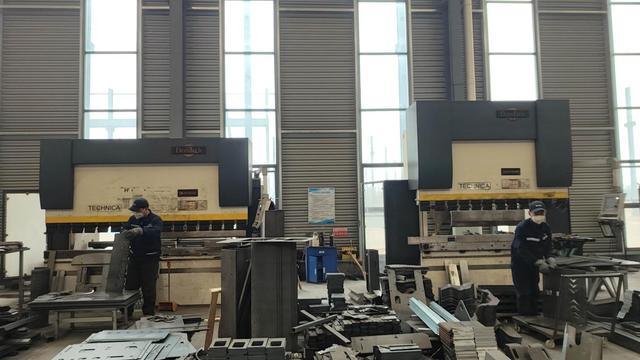
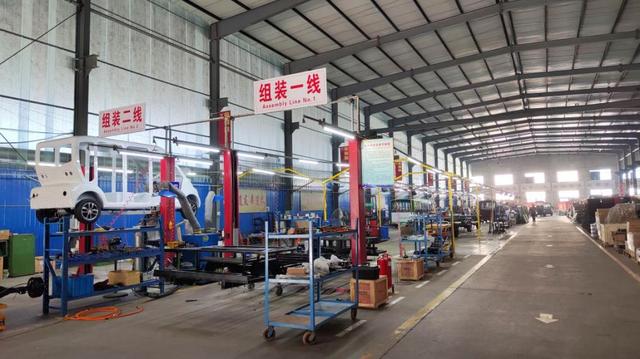
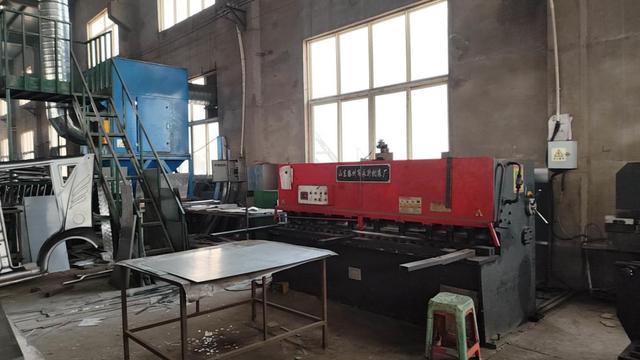
The competitive advantage of Ningbo GLHF Golf Co., Ltd. lies in our integration of Factory 4.0 automation. Our production lines feature automated plate casting, robotic grid pasting, and computerized curing chambers. These technologies ensure extreme consistency in physical plate thickness and active material density, minimizing cell-to-cell performance variation. In lead-acid battery configurations, cell imbalance is a primary cause of early battery failure. Our automated QA protocols verify that every cell and terminal connection meets international standards before delivery.
Our facility integrates advanced Manufacturing Execution Systems (MES) to track raw materials from procurement to assembly. This end-to-end traceability ensures that only premium-grade lead (99.99% purity) and optimized gel formulas are used in our systems. For global logistics coordinators sourcing from China, this production transparency guarantees high structural reliability, minimizing downtime for fleets operating in high-demand environments.
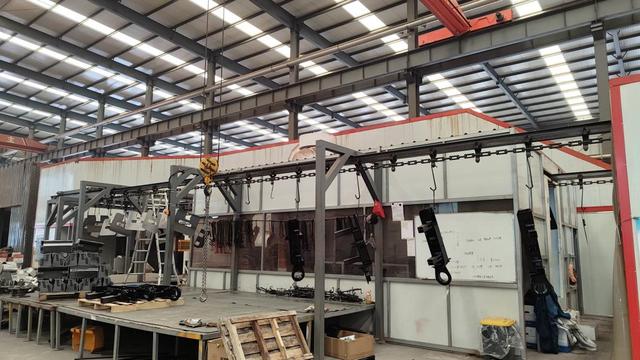
Our history, production capabilities, and corporate values in green mobility engineering
Ningbo GLHF Golf Co., Ltd. is a professional manufacturer specializing in electric golf carts and golf course mobility solutions. The company focuses on the design, development, and production of lithium and lead-acid battery-powered golf vehicles, providing reliable transportation solutions for golf courses, resorts, residential communities, hotels, and commercial facilities worldwide.
Since its establishment, GLHF Golf has built a strong foundation in electric mobility engineering and golf industry applications. In its early stage, the company concentrated on assembling basic lead-acid battery golf carts for domestic markets, gradually gaining experience in vehicle structure optimization and battery management systems. As demand for cleaner and more efficient energy solutions increased, the company entered a rapid development phase, introducing lithium battery technologies and upgrading its product line to meet international standards.
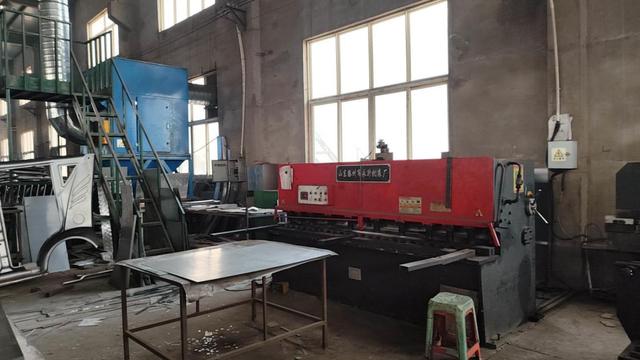
Over the years, GLHF Golf expanded its manufacturing capabilities with advanced production lines, precision assembly workshops, and strict quality control systems. The company continuously improved core technologies such as electric drivetrain efficiency, battery endurance, and vehicle safety performance. At the same time, it developed a diversified product portfolio covering passenger carts, utility carts, and customized fleet solutions for large-scale golf course operations.
Today, Ningbo GLHF Golf Co., Ltd. serves global clients with a strong commitment to innovation, durability, and energy efficiency. With ongoing investment in smart mobility systems and sustainable transportation technologies, the company aims to become a leading international supplier of electric golf cart solutions, delivering high-performance, eco-friendly vehicles for modern golf and leisure industries.
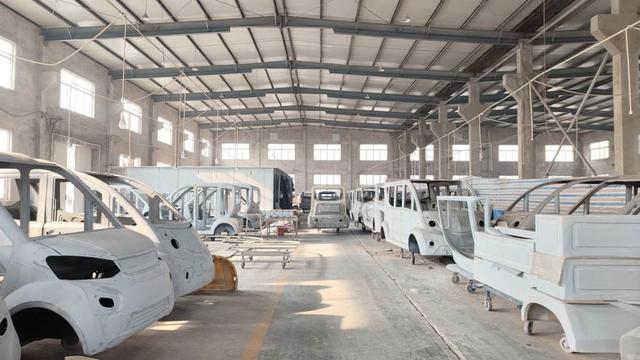

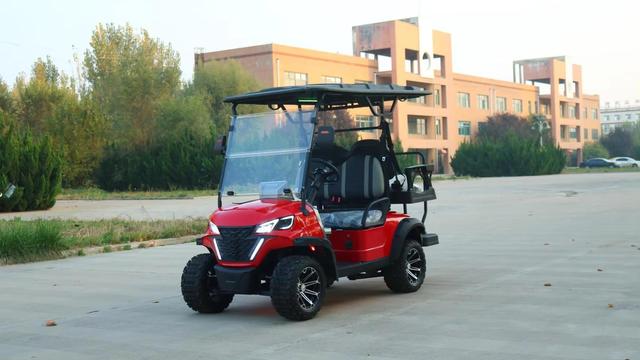
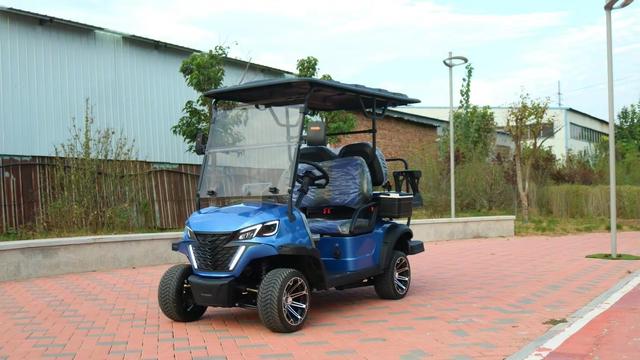
Select from our globally certified electric cart fleets and heavy-duty battery management systems
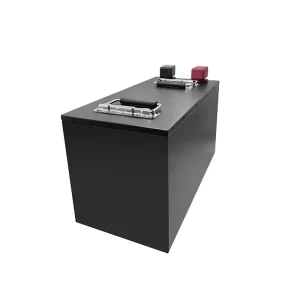
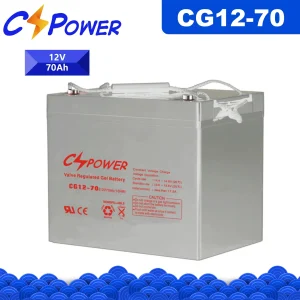
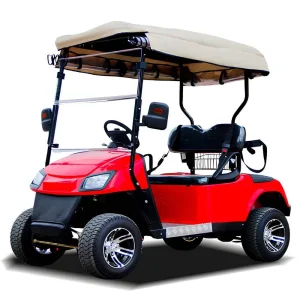
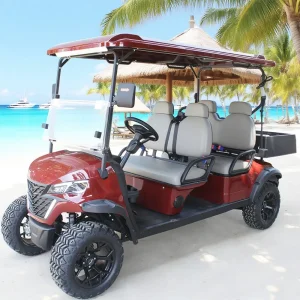
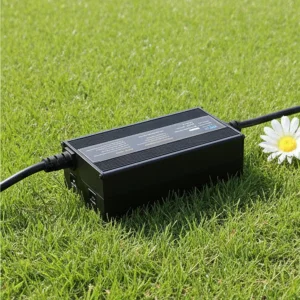
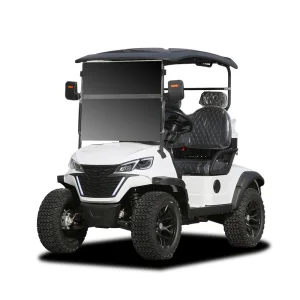
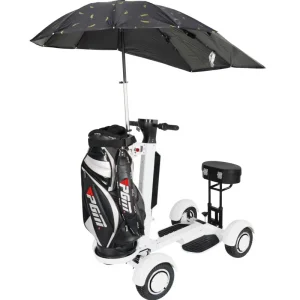
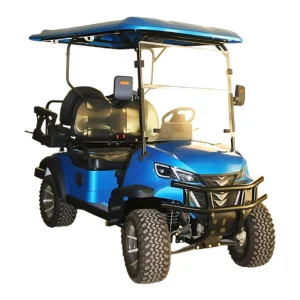

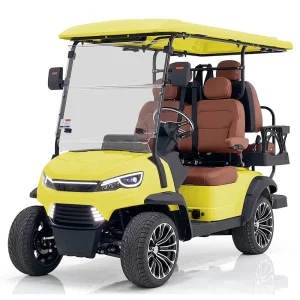
A side-by-side comparison of battery options for golf carts in tropical industrial applications
| Performance Metrics | Flooded Lead-Acid (FLA) | VRLA Gel Battery Systems | Lithium-Ion (LFP) Systems |
|---|---|---|---|
| Initial Capital Cost (CAPEX) | Baseline (Most Economical) | 1.3x - 1.5x Baseline | 2.5x - 3.2x Baseline |
| Maintenance Overhead | High (Bi-weekly watering required) | Zero Maintenance (Sealed system) | Zero Maintenance (Managed by BMS) |
| Thermal Runaway Risk | Very Low (Self-venting) | Extremely Low (Recombinant gas) | Low-Medium (Requires active BMS) |
| Vibration & Shock Resistance | Moderate (Plate displacement risk) | High (Gelled electrolyte design) | Excellent (Rigid cell module layout) |
| Recycling Loop in Brazil | 99% Closed-Loop (Domestic) | 99% Closed-Loop (Domestic) | Under Development (Complex / Export needed) |
| Average Lifespan (Daily Cycles) | 500 - 800 cycles @ 50% DoD | 1000 - 1500 cycles @ 50% DoD | 3000+ cycles @ 80% DoD |
How local industries apply deep-cycle electric utility vehicles across different environments
In premium residential areas like Alphaville (Barueri) and Campinas, security patrol services and residents use electric utility carts as their main form of transportation. For these applications, sealed Gel Lead-Acid battery packs provide a reliable, maintenance-free option that prevents acid leaks on paved driveways.
The logistics hubs around Guarulhos and Santos Port rely on heavy-duty electric cargo carts to move goods across warehouse floors. These fleets run for multiple shifts and experience constant vibrations. Our heavy-duty gel traction batteries offer the durability needed to withstand these demanding conditions.
Along the coast of São Sebastião and Ilhabela, luxury eco-resorts require quiet, emissions-free transport for guests. The 99% local recycling rate of lead-acid systems helps these resorts meet local environmental standards, making it a sustainable and cost-effective choice.
Technical insights on sourcing, maintaining, and importing battery systems for golf carts in Brazil
Importing fully built electric golf carts to Brazil incurs high import duties, including the IPI (Imposto sobre Produtos Industrializados) and the ICMS. To optimize costs, many operators use a hybrid sourcing strategy. They import advanced structural components, drivetrains, and electronics from manufacturing hubs in China, then source and install the heavy deep-cycle lead-acid batteries locally. This reduces import duties and ensures compliance with local recycling regulations.
High temperatures speed up the chemical reactions inside lead-acid batteries. While this can temporarily increase capacity, prolonged exposure to temperatures above 35°C accelerates grid corrosion and water loss. To extend battery life in tropical climates, fleet managers should use gel batteries, perform regular equalization charges, and keep charging areas well-ventilated to prevent heat buildup.
Gel batteries feature a gelled silica electrolyte, making them completely spill-proof and highly resistant to vibrations. Unlike flooded batteries, they do not require water refills and do not release acid mist during charging. This makes them ideal for indoor warehousing and food-processing facilities where maintaining clean, hazard-free floors is essential.
Sulfation occurs when lead-acid batteries are left in a discharged state for extended periods, causing lead sulfate crystals to harden on the plates. To prevent this, fleet managers should use smart charging stations with a float-charge mode. These chargers deliver a low, continuous current to keep the batteries fully charged during off-seasons.
Yes. Drivetrains manufactured under Factory 4.0 standards use standard voltage inputs (typically 36V, 48V, or 72V) that align with standard deep-cycle batteries available in Brazil. The wiring harnesses, motor controllers, and battery connectors can be customized during production to match local fleet requirements.
Under CONAMA Resolution 401/2008, commercial operations must return spent lead-acid batteries to authorized collection points or manufacturers. Fleet owners should establish a contract with certified local recyclers. The recycler collects spent batteries, processes the lead and plastics locally, and provides documentation proving environmental compliance.
Get in touch with our technical sales team to discuss custom drivetrains, smart charging integration, and global sourcing solutions for your operations in São Paulo.
Send Inquiry Now GLHF Golf