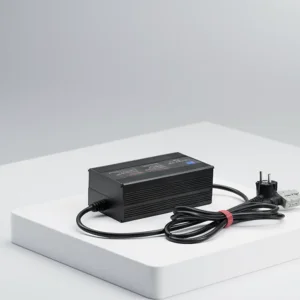
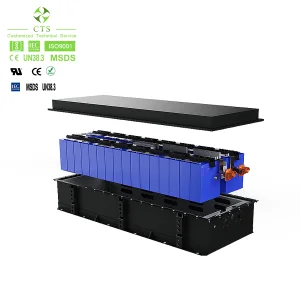
Premium lithium battery architectures and high-efficiency smart charging platforms optimized for durability, thermal stability, and long-range utility across Kenya's hospitality and resort sectors.
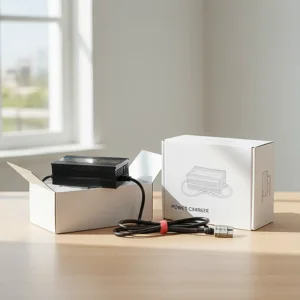
Kenya is rapidly positioning itself as a regional pioneer in sub-Saharan green technology and electric mobility. Spurred by national environmental strategies like the National Energy Efficiency and Conservation Strategy and escalating global mandates for low-carbon hospitality, commercial operators—ranging from luxury safari lodges in the Masai Mara to sprawling residential communities in Nairobi and premium golf estates along the coast—are aggressively replacing legacy internal combustion and traditional lead-acid fleets with high-efficiency lithium battery electric golf cart systems.
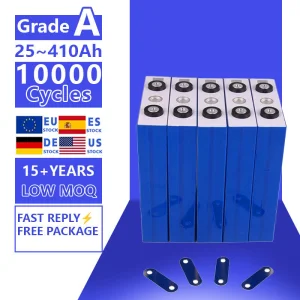
Historically, the operation of utility electric vehicles (EVs) in Kenya has been constrained by grid instability, extreme dust, high ambient operating temperatures, and rugged terrain. Traditional lead-acid batteries fail prematurely under these harsh conditions, showing severe capacity fade, thermal degradation, and substantial maintenance overhead (frequent watering, acid leak management, and long recharge times). In contrast, lithium iron phosphate (LiFePO4) chemistry delivers an exceptional lifespan of over 6,000 charge cycles, zero periodic maintenance, and reliable thermal runaway resistance up to 60°C, making it the ideal energy storage standard for modern commercial fleets in East Africa.
Safari lodges demand silent, zero-emission operations to prevent wildlife disturbance and local pollution. Lithium-powered drivetrains deliver high peak torque for uneven terrain with absolute acoustic silence.
Unlike ternary lithium or lead-acid batteries, LiFePO4 cells resist thermal runaway in equatorial climates, ensuring absolute safety even during midday charging in dry environments.
Direct compatibility with hybrid solar off-grid storage networks allows fleet managers to leverage Kenya's abundant solar resource, significantly lowering total cost of ownership (TCO).
B2B procurement agents, municipal fleet managers, and luxury resort operators sourcing lithium conversion systems must focus on specific performance criteria to guarantee long-term operational success. The global standard for commercial utility EV applications centers on 48V to 96V modular systems featuring integrated Battery Management Systems (BMS). A smart BMS is crucial, monitoring cell voltage, maintaining state-of-charge (SoC) balance, and protecting against over-current, over-voltage, and excessive heat.
The transition from lead-acid to lithium-ion technology is a major shift in industrial engineering. By comparing these technologies across operational parameters, the long-term economic and technical advantages of lithium become clear:
From an engineering perspective, LiFePO4 systems feature highly stable iron-phosphate crystal structures that resist structural changes during charge and discharge cycles. This stability prevents thermal runaway, making these batteries much safer than cobalt-based chemistries (NMC/LCO). Additionally, our systems feature advanced battery management units that protect individual cells from unbalanced states, extending their lifetime in harsh climates.
Importing industrial lithium-ion batteries and smart charging networks into Kenya requires strict adherence to local regulations. Our exporting protocols align fully with the Kenya Bureau of Standards (KEBS) and the Pre-Export Verification of Conformity (PVoC) roadmap. This ensures that every system shipped to Mombasa Port arrives with all necessary testing certifications (such as UN38.3, IEC62619, and CE approvals) to guarantee rapid customs clearance and immediate commissioning.
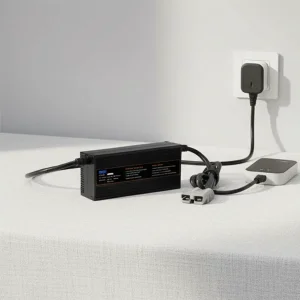
Additionally, modern green businesses in East Africa must consider solar integration. Standard golf cart chargers plug directly into conventional AC outlets. However, for off-grid operations in national parks and remote reserves, our chargers can be integrated with DC-coupled solar microgrids. Combining smart MPPT controllers with localized energy storage allows fleet managers to charge their vehicles directly from solar power. This setup bypasses inefficient DC-AC-DC conversions, minimizing heat generation and delivering clean, sustainable energy.
Ningbo GLHF Golf Co., Ltd. is a professional manufacturer specializing in electric golf carts and golf course mobility solutions. The company focuses on the design, development, and production of lithium and lead-acid battery-powered golf vehicles, providing reliable transportation solutions for golf courses, resorts, residential communities, hotels, and commercial facilities worldwide.
Since its establishment, GLHF Golf has built a strong foundation in electric mobility engineering and golf industry applications. In its early stage, the company concentrated on assembling basic lead-acid battery golf carts for domestic markets, gradually gaining experience in vehicle structure optimization and battery management systems. As demand for cleaner and more efficient energy solutions increased, the company entered a rapid development phase, introducing lithium battery technologies and upgrading its product line to meet international standards.
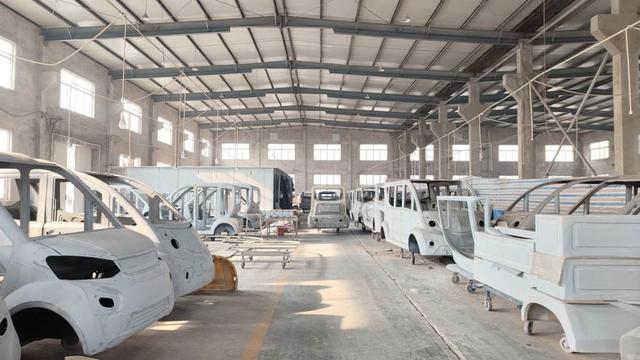
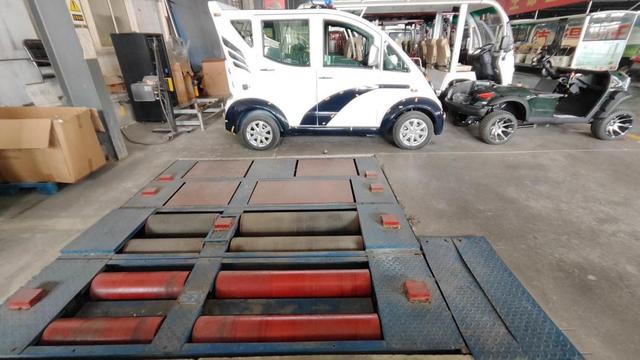
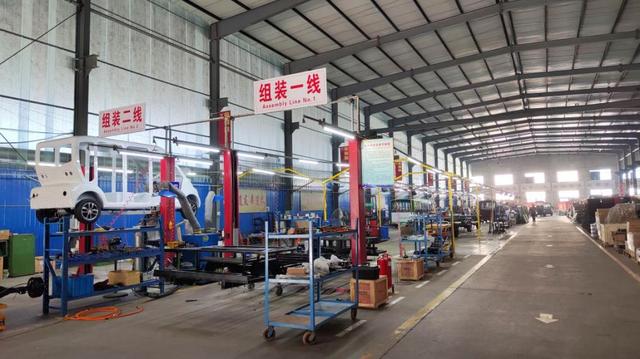
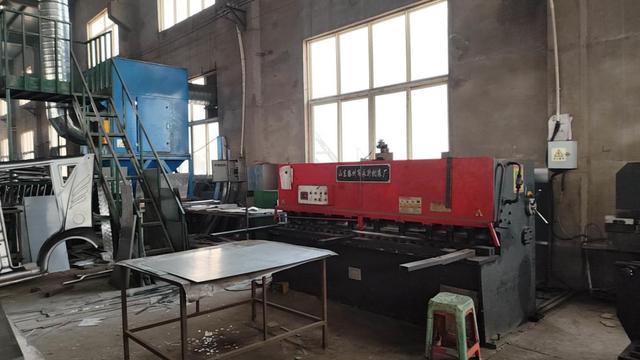
Over the years, GLHF Golf expanded its manufacturing capabilities with advanced production lines, precision assembly workshops, and strict quality control systems. The company continuously improved core technologies such as electric drivetrain efficiency, battery endurance, and vehicle safety performance. At the same time, it developed a diversified product portfolio covering passenger carts, utility carts, and customized fleet solutions for large-scale golf course operations.
Today, Ningbo GLHF Golf Co., Ltd. serves global clients with a strong commitment to innovation, durability, and energy efficiency. With ongoing investment in smart mobility systems and sustainable transportation technologies, the company aims to become a leading international supplier of electric golf cart solutions, delivering high-performance, eco-friendly vehicles for modern golf and leisure industries.
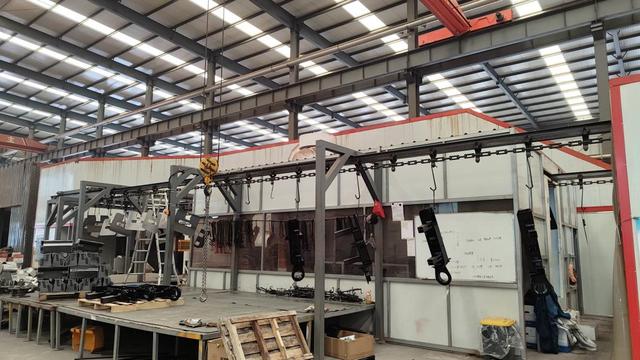
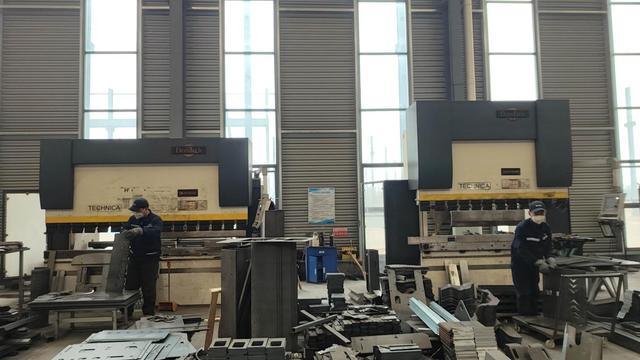
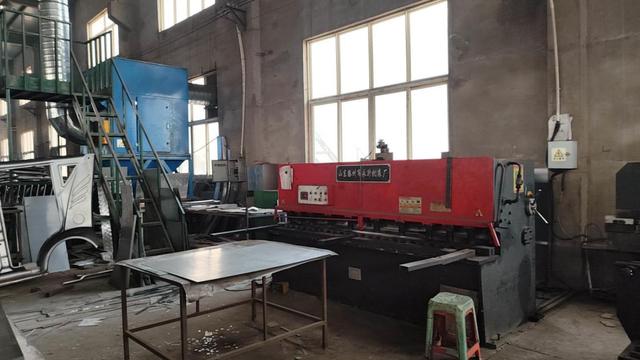
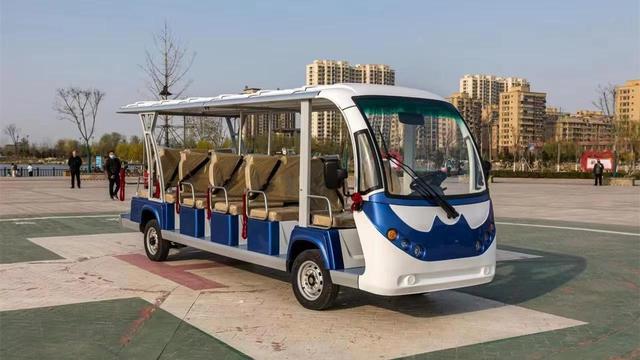

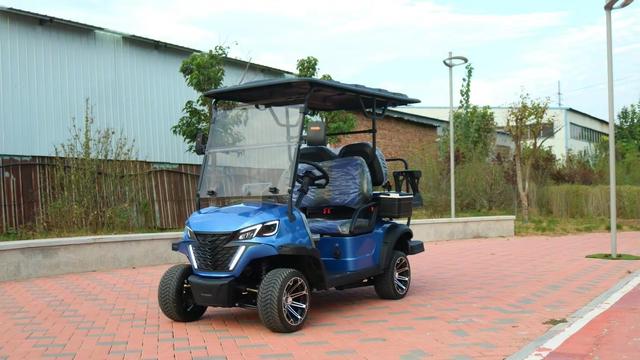
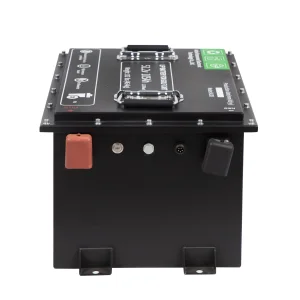
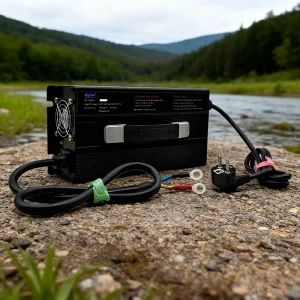
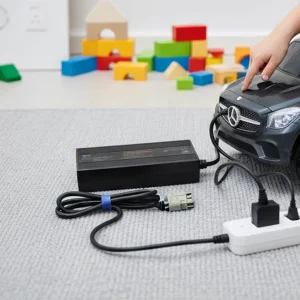
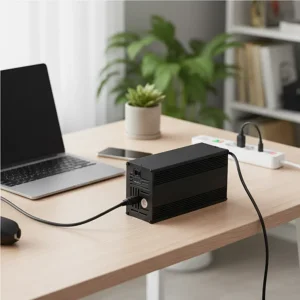
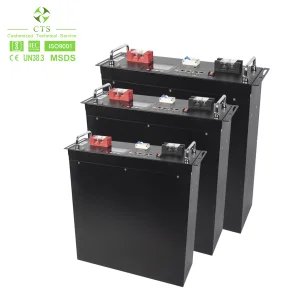
Explore our specialized modular systems engineered for complete conversion and charging infrastructure projects in Kenya and global markets.
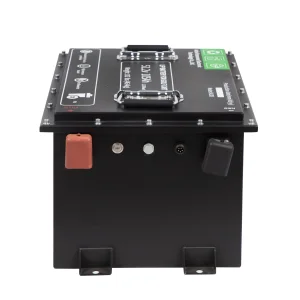
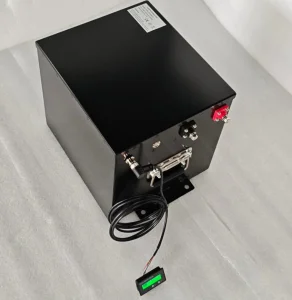
Essential technical and logistical answers for engineers, importers, and fleet managers coordinating lithium battery upgrades in Kenya.
Consult our engineering team for customized power calculations, localized grid solutions, and factory pricing schedules.
Send Inquiry Now GLHF Golf