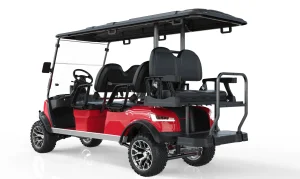
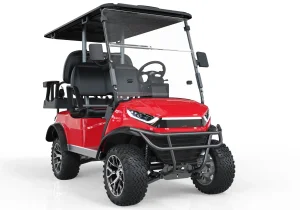
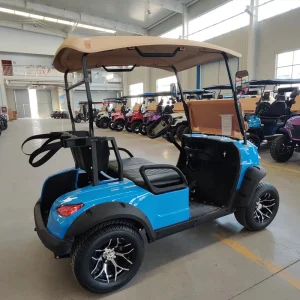
Engineered for high durability, zero-emissions operating performance, and scalable golf fleet deployments.
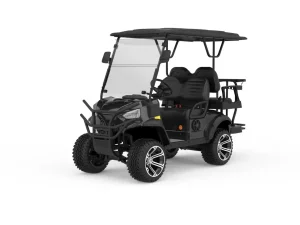
Ningbo GLHF Golf Co., Ltd. leads the engineering of advanced electric transportation and golf fleet ecosystems.
Ningbo GLHF Golf Co., Ltd. is a professional manufacturer specializing in electric golf carts and golf course mobility solutions. The company focuses on the design, development, and production of lithium and lead-acid battery-powered golf vehicles, providing reliable transportation solutions for golf courses, resorts, residential communities, hotels, and commercial facilities worldwide.
Since its establishment, GLHF Golf has built a strong foundation in electric mobility engineering and golf industry applications. In its early stage, the company concentrated on assembling basic lead-acid battery golf carts for domestic markets, gradually gaining experience in vehicle structure optimization and battery management systems. As demand for cleaner and more efficient energy solutions increased, the company entered a rapid development phase, introducing lithium battery technologies and upgrading its product line to meet international standards.
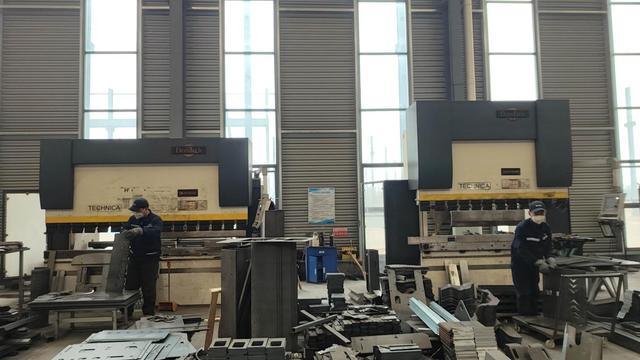
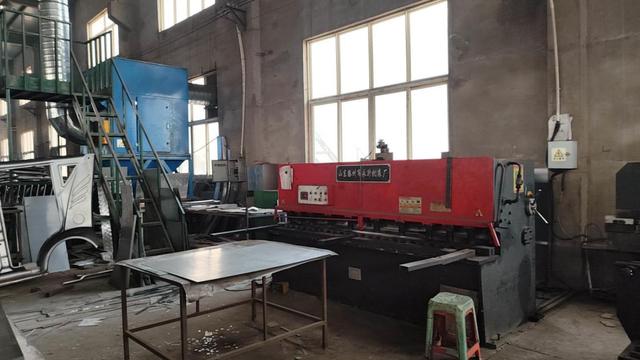
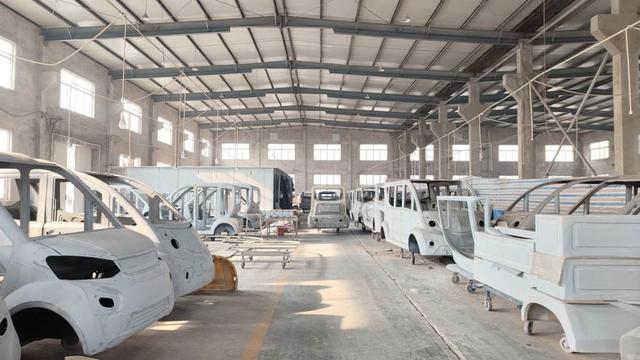
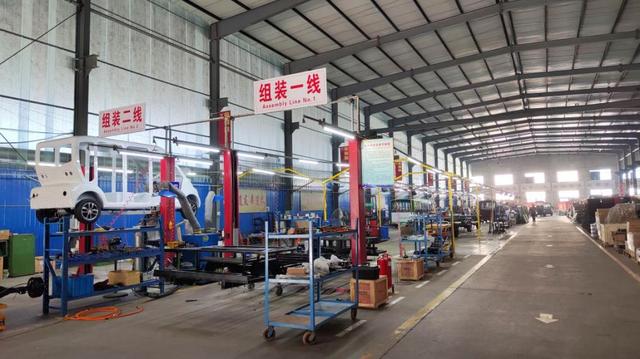
Over the years, GLHF Golf expanded its manufacturing capabilities with advanced production lines, precision assembly workshops, and strict quality control systems. The company continuously improved core technologies such as electric drivetrain efficiency, battery endurance, and vehicle safety performance. At the same time, it developed a diversified product portfolio covering passenger carts, utility carts, and customized fleet solutions for large-scale golf course operations.
Today, Ningbo GLHF Golf Co., Ltd. serves global clients with a strong commitment to innovation, durability, and energy efficiency. With ongoing investment in smart mobility systems and sustainable transportation technologies, the company aims to become a leading international supplier of electric golf cart solutions, delivering high-performance, eco-friendly vehicles for modern golf and leisure industries.
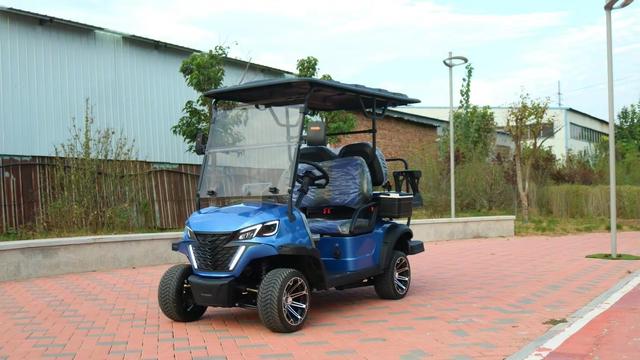
Analyzing the engineering advancements in electrification, battery chemistry, and telemetry platforms.
The global golf cart and low-speed electric vehicle (LSEV) landscape is shifting from traditional 36V and 48V direct current (DC) systems to high-performance 72V and 96V Permanent Magnet Synchronous Motor (PMSM) systems. Modern electric drivetrains yield up to 95% efficiency, reducing energy losses and thermal degradation. Ningbo GLHF’s technology roadmap prioritizes these high-torque PMSM drivetrains, which handle steep inclines (up to 30% grading) and maintain passenger comfort without placing excessive load on the electronics.
Lithium Iron Phosphate (LiFePO4) chemistry has become the benchmark for commercial fleet applications. Compared to lead-acid batteries, LiFePO4 systems deliver critical functional benefits:
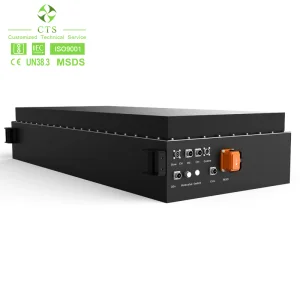
This battery development is backed by high-capacity engineering designs, such as GLHF's heavy-duty 40kWh to 60kWh automotive-grade lithium packs. These support long shift runs for large passenger shuttles and utility vehicles operating in commercial zones.
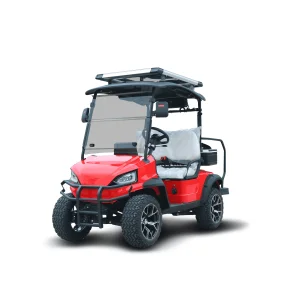
One of the most promising technological developments is the integration of solar panels into golf cart roofs. These systems use monocrystalline silicon solar cells with Conversion Efficiency ratings above 22%. They continuously trickle-charge the battery pack during operation. On a typical sunny day, this setup adds 15 km to 25 km of range, reducing grid dependencies, lowering operating costs, and extending the overall lifespan of the battery.
Providing custom transit systems tailored for commercial projects, high-volume resorts, and municipal operations.
Modern commercial transit requires specific vehicle configurations for different locations. A single standard chassis cannot support the varied needs of golf courses, high-traffic coastal resorts, heavy industrial facilities, and master-planned residential communities.
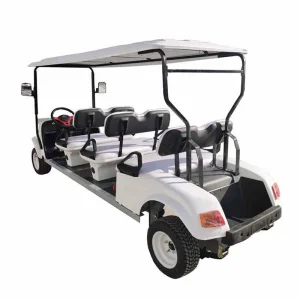
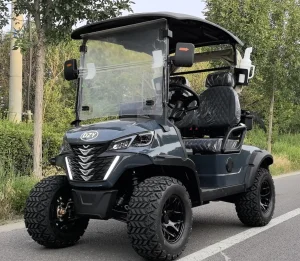
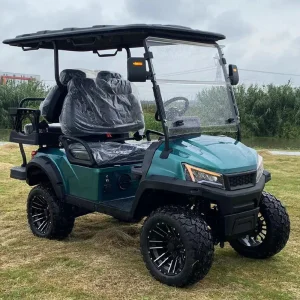
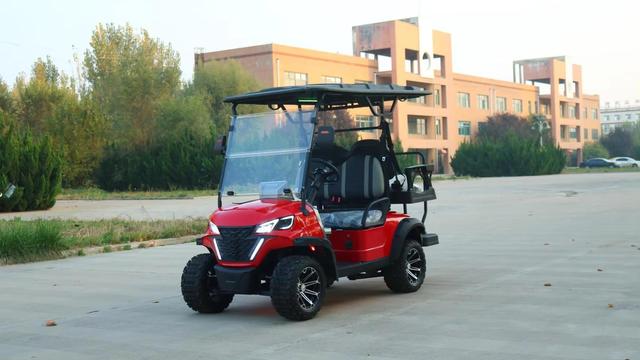
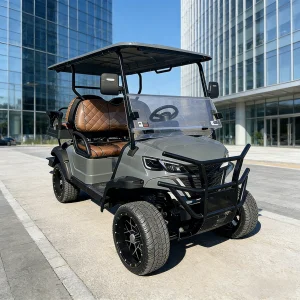
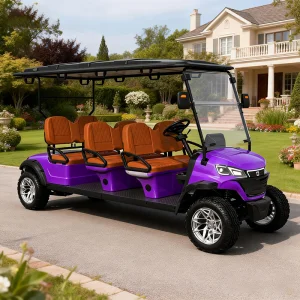
Features durable, low-maintenance 2/4-seater layouts. Built with regenerative braking, weather-proof seats, and modular fleet tracking systems to manage busy rental seasons efficiently.
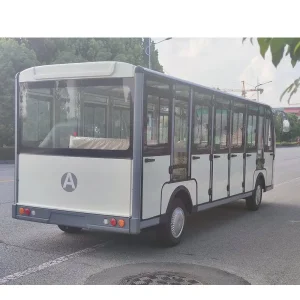
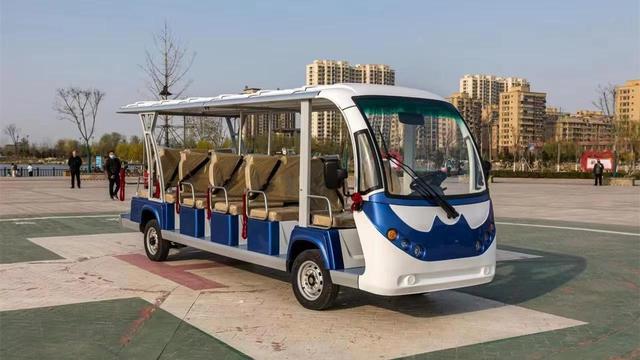
High-capacity 23-seat closed shuttle buses designed to replace loud, high-emission diesel shuttles. Keeps guest transit quiet, clean, and comfortable.
Rugged 4x4 drive systems with heavy-duty cargo boxes, independent front suspensions, and reinforced steel frames designed for farm work, ranch management, and site maintenance.
How modern automation and localized industry clusters deliver high precision and lower overall costs.
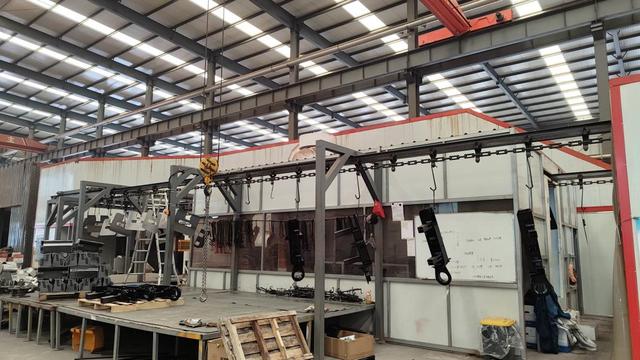
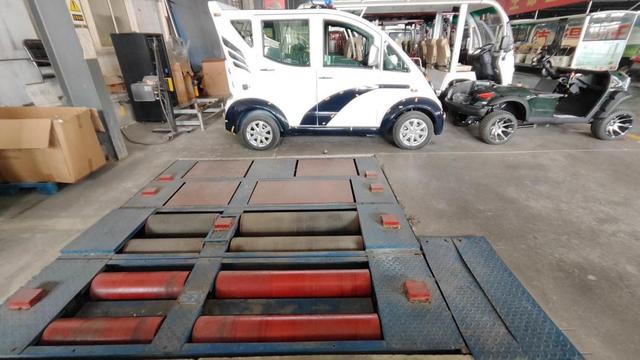
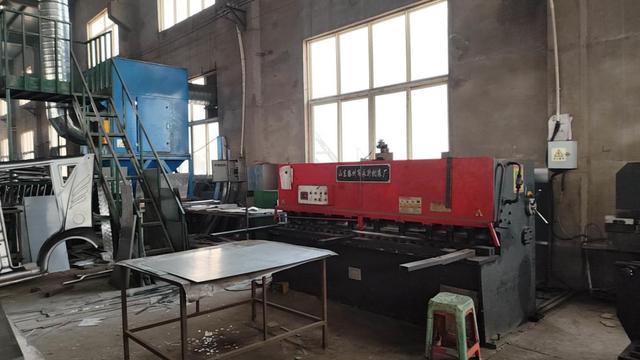
Our chassis are welded by robotic arms, ensuring high structural integrity and clean weld seams. This prevents frame failure over years of continuous load bearing.
All metal components undergo a complete electrophoretic immersion coating process. This forms a resilient protective barrier, crucial for carts operating in coastal resort areas with salt-heavy air.
Based in the Ningbo industrial zone, we source motors, controllers, transaxles, and wire harnesses from top-tier suppliers locally. This keeps lead times short and pricing competitive.
Meeting regional standards and safety regulations to ensure import readiness and street-legal operations.
Importing electric vehicles requires adherence to strict regional safety, design, and environmental rules. Different markets enforce distinct standards for low-speed electric vehicles (LSEVs):
Ningbo GLHF coordinates with global safety testing agencies (such as SGS and TÜV Rheinland) to secure certifications before shipping. Every vehicle is delivered with a complete documentation package, simplifying import customs clearance and vehicle registration processes.
Evaluating the long-term return on investment, container loading, and spare parts logistics.
For fleet buyers, purchasing decisions are guided by total cost of ownership (TCO) rather than the initial factory price. Our data indicates that lithium-ion fleet systems deliver long-term savings through several key efficiencies:
| Cost Category | Traditional Lead-Acid Fleet | Advanced LiFePO4 Fleet | Strategic Advantage |
|---|---|---|---|
| Battery Lifespan | 2 to 3 Years (approx. 500 cycles) | 7 to 10 Years (3,500+ cycles) | Eliminates 2 battery replacements |
| Daily Range Loss | 15-20% capacity fade per year | < 2% capacity fade per year | Maintains reliable all-day performance |
| Routine Maintenance | Requires water refilling & terminal cleaning | Zero ongoing maintenance required | Cuts workshop labor costs by 80% |
| Weight Impact | Heavy (180kg+ battery pack) | Lightweight (45kg-60kg pack) | Reduces turf compaction and wear |
Addressing the key questions, technical checks, and logistics concerns of global commercial buyers.
Explore our complete selection of customized low-speed passenger transport and marine battery systems.
 GLHF Golf