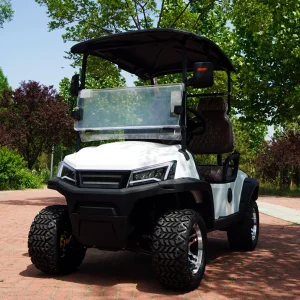
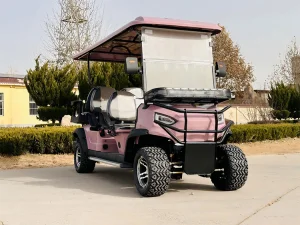
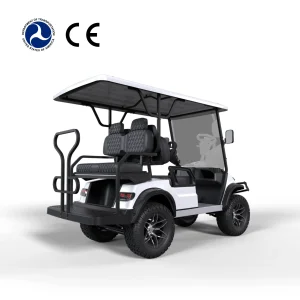
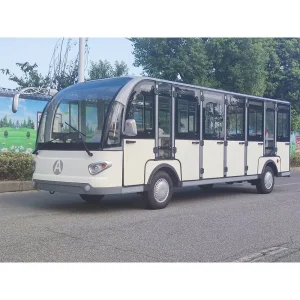

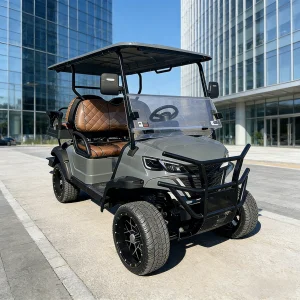
An authoritative analysis of the structural design, battery integration, and regulatory pathways governing street-legal LSVs and customizable electric golf carts.
We align engineering outputs with regional regulatory benchmarks. Every street-legal cart is engineered to meet specific DOT FMVSS 500 requirements in the US and L7e categories in Europe.
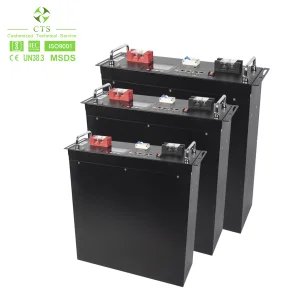
Transitioning fleets from lead-acid to customizable 48V/60V/72V LiFePO4 battery platforms with advanced battery management systems (BMS) for sustained lifetime support.
Comprehensive compliance validation, including CE, DOT, and EEC certifications. Integrated physical safety systems ensure driver security and public road authorization.
Understanding a manufacturer’s evolutionary path is key to evaluating engineering maturity. Below, the foundational narrative of GLHF highlights this transition from traditional assembly to intelligent systems design:
Ningbo GLHF Golf Co., Ltd. is a professional manufacturer specializing in electric golf carts and golf course mobility solutions. The company focuses on the design, development, and production of lithium and lead-acid battery-powered golf vehicles, providing reliable transportation solutions for golf courses, resorts, residential communities, hotels, and commercial facilities worldwide.
Since its establishment, GLHF Golf has built a strong foundation in electric mobility engineering and golf industry applications. In its early stage, the company concentrated on assembling basic lead-acid battery golf carts for domestic markets, gradually gaining experience in vehicle structure optimization and battery management systems. As demand for cleaner and more efficient energy solutions increased, the company entered a rapid development phase, introducing lithium battery technologies and upgrading its product line to meet international standards.
By leveraging regional supply chains and investing in dynamic R&D platforms, GLHF Golf has transitioned from a component assembler to a major international exporter of street-legal Low-Speed Vehicles (LSV) and heavy-duty cargo utility trucks.
Today’s procurement teams within multi-national resorts, gated properties, municipal networks, and private fleets do not simply purchase golf carts; they acquire integrated mobility solutions. The global market is shaped by several structural shifts:
For procurement officers comparing factory solutions, it is crucial to analyze structural metrics. The following table showcases technical distinctions across standard and premium customizable electric vehicle platforms:
| Specification Parameter | Standard Fleet Cart | High-Capacity LSV / Shuttle | Heavy Cargo Utility Truck |
|---|---|---|---|
| Battery Chemistry | Lead-Acid or LiFePO4 (48V) | High-Density LiFePO4 (60V/72V) | Industrial LiFePO4 (72V/100Ah+) |
| Motor Power Rating | 3.3 kW / 4.0 kW AC Brushless | 5.0 kW AC High-Torque | 7.5 kW Heavy Duty AC Motor |
| Suspension Setup | Leaf spring with hydraulic dampers | Independent double wishbone (Front) | Multi-leaf heavy duty steel spring |
| Controller | Curtis / Toyota AC Controller | Curtis AC 350A-450A Programmed | Heavy-Duty Vector Controller |
| Chassis Architecture | Welded steel with anti-rust coating | Hot-Dip Galvanized or Aluminum Tube | Reinforced high-tensile structural steel |
| Braking System | Rear drum mechanical brakes | 4-Wheel Hydraulic Disc Brakes | Hydraulic dual circuit system + park brake |
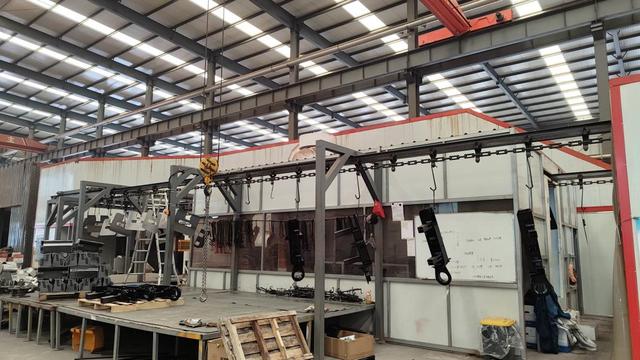
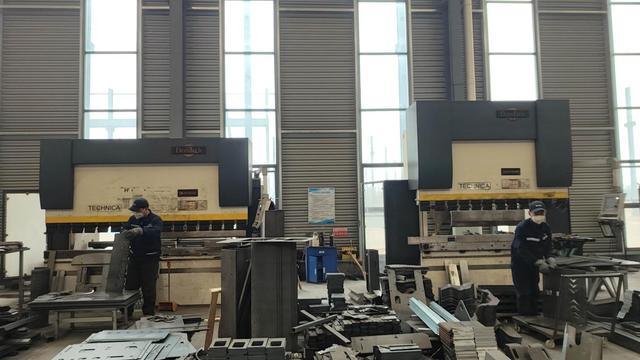
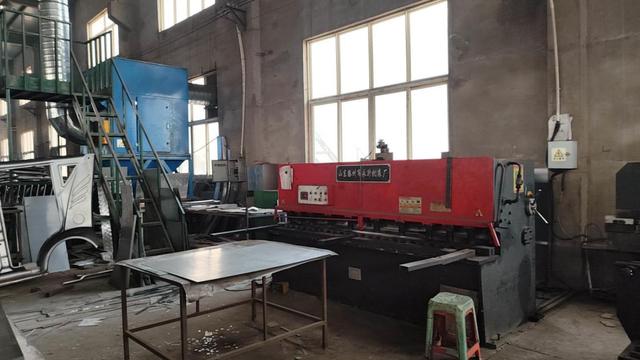
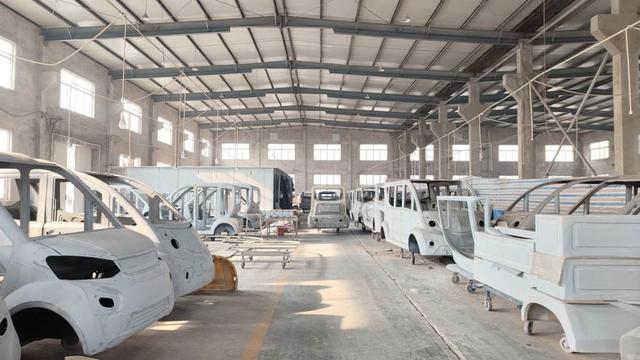
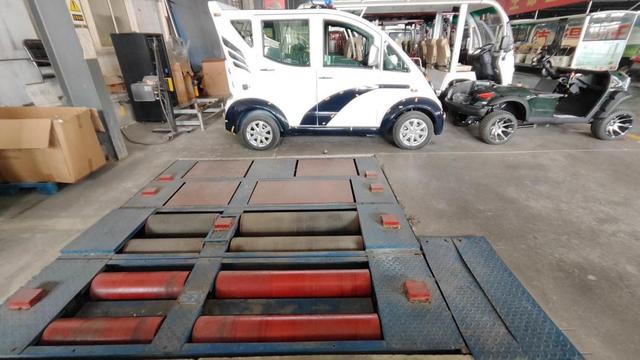
The manufacturing capabilities of GLHF Golf ensure structural integrity and compliance across our entire product line. This technical foundation underpins every vehicle we build:
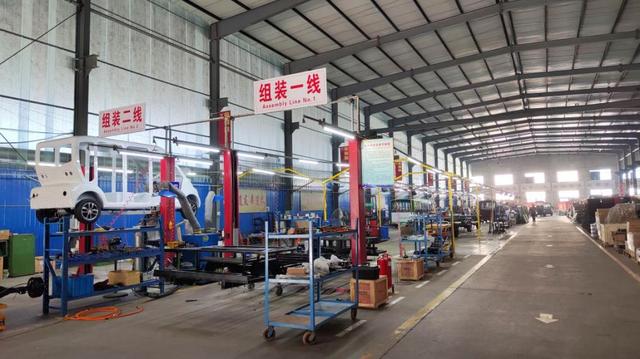
Over the years, GLHF Golf expanded its manufacturing capabilities with advanced production lines, precision assembly workshops, and strict quality control systems. The company continuously improved core technologies such as electric drivetrain efficiency, battery endurance, and vehicle safety performance. At the same time, it developed a diversified product portfolio covering passenger carts, utility carts, and customized fleet solutions for large-scale golf course operations.
Today, Ningbo GLHF Golf Co., Ltd. serves global clients with a strong commitment to innovation, durability, and energy efficiency. With ongoing investment in smart mobility systems and sustainable transportation technologies, the company aims to become a leading international supplier of electric golf cart solutions, delivering high-performance, eco-friendly vehicles for modern golf and leisure industries.
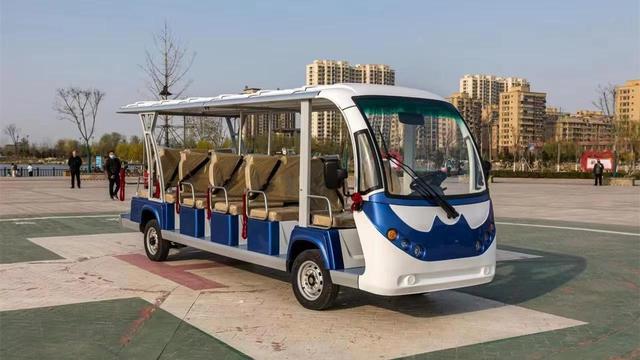
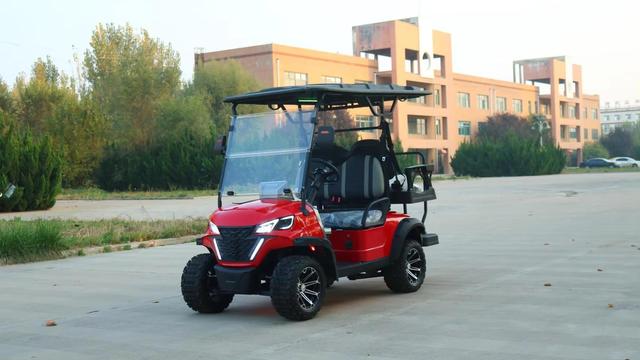
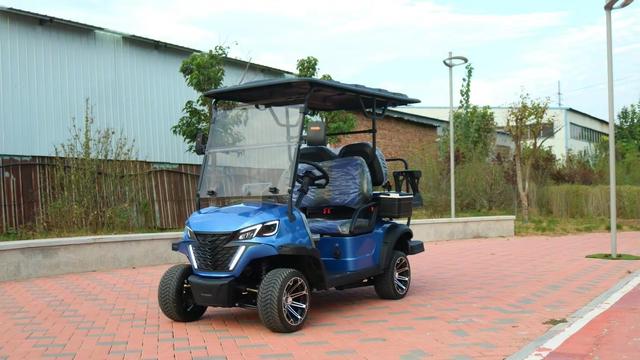
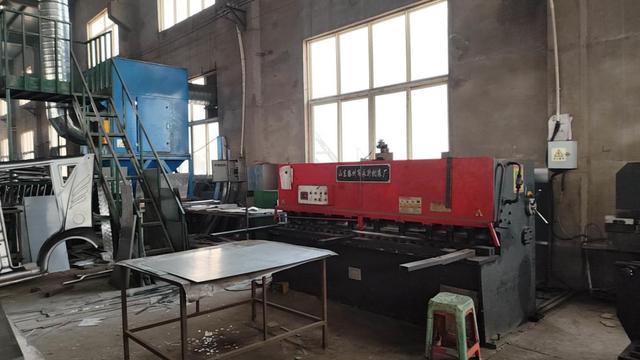
A transparent look inside our production line. These images showcase precision chassis welding, rigorous assembly, and quality control protocols.
Navigating import procedures for LSVs requires an understanding of regional safety standards. Importing non-compliant vehicles can lead to custom seizures or civil liabilities. Our systems are engineered to address these challenges:
To be street-legal in the United States, Low-Speed Vehicles (LSVs) must not exceed 25 mph (40 km/h) and must be equipped with essential safety systems. These include headlights, front and rear turn signals, taillights, stoplights, reflectors, exterior rearview mirrors, parking brakes, windshields conforming to ANSI Z26.1, three-point seatbelts, and a registered 17-digit VIN.
European Union markets categorize street-legal golf carts as light quadricycles (L6e) or heavy quadricycles (L7e). This categorization requires structural compliance in braking systems, lighting setups, electromagnetic compatibility (EMC), and sound levels to secure valid Certificate of Conformity (CoC) documentation.
Our OEM export program provides complete knock-down (CKD) or semi knock-down (SKD) options to reduce import duties. Every order includes diagnostic equipment, spare parts kits, and structured wiring diagrams, enabling local service centers to perform maintenance with minimal downtime.
Crucial insights for importers, purchasing managers, and distributors seeking fleet optimization.
A standard golf cart is designed for private turf use, often lacking complex lighting, safety restraints, and speed controls. A street-legal cart, or Low-Speed Vehicle (LSV), is certified under federal laws (such as DOT FMVSS 500 in the US or EEC L7e in the EU). It includes integrated safety features: dynamic lights, reflective mirrors, seatbelts, windshield wipers, hydraulic front brakes, and a registered 17-digit Vehicle Identification Number (VIN) for licensing.
LiFePO4 (Lithium Iron Phosphate) offers major advantages for commercial fleets. It is maintenance-free (no watering required), reduces vehicle weight by several hundred pounds (lowering turf wear and increasing mechanical life), supports opportunity charging without degradation, and delivers over 3,500 charging cycles at 80% Depth of Discharge (DoD), compared to only 500 cycles for lead-acid batteries.
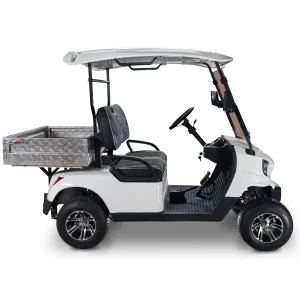
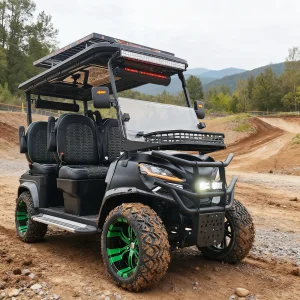
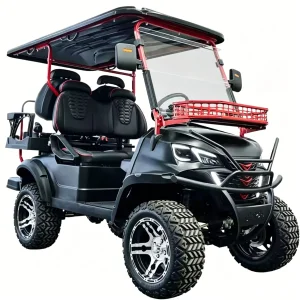
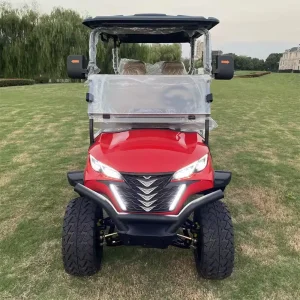
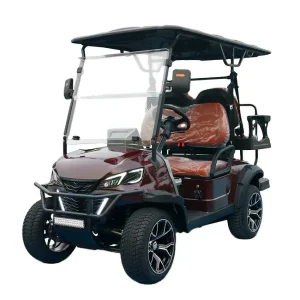
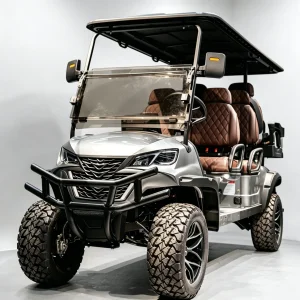
Yes, our OEM programs offer versatile configurations, including 2, 4, 6, and 8-passenger layouts, as well as customized flatbed cargo boxes. Vehicles can be tailored with flip-flop rear seat kits, heavy-duty cargo boxes, high-clearance off-road lifts, and custom branding for hotels, resorts, and industrial security applications.
Our standard warranty includes 1 year of bumper-to-bumper structural protection and 3 to 5 years for integrated lithium-ion battery configurations. Spare components, replacement controllers, and localized wiring harnesses are continuously stocked at our central hubs, ensuring quick turnaround times for international commercial fleets.
 GLHF Golf