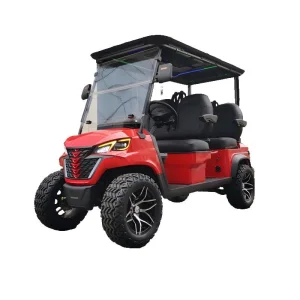
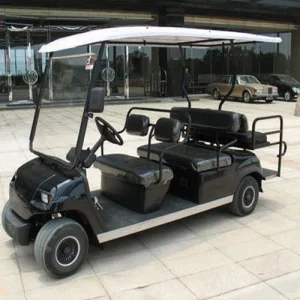
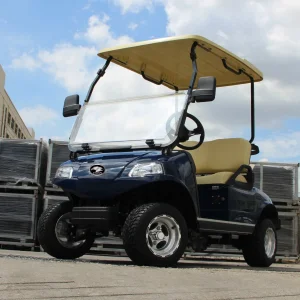
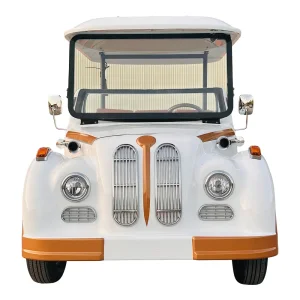
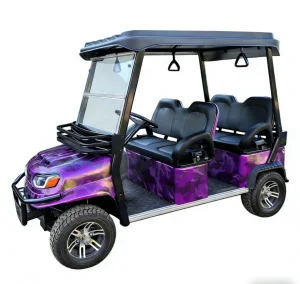
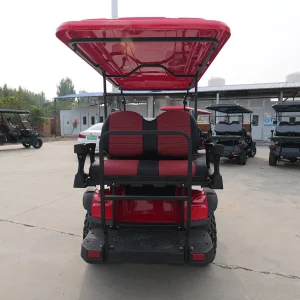
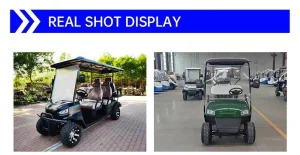
Engineered for high speed, long range, and maximum reliability under the demanding conditions of US operations.
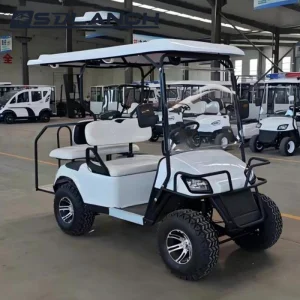
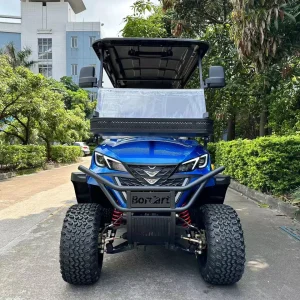
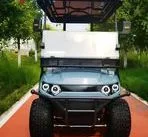
The landscape of low-speed mobility in the United States is undergoing a structural paradigm shift. Once confined exclusively to 18-hole golf courses, high-speed performance electric golf carts—technically classified under the Department of Transportation (DOT) and Federal Motor Vehicle Safety Standards (FMVSS) as Low-Speed Vehicles (LSVs)—are now integral components of localized transport infrastructure.
This market evolution is fueled by shifting demographics, master-planned gated communities (such as Peachtree City, Georgia and The Villages, Florida), eco-conscious corporate campuses, and large-scale industrial complexes that require efficient, zero-emission multi-passenger transportation. In these regions, high-speed golf carts capable of reaching 25 mph are rapidly substituting traditional secondary combustion cars for short-range commutes.
Furthermore, stringent state-level environmental regulations, such as California’s zero-emission vehicle mandates and federal tax incentives for electrified fleet assets, are pushing fleet operators and municipal managers to seek out reliable, long-lasting high-speed golf cart solutions built by trusted overseas factories conforming to strict US regulatory requirements.
A breakdown of the engineering and assembly supply chain driving modern high-speed golf carts.
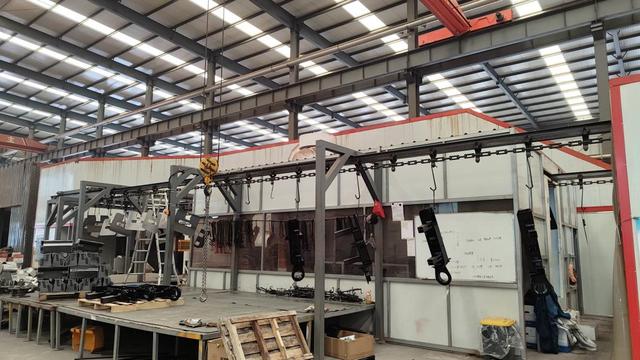
Global factories utilize advanced robotic welding arms, electrophoretic coating processes for anti-corrosion chassis management, and assembly techniques adopted directly from the automotive industry to ensure stability at high speeds.
The migration away from traditional lead-acid technology toward smart BMS-managed Lithium Iron Phosphate batteries. This shift delivers 3x the cycle life, rapid charging capabilities, and significant weight reduction for optimized agility.
Equipped with highly efficient 4kW to 7.5kW AC induction motors and programmable controllers (like Curtis or KDS). These drivetrains ensure predictable power distribution, downhill speed control, and regenerative braking.
A golf cart travelling at 15 mph exhibits vastly different kinetic dynamics than an LSV traveling at 25–30 mph. High-speed performance demands front and rear hydraulic disc brakes, independent double A-arm front suspensions, reinforced roll cages, and DOT-certified tires. Designing for the US market requires adhering closely to these engineering demands to ensure passenger safety and legal compliance on public roads.
As the low-speed vehicle market integrates deeper into regional transport matrices, the engineering standards must keep pace. The roadmap highlights several clear trends dominating the industry:
Modern commercial fleet managers in the US require real-time geo-fencing, speed limitation by zone, battery state-of-health tracking, and remote locking mechanisms. Future platforms integrate standard CAN-bus architectures to easily load cellular-connected IoT devices directly from the factory floor.
With high-speed carts sharing lanes with passenger cars in suburban areas, integrated backup cameras, blind-spot monitoring, ultrasonic parking sensors, and three-point seatbelt restraint systems are quickly moving from premium custom options to standard assembly requirements.
Consumer expectations for golf carts have risen dramatically. Vehicles are now routinely ordered with built-in digital infotainment center screens (running CarPlay or Android Auto equivalents), premium marine-grade marine vinyl seating with custom density layers, and advanced thermal cabins containing integrated air-conditioning systems.
Pioneering manufacturers are transitioning to 100% recyclable thermoplastic bodies, aluminum alloy frames, and clean assembly methodologies that reduce carbon intensity scores. This helps US corporations achieve strict Scope 3 emission targets.
Beyond personal transport, custom high-speed utility carts solve complex logistical hurdles. Let’s evaluate the primary industrial verticals:
Ningbo GLHF Golf Co., Ltd. is a professional manufacturer specializing in electric golf carts and golf course mobility solutions. The company focuses on the design, development, and production of lithium and lead-acid battery-powered golf vehicles, providing reliable transportation solutions for golf courses, resorts, residential communities, hotels, and commercial facilities worldwide.
Since its establishment, GLHF Golf has built a strong foundation in electric mobility engineering and golf industry applications. In its early stage, the company concentrated on assembling basic lead-acid battery golf carts for domestic markets, gradually gaining experience in vehicle structure optimization and battery management systems. As demand for cleaner and more efficient energy solutions increased, the company entered a rapid development phase, introducing lithium battery technologies and upgrading its product line to meet international standards.
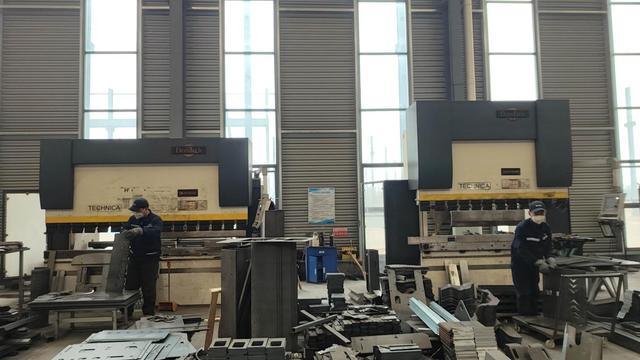
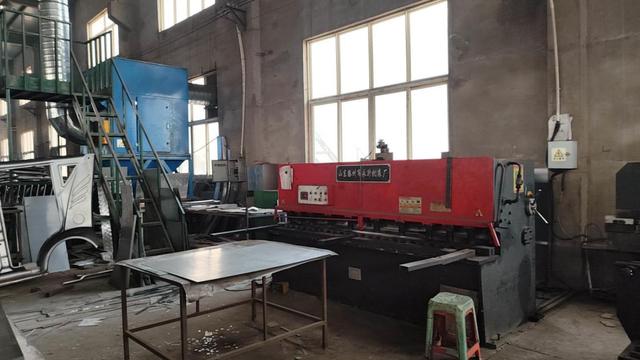
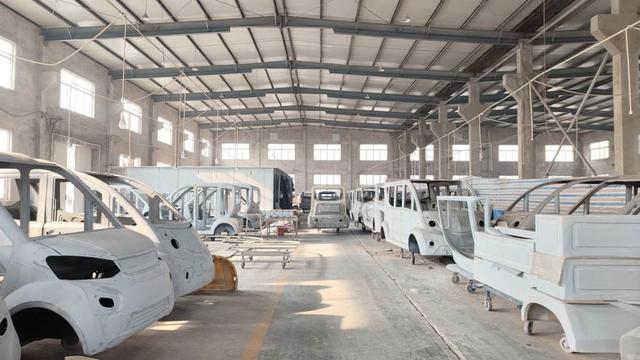
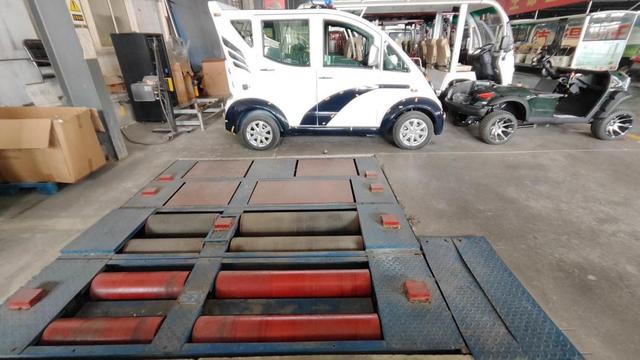
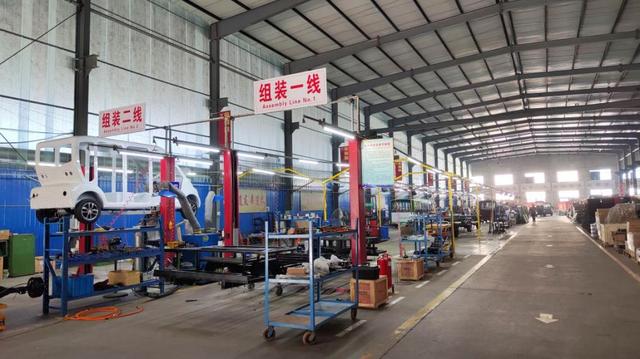
Over the years, GLHF Golf expanded its manufacturing capabilities with advanced production lines, precision assembly workshops, and strict quality control systems. The company continuously improved core technologies such as electric drivetrain efficiency, battery endurance, and vehicle safety performance. At the same time, it developed a diversified product portfolio covering passenger carts, utility carts, and customized fleet solutions for large-scale golf course operations.
Today, Ningbo GLHF Golf Co., Ltd. serves global clients with a strong commitment to innovation, durability, and energy efficiency. With ongoing investment in smart mobility systems and sustainable transportation technologies, the company aims to become a leading international supplier of electric golf cart solutions, delivering high-performance, eco-friendly vehicles for modern golf and leisure industries.
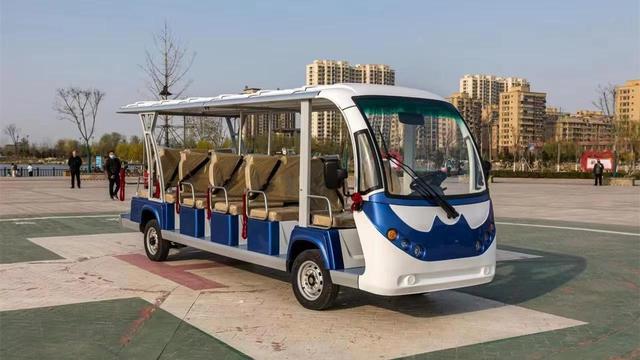
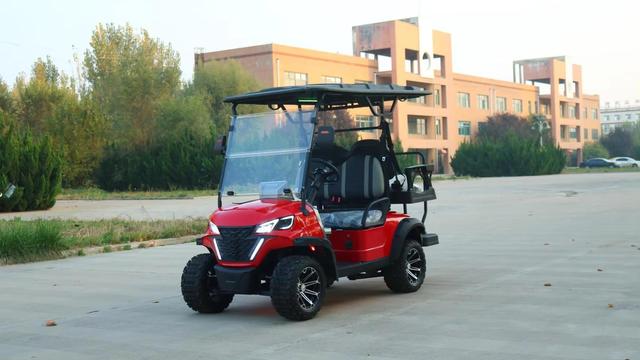
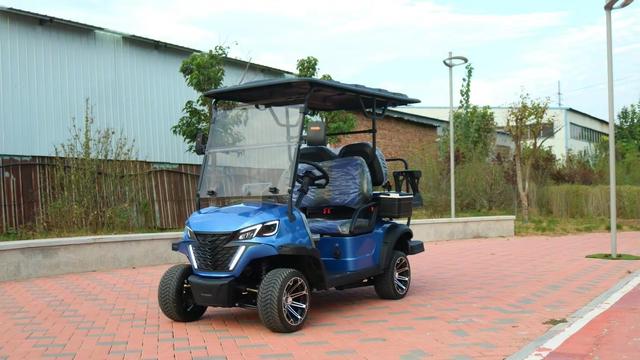
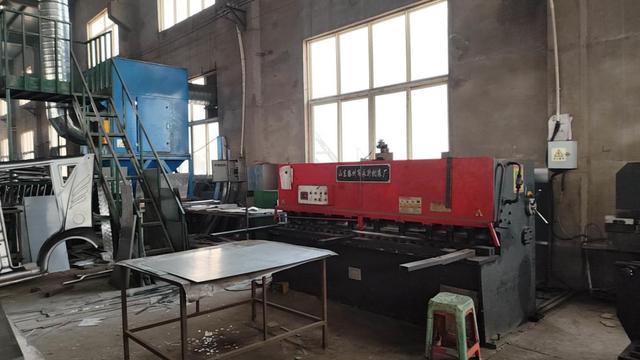
Every cart built for the United States market undergoes rigorous performance and safety audits at our state-of-the-art facility:
In-depth responses to procurement, compliance, and engineering queries regarding high-speed golf carts.
Choose from our comprehensive list of high-speed passenger, utility, and customizable fleet models built for long range and maximum uptime.
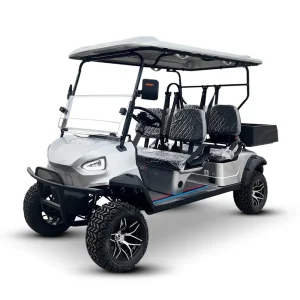
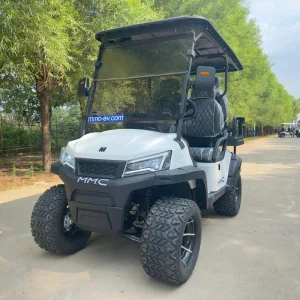
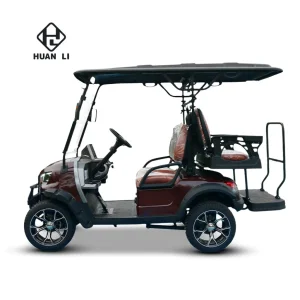
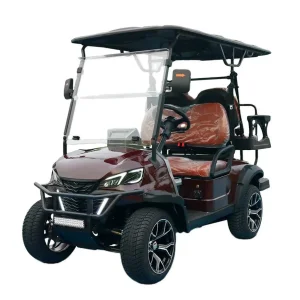
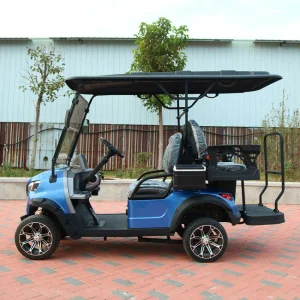
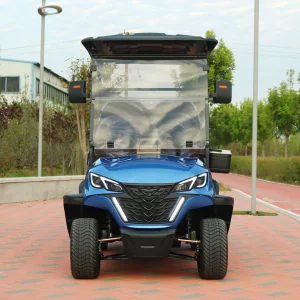
Connect with our expert application engineers to configure the optimal battery chemistry, drivetrain power rating, and safety package for your specific local requirements.
 GLHF Golf