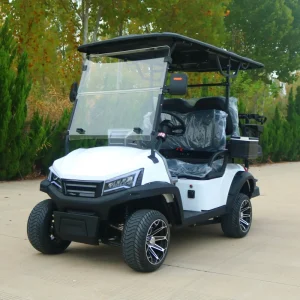
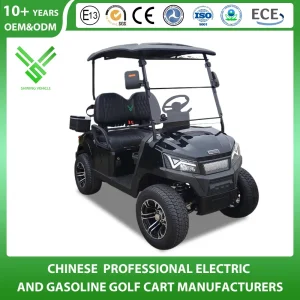
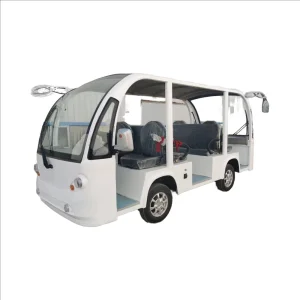
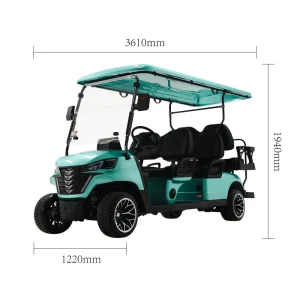
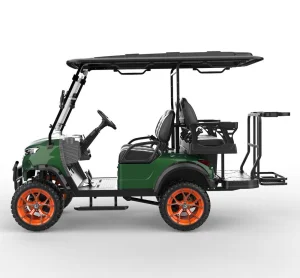
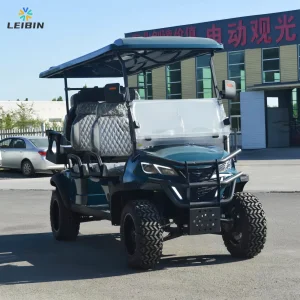
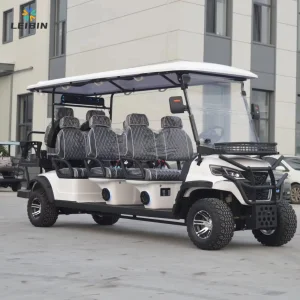
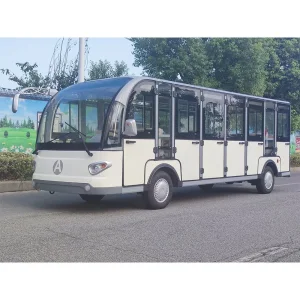
The global demand for specialized electric vehicles has shifted dramatically from simple on-course recreational use to complex off-highway municipal, commercial, and industrial operations. Historically, a golf buggy was defined purely by its sports applications. However, modern urban planning, eco-resort expansions, large-scale industrial complexes, and airport logistics now depend on highly reliable Low-Speed Vehicles (LSVs) equipped with robust structural canopies. The canopy has evolved from a basic fabric sunshade into a multi-functional system that supports solar integration, rainwater management, passenger safety framing, and localized aerodynamics.
In regions such as North America, Europe, and the Middle East, environmental mandates and carbon-neutral policies are steering fleet buyers away from combustion engines. The market dictates that new purchases must utilize high-efficiency energy cells, principally Lithium Iron Phosphate (LiFePO4), coupled with intelligent drivetrains. A golf cart with a canopy is no longer just a luxury; it is a vital operational tool that ensures passenger comfort and security under extreme weather conditions, including intense solar radiation and sudden tropical downpours.
Luxury resorts and VIP hotels require silent, zero-emission transportation that preserves environmental aesthetics while delivering premium passenger comfort. Dual-canopy configurations and extended seating capacities are crucial for guests.
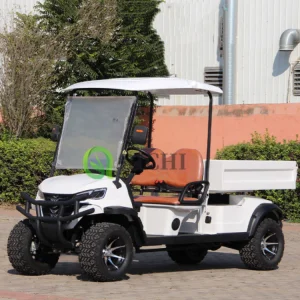
Heavy-duty utility carts with durable ABS or aluminum canopies and cargo dump beds facilitate material handling and personnel shuttle services across vast manufacturing complexes and airports safely and efficiently.
Municipalities globally are licensing street-legal electric golf buggies with integrated canopies for last-mile public transit, gated community mobility, and historical sightseeing operations.
China's dominance in the electric vehicle (EV) sector extends deeply into low-speed mobility options. Industrial clusters in East China—particularly around Ningbo and Zhejiang province—offer unparalleled efficiency advantages that translate directly into cost savings and technical innovation for global buyers. Modern Chinese manufacturing leverages integrated supply chains that source raw materials, advanced controllers, precision electric motors, and state-of-the-art battery management systems (BMS) within a small geographic radius.
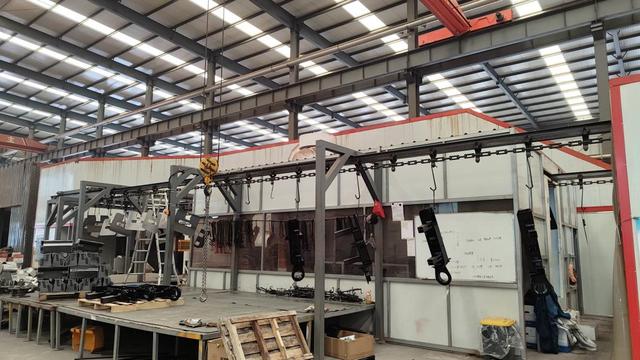
This geographic concentration reduces transportation lead times and facilitates seamless customization (OEM/ODM). In a Ningbo factory, a custom golf cart with canopy goes through robotic chassis welding, electrophoretic paint deposition (preventing rust in coastal resort environments), and rigorous vibration and weather testing within a single facility. These processes guarantee that vehicles meet strict international quality criteria such as the CE Certification and EEC compliance.
| Manufacturing Metric | Ningbo, China Factory Standard | Western OEM Standard | Global B2B Value Benefit |
|---|---|---|---|
| Lead Time (Standard Fleet) | 15 - 25 Days | 45 - 90 Days | Rapid inventory rotation and quick project execution |
| OEM Customization Scope | Chassis, Motor, Paint, Canopy, Battery, Solar | Limited packages, high custom fees | Tailored solutions matching specific commercial projects |
| Battery Pack Integration | LiFePO4 with smart Bluetooth BMS standard | Often Lead-Acid baseline, expensive Lithium upgrades | Extended vehicle operational lifetime, lower TCO |
| Anti-Rust Treatment | Electrophoretic coating + Aluminum structural components | Standard powder coating | High resistance to salty air in tropical marine resorts |
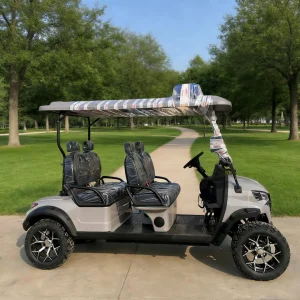
The engineering behind a golf cart canopy is far more complex than simply attaching a plastic roof. In high-wind areas, coastal resorts, or heavy agricultural sites, the canopy must act as an aerodynamic shield and a protective shell. Our factories use high-impact, UV-stabilized ABS (Acrylonitrile Butadiene Styrene) or long-lasting fiber-reinforced polymers (FRP). These materials prevent warping under temperatures exceeding 50°C and maintain structural integrity during cold winter operations.
Moreover, modern canopies feature built-in drainage channels that guide rainwater away from the vehicle interior and directly down the hollow structural pillars. This keeps passengers dry and protects the electronic dashboards below. In recent developments, our engineers have successfully integrated flexible, monocrystalline solar panels directly into the curvature of the canopy. This design feeds clean energy back into the lithium batteries, increasing operational range by up to 25% on sunny days.
Unlike rigid solar panels, our canopy-integrated flexible solar systems match the aerodynamic shape of the vehicle, offering continuous charging without adding wind resistance or compromising the style of the cart.
Constructed from lightweight, heavy-duty aluminum or carbon steel treated with anti-corrosive coatings, our canopy support structures are built to withstand high-velocity wind loads in open coastal environments.
Designed with integrated track systems, the canopies easily accommodate heavy-duty weather enclosures, transparent wind protection panels, and storage systems, adapting to shifting seasonal requirements.
Ningbo GLHF Golf Co., Ltd. is a professional manufacturer specializing in electric golf carts and golf course mobility solutions. The company focuses on the design, development, and production of lithium and lead-acid battery-powered golf vehicles, providing reliable transportation solutions for golf courses, resorts, residential communities, hotels, and commercial facilities worldwide.
Since its establishment, GLHF Golf has built a strong foundation in electric mobility engineering and golf industry applications. In its early stage, the company concentrated on assembling basic lead-acid battery golf carts for domestic markets, gradually gaining experience in vehicle structure optimization and battery management systems. As demand for cleaner and more efficient energy solutions increased, the company entered a rapid development phase, introducing lithium battery technologies and upgrading its product line to meet international standards.
Over the years, GLHF Golf expanded its manufacturing capabilities with advanced production lines, precision assembly workshops, and strict quality control systems. The company continuously improved core technologies such as electric drivetrain efficiency, battery endurance, and vehicle safety performance. At the same time, it developed a diversified product portfolio covering passenger carts, utility carts, and customized fleet solutions for large-scale golf course operations.
Today, Ningbo GLHF Golf Co., Ltd. serves global clients with a strong commitment to innovation, durability, and energy efficiency. With ongoing investment in smart mobility systems and sustainable transportation technologies, the company aims to become a leading international supplier of electric golf cart solutions, delivering high-performance, eco-friendly vehicles for modern golf and leisure industries.
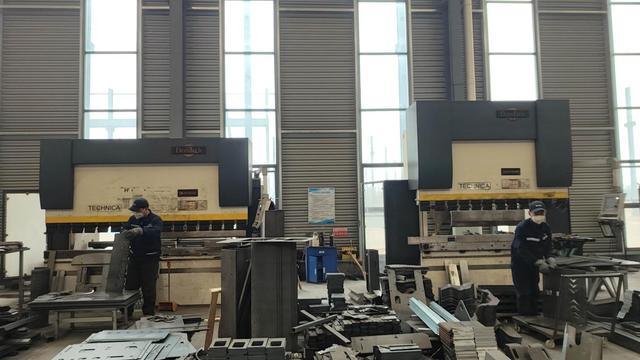
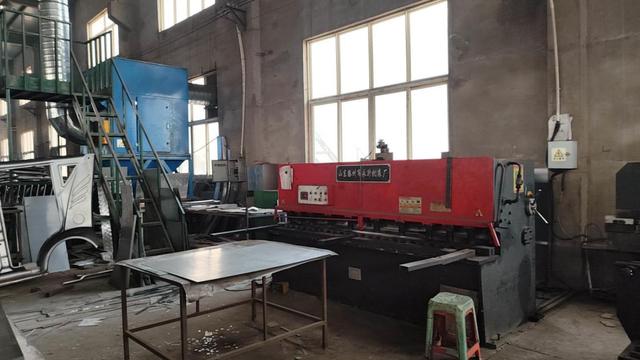
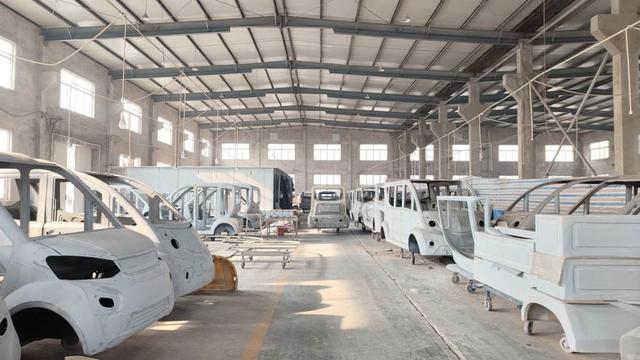
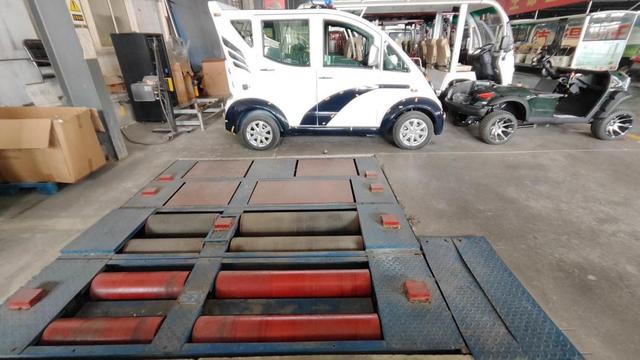
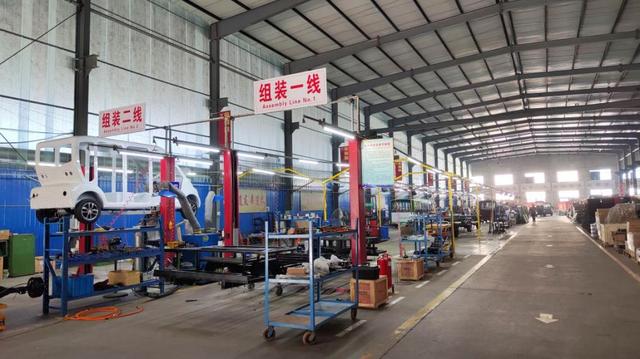
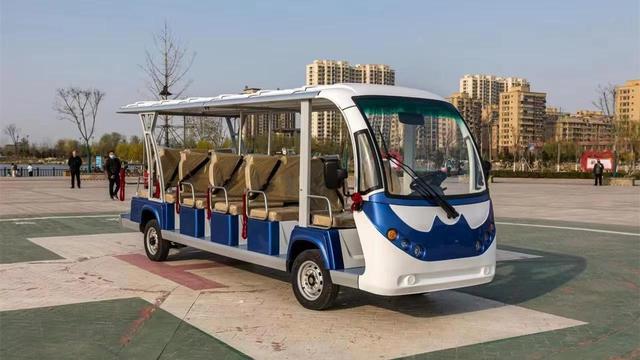
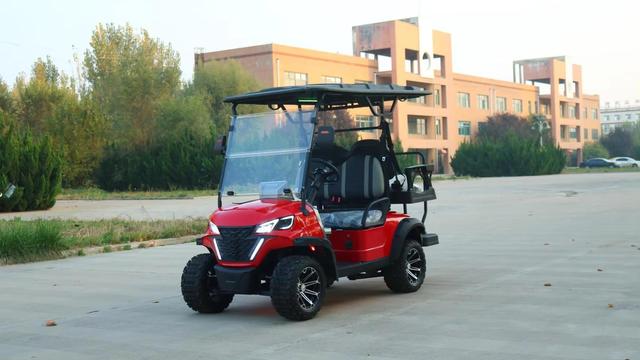
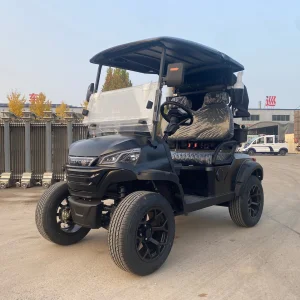
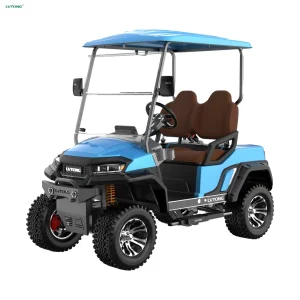
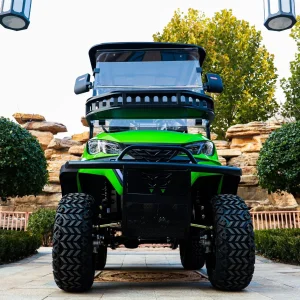
Take a closer look at our advanced engineering floor, precision testing, and finished inventory. We prioritize clean production floors, automated assembly, and strict quality control to deliver premium low-speed vehicles globally.
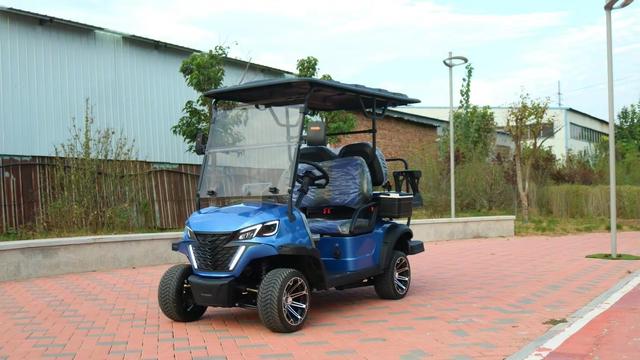
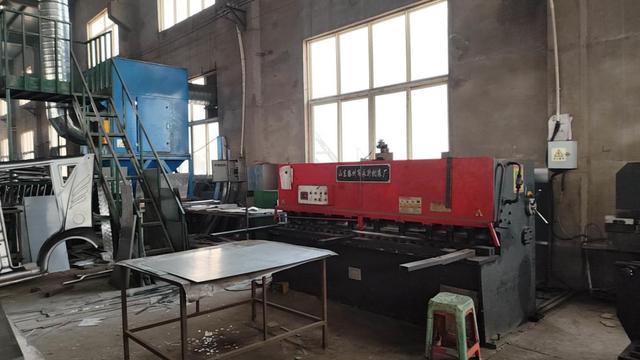
Procuring a fleet of commercial electric golf buggies with canopies requires thorough technical verification to ensure compatibility with local laws, environmental parameters, and operational budgets. Based on Google's Search Quality Guidelines and industry benchmarks, we have compiled the core checklist that procurement managers must evaluate:
For hilly resorts, rugged terrains, and multi-passenger vehicles (6+ seats), a 5000W AC motor or 7.5kW brushless motor is critical to maintaining a reliable speed of 30-50 km/h under maximum load without overheating the controller.
B2B fleets must transition to LiFePO4 lithium batteries due to their 3500+ charge cycle life, zero maintenance requirements, and lower weight. Always verify the inclusion of an integrated battery management system (BMS) with Bluetooth diagnostics.
Ensure the supplier provides CE certificates, EEC documentation, or DOT compliance to facilitate registration as a street-legal Low-Speed Vehicle (LSV) in municipal environments.
Lithium-ion batteries (specifically LiFePO4) offer three times the lifespan of lead-acid options (up to 10 years of operational life). They are maintenance-free, require no water refills, charge 50% faster, and weigh approximately 150 kg less. This weight reduction significantly decreases tire wear and turf damage while extending the vehicle's single-charge range.
Yes. High-quality Chinese factories can integrate flexible monocrystalline solar cells directly into the curve of the ABS or carbon-fiber canopy. These panels generate auxiliary trickle charges, extending battery life during day operations and reducing the frequency of plug-in charging cycles.
Vehicles can be shipped either CKD (Completely Knocked Down) to maximize container space (reducing shipping costs by up to 40%) or SKD (Semi-Knocked Down) for quick assembly. We provide comprehensive step-by-step videos and technical support to make assembly at destination warehouses straightforward.
Absolutely. All structural steel components undergo electrophoretic painting (e-coating), and we utilize aluminum chassis frames for premium models. This prevents oxidation and rust from salt spray in coastal and high-humidity environments.
Yes, we construct vehicles to meet LSV (Low-Speed Vehicle) standards. They can be outfitted with three-point seat belts, headlights, turn signals, horn, mirrors, and hydraulic brake systems, making them eligible for municipal registration where local laws permit.
 GLHF Golf