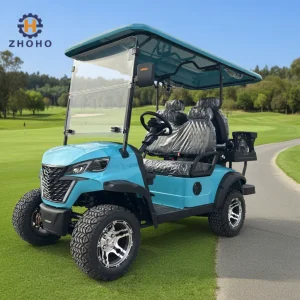
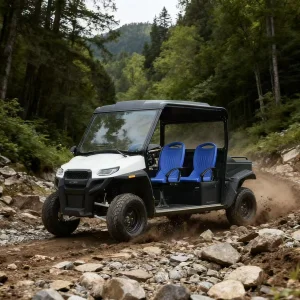
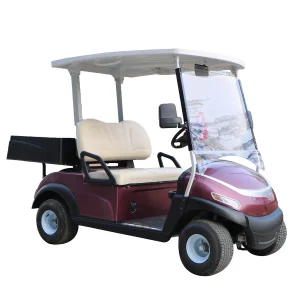
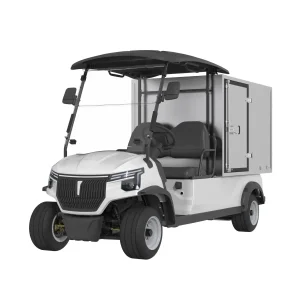
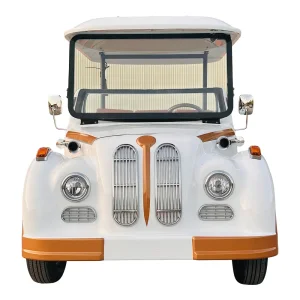
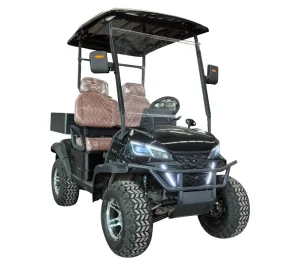
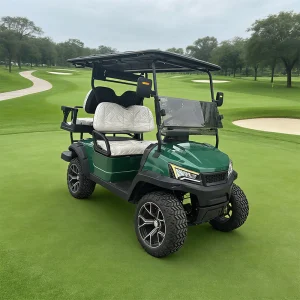
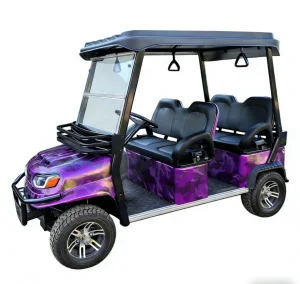
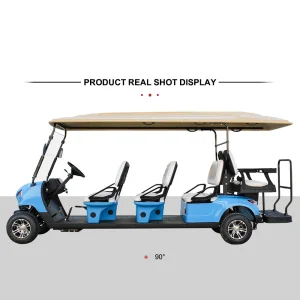
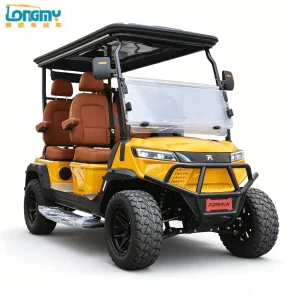
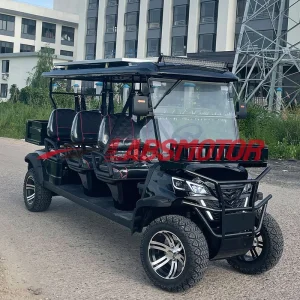
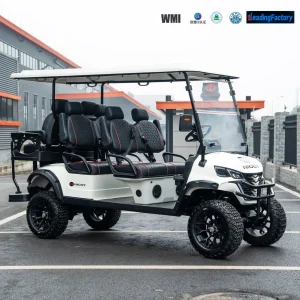
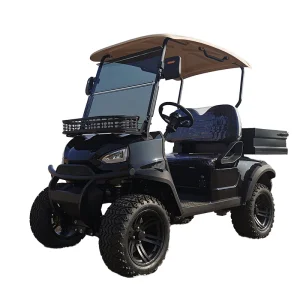
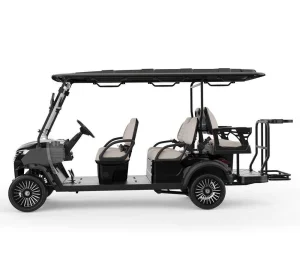
In the rapidly evolving landscape of green transportation, Ningbo GLHF Golf Co., Ltd. stands at the forefront as a professional manufacturer specializing in electric golf carts and solar-integrated mobility solutions. With the global push toward Net-Zero emissions, the integration of solar technology into golf cart fleets has transitioned from a luxury feature to a strategic industrial necessity. Ningbo GLHF focuses on the design, development, and production of both lithium and lead-acid battery-powered golf vehicles, providing reliable transportation solutions for golf courses, luxury resorts, residential communities, and commercial facilities worldwide.
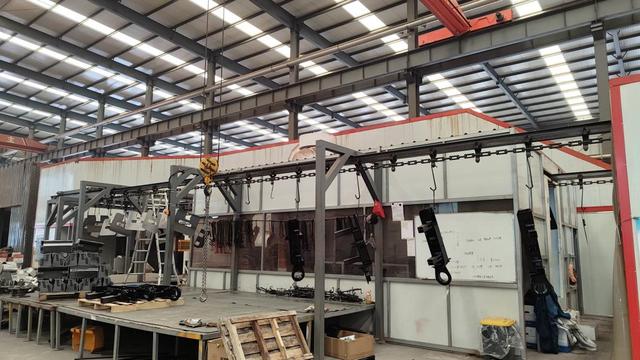
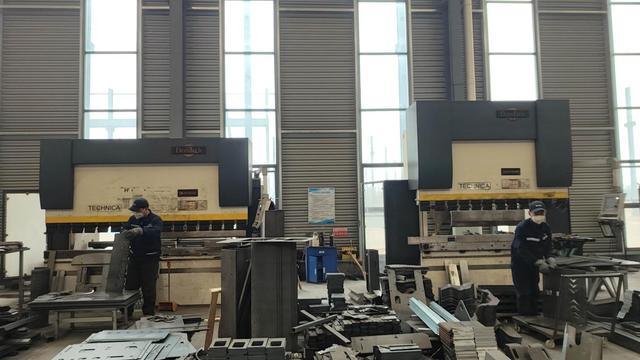
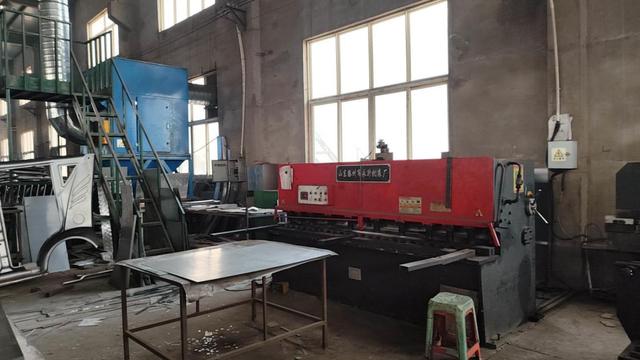
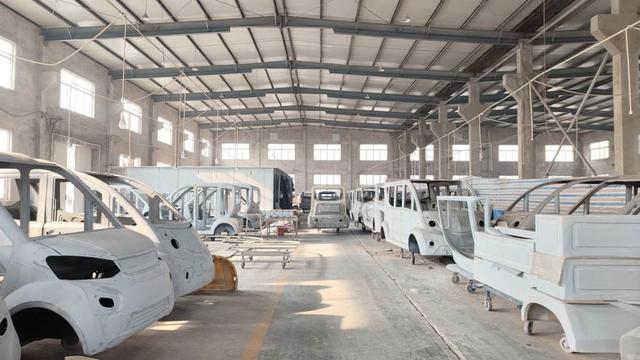
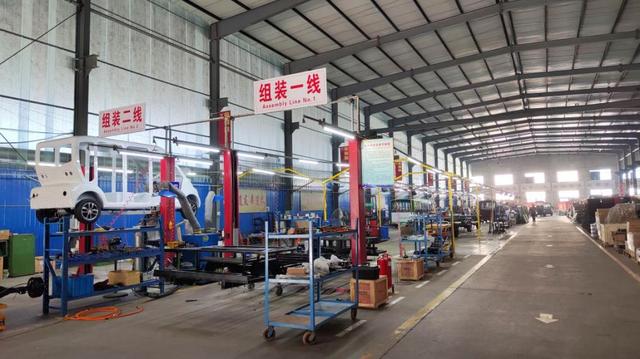
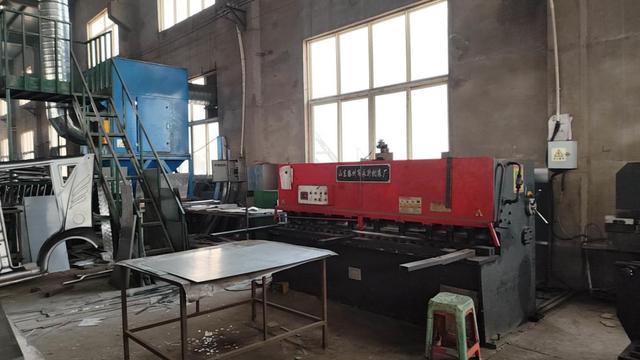
Since its establishment, GLHF Golf has built a robust foundation in electric mobility engineering. Initially focused on domestic markets with lead-acid systems, the company’s evolutionary roadmap saw a rapid transition into lithium-ion technologies and high-efficiency photovoltaic (PV) integration. Today, as a leading exporter, the company leverages precision assembly workshops and stringent quality control systems to ensure that every vehicle meets international standards for safety, durability, and energy yield.
Utilizing high-torque AC motor systems and advanced controller algorithms to handle slopes up to 25% with ease, ensuring consistent performance in hilly terrains.
Proprietary thin-film solar roof panels that provide a continuous trickle charge, extending battery life by 25% and reducing grid dependency significantly.
Sophisticated Battery Management Systems that monitor cell health in real-time, preventing overcharge and optimizing discharge cycles for 10+ years of longevity.
The solar golf cart market is no longer limited to the 18-hole fairway. We are witnessing a macro-industrial shift where solar-powered low-speed vehicles (LSVs) are becoming the backbone of internal logistics in smart cities, airport terminals, and expansive industrial campuses. Solar golf carts offer a unique "Information Gain" in terms of operational efficiency: by generating power while parked or in motion, they minimize the "Down-Time ROI" lost during traditional plug-in charging cycles.
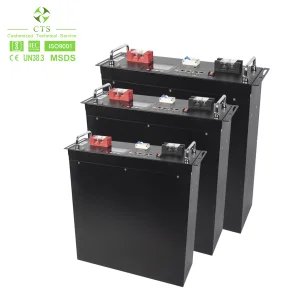
For large-scale resort operations, the implementation of a solar-integrated fleet represents a significant reduction in Scope 2 carbon emissions. By utilizing Ningbo GLHF’s customized fleet solutions, operators can achieve an estimated 35% reduction in annual electricity costs associated with fleet maintenance. Furthermore, the integration of Cts 10kwh 48V LiFePO4 solar energy battery systems allows for off-grid operation in remote eco-resorts where infrastructure development is restricted.
Navigating the legalities of low-speed vehicles requires deep expertise in regional regulations. Ningbo GLHF ensures that its export models, such as the Lvtong Electric 4x4 and Street Legal series, adhere to the stringent requirements of international markets:
Our localized support extends beyond compliance. We provide a "Whitepaper Depth" approach to after-sales service, offering remote diagnostic tools and modular spare part kits that empower local distributors to maintain 99% fleet uptime.
The future of solar golf carts lies in the convergence of PV-Efficiency and Autonomous Navigation. GLHF is currently researching the integration of high-efficiency Monocrystalline Silicon cells with Perovskite coating to increase solar conversion rates above 28%.
Integration of IoT modules for fleet tracking, geofencing, and predictive maintenance alerts via cloud-based platforms.
Transitioning from liquid electrolytes to solid-state systems to double energy density and eliminate fire risks.
Vehicle-to-Grid technology allowing golf cart fleets to act as mobile energy storage units for resort microgrids during peak demand.
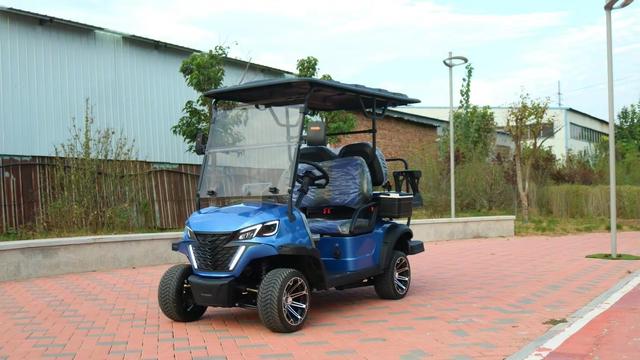
On average, a high-efficiency solar roof panel can add 5-10 miles (8-16 km) of range per day depending on sunlight intensity. Over a month, this significantly reduces the frequency of plug-in charging and extends battery lifecycle.
Yes, we offer specific "Street Legal" configurations that include necessary safety features such as headlamps, turn signals, mirrors, seat belts, and hydraulic brakes, complying with DOT and EEC standards.
Our LiFePO4 systems are rated for over 3,000 charge cycles, which typically equates to 8-10 years of daily use, compared to the 3-year average of traditional lead-acid batteries.
Our carts are designed with IP65-rated electrical components and rust-resistant steel or aluminum chassis, making them suitable for coastal resorts and rainy environments.
 GLHF Golf