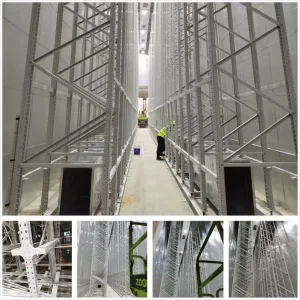
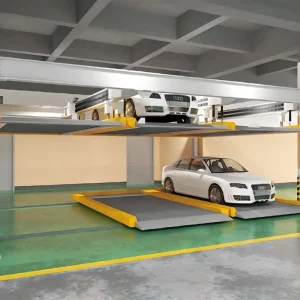
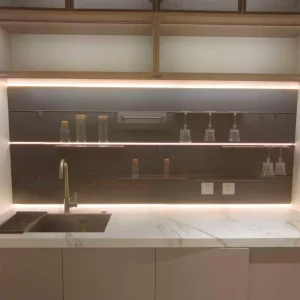
Optimized configurations engineered for the Central European market, facilitating rapid deployment and sustainable energy transitions.
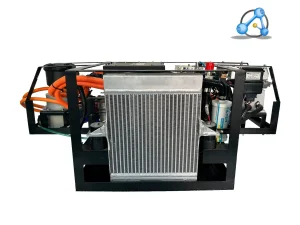
As the European Union intensifies its transition toward climate-neutral operations, Poland has emerged as a central hub for industrial innovation and ecological transportation modernization. In Poland, the demand for modular electric fleet solutions is no longer restricted to traditional recreational venues. It has expanded rapidly into smart cities, luxury eco-resorts along the Baltic Coast, industrial logistics hubs in Upper Silesia, and historical pedestrian zones in Warsaw, Kraków, and Gdańsk.
Ningbo GLHF Golf Co., Ltd. is at the forefront of this revolution. As a premier designer and exporter of folding modular golf cart systems, we engineer solutions that specifically address European parameters. Modular structures present a unique combination of high transit load capacities, reduced shipping footprints, and adaptive chassis configurations. Our advanced lithium battery systems and optional hydrogen fuel-cell components are engineered to deliver reliable performance even in Poland's variable maritime and continental climates.
Unlike standard golf carts designed solely for temperate climates, GLHF modular configurations exported to Poland incorporate intelligent Thermal Management Systems (TMS) within their LiFePO4 batteries, ensuring consistent performance down to -15°C and up to 40°C.
Globally, the golf cart and low-speed electric vehicle (LSEV) market is undergoing a structural paradigm shift. Traditional one-piece chassis structures are rapidly being replaced by modular, collapsible, or segmentable architectures. The key driving factors of this transition include:
Data-driven performance parameters validating Ningbo GLHF's position as a global tier-1 mobility supplier.
Ningbo GLHF Golf Co., Ltd. is strategically positioned in the industrial heart of Ningbo, China. This location grants us direct access to the world's most advanced battery supply chains, high-precision metal stamping facilities, and specialized electric motor engineering clusters. By integrating these local industrial advantages, we offer Polish buyers unparalleled economic and technical value:
Early-Stage Foundation & Evolution: In our early stages, our operations focused on assembling standard lead-acid golf carts for local recreational spaces. This initial period allowed us to thoroughly study vehicle load distribution, suspension dampening, and steering mechanical wear. As global demand shifted toward clean energy and advanced structural design, we transitioned our focus toward integrated lithium powertrains and collapsible modular mechanical frames.
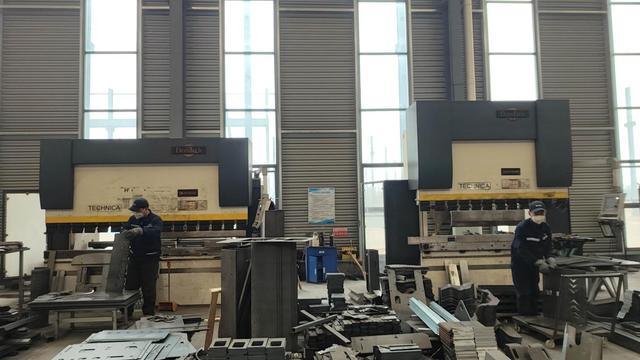
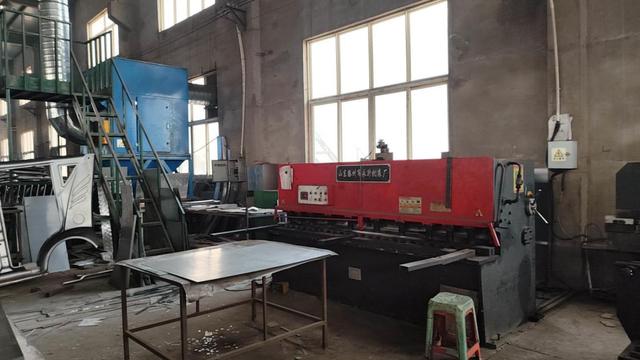
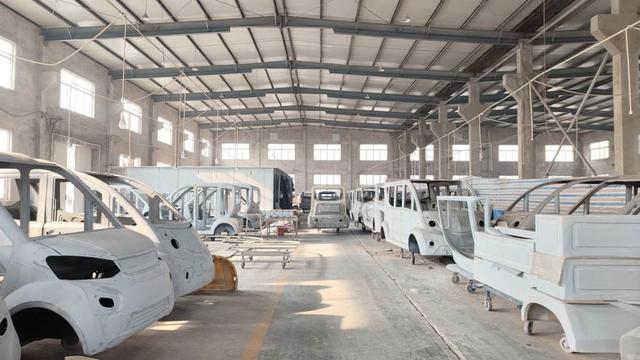
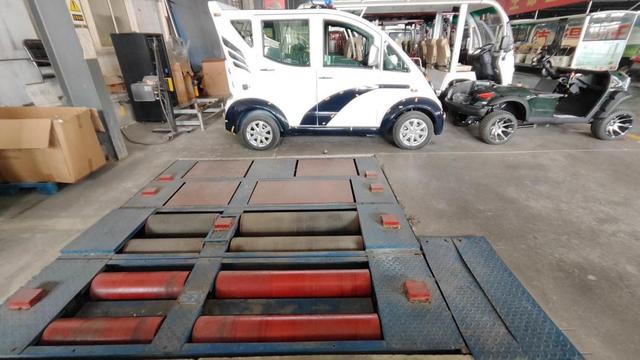
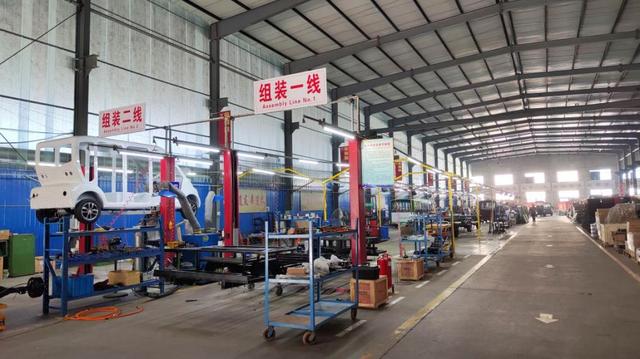
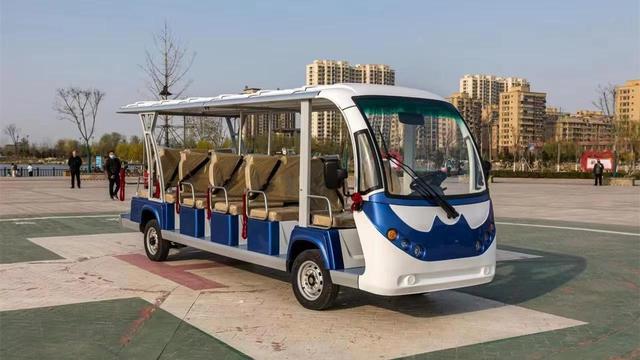
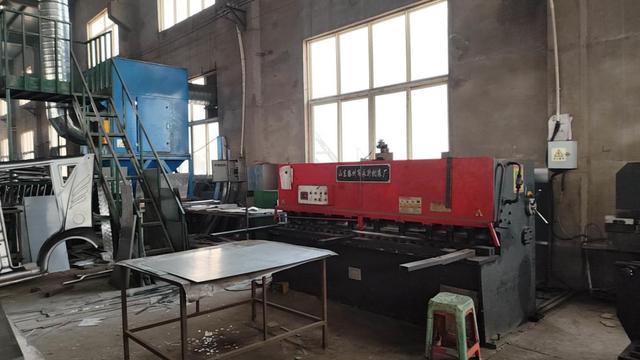
Advanced Production Lines: Today, our factory floor features robotic structural welding, computerized CNC chassis bending, and dynamic diagnostic simulators that subject each modular cart to extreme stress testing. Our production capability encompasses passenger shuttles, utility transport platforms, and tailored fleet configurations designed to meet rigorous EU mechanical standards.
Our folding modular golf cart systems are engineered to address specific sector demands within the Polish industrial and commercial landscape:
Poland's premier golfing locations, such as Sand Valley Golf Resort and Modry Las, require premium turf protection and silent operations. Our light-weight chassis structures, combined with low-pressure turf tires, distribute weight evenly, mitigating soil compaction. Our folding systems are ideal for regional resorts that operate seasonally, as they can be compactly stored during winter months in spaces that would accommodate only half the number of conventional rigid carts.
Municipalities in cities like Kraków and Gdańsk enforce strict zero-emission and vehicle-dimension regulations within historic zones. Our compact folding golf carts function as clean tourist shuttles and urban sanitation units, navigating narrow medieval pathways with minimal spatial disruption.
In large industrial hubs like the Katowice Special Economic Zone or logistics complexes near Poznań, personnel require rapid, reliable indoor/outdoor mobility. Our modular utility systems can be equipped with customized cargo boxes or flatbed modules, providing a versatile platform for maintenance crews and cargo handlers.
To assist procurement officers in evaluation, the table below highlights the performance, storage, and life-cycle advantages of our modular configurations compared to conventional non-folding models:
| Feature Parameter | Conventional Rigid Golf Carts | GLHF Folding Modular Systems |
|---|---|---|
| Shipping Footprint | High volume requirement; max 8-10 units per 40' HQ container. | Optimized folding framework; up to 24 units per 40' HQ container. |
| Winter Storage Efficiency | Requires large dedicated hangar space. | Vertical nesting design saves up to 60% floor space. |
| Battery Configuration | Mostly fixed lead-acid or heavy monobloc lithium packs. | Modular, hot-swappable LiFePO4 / Fuel-Cell options. |
| Maintenance Downtime | Requires complete vehicle transit to repair bay. | Swap-out components (motor, steering, battery) replaced onsite. |
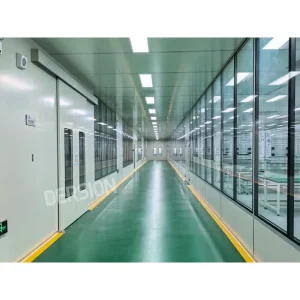
High-end manufacturing infrastructure supporting clean technology and automated operations in Poland.
Ningbo GLHF adheres strictly to quality systems that align with Poland's technical requirements and the broader European market standards. Our vehicle manufacturing and export processes incorporate the following compliance measures:
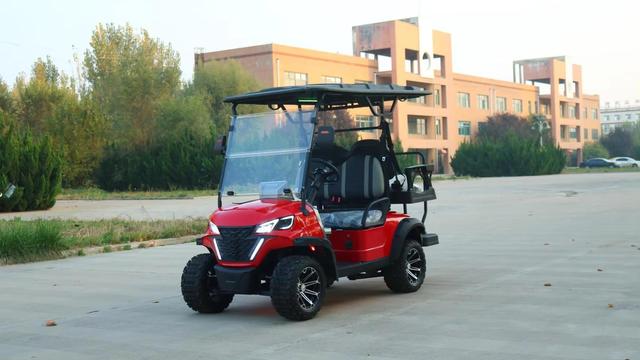
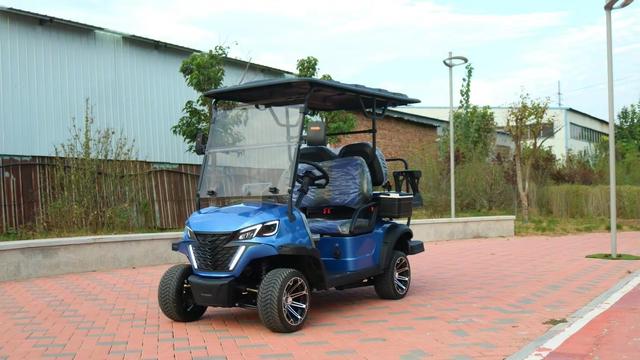
Discover our industrial fabrication lines, dynamic assembly bays, and strict quality control operations:
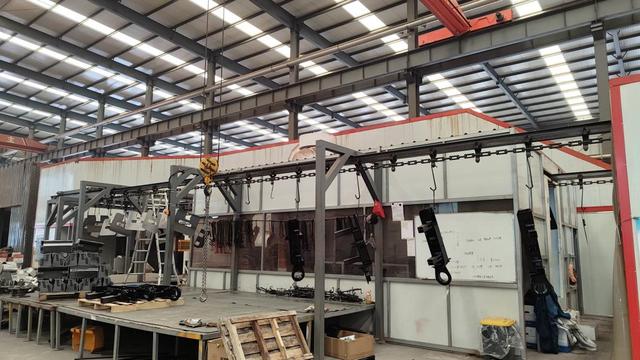
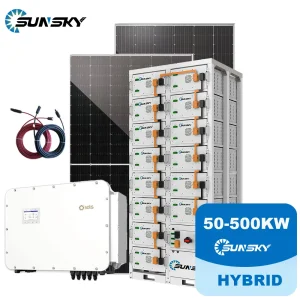
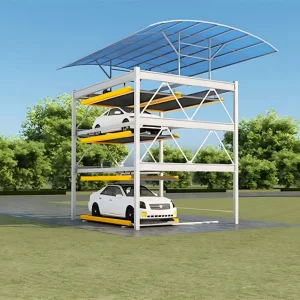
Explore our full range of modular systems, from green energy storage to automated parking and distribution platforms.
 GLHF Golf