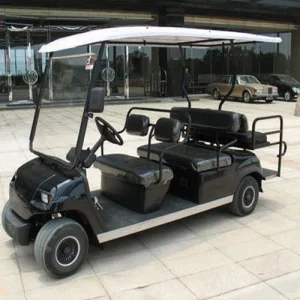
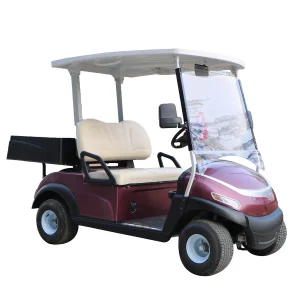
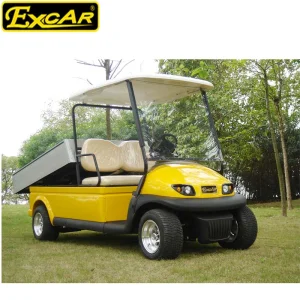
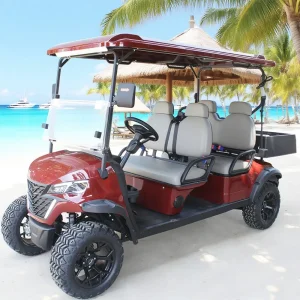
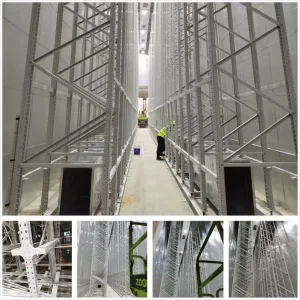
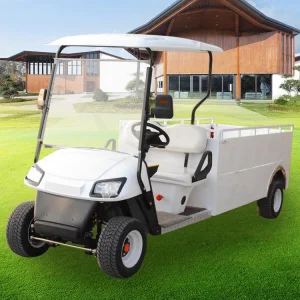
Engineered for golf courses, resort domains, smart cities, and sustainable micro-mobility networks globally.
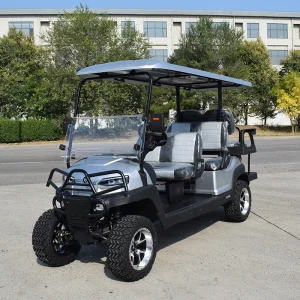
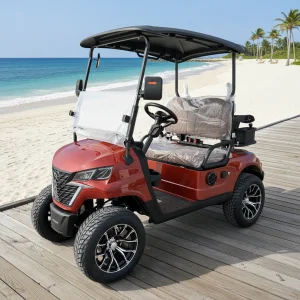
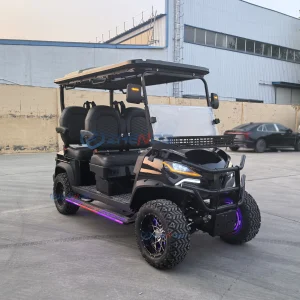

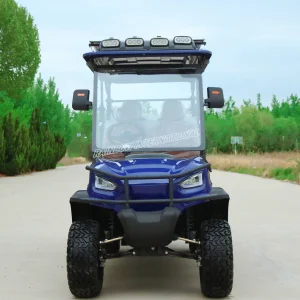
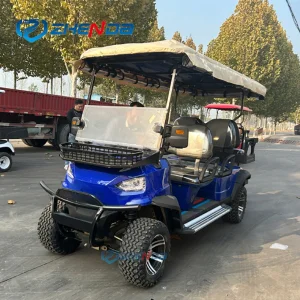
Ningbo GLHF Golf Co., Ltd. is a professional manufacturer specializing in electric golf carts and golf course mobility solutions. The company focuses on the design, development, and production of lithium and lead-acid battery-powered golf vehicles, providing reliable transportation solutions for golf courses, resorts, residential communities, hotels, and commercial facilities worldwide.
Since its establishment, GLHF Golf has built a strong foundation in electric mobility engineering and golf industry applications. In its early stage, the company concentrated on assembling basic lead-acid battery golf carts for domestic markets, gradually gaining experience in vehicle structure optimization and battery management systems. As demand for cleaner and more efficient energy solutions increased, the company entered a rapid development phase, introducing lithium battery technologies and upgrading its product line to meet international standards.
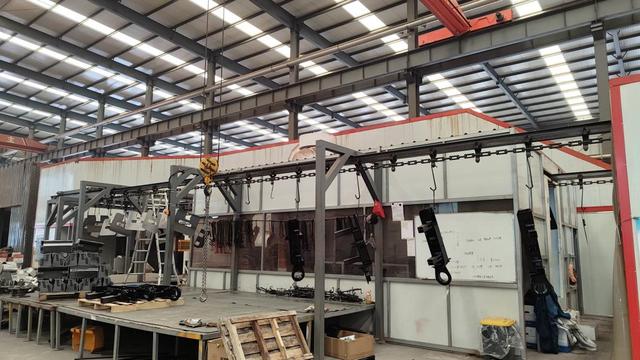
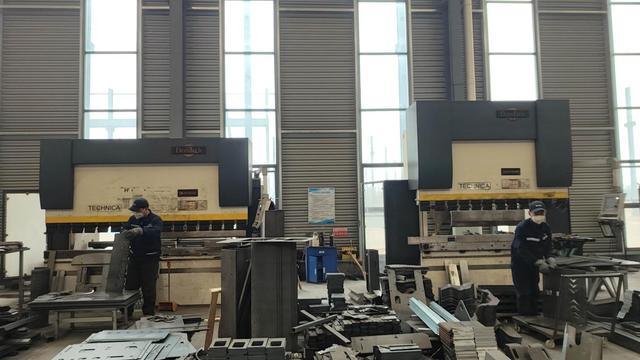
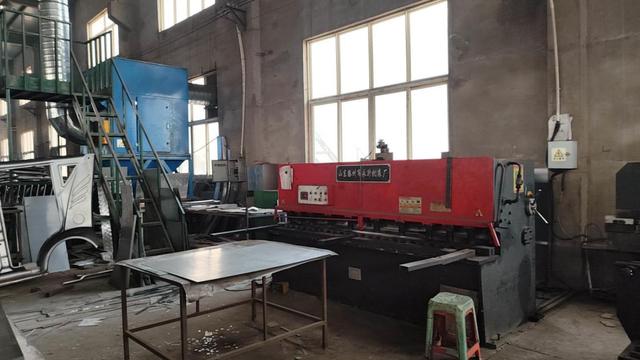
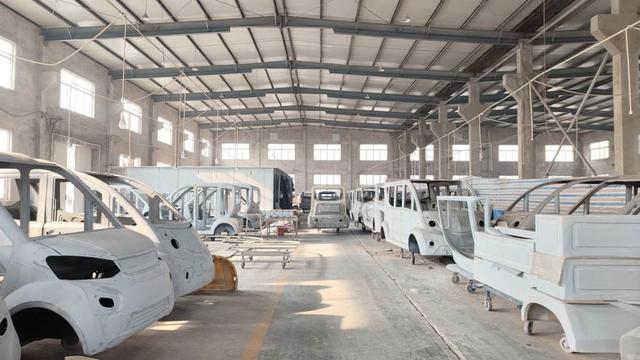
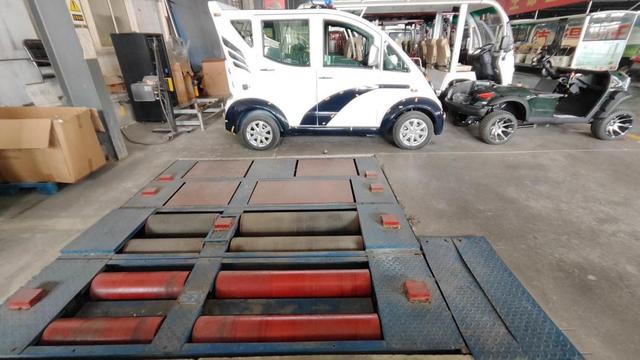
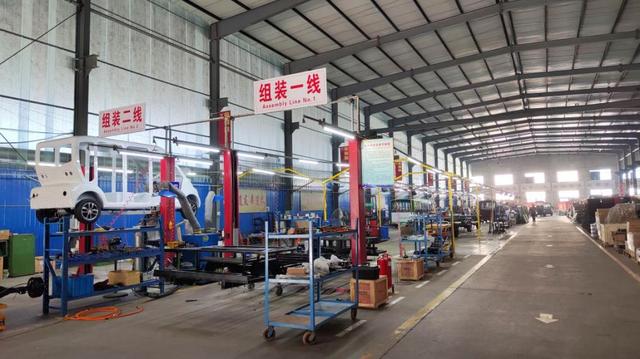
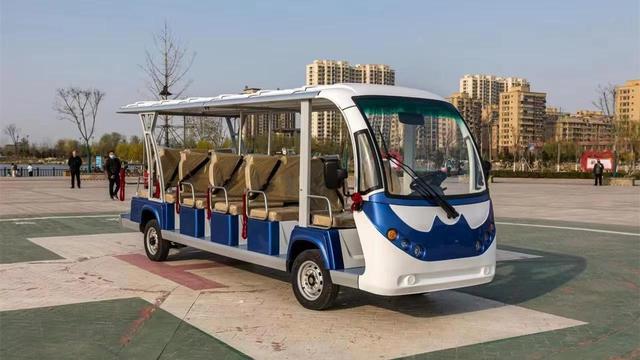
Over the years, GLHF Golf expanded its manufacturing capabilities with advanced production lines, precision assembly workshops, and strict quality control systems. The company continuously improved core technologies such as electric drivetrain efficiency, battery endurance, and vehicle safety performance. At the same time, it developed a diversified product portfolio covering passenger carts, utility carts, and customized fleet solutions for large-scale golf course operations.
Today, Ningbo GLHF Golf Co., Ltd. serves global clients with a strong commitment to innovation, durability, and energy efficiency. With ongoing investment in smart mobility systems and sustainable transportation technologies, the company aims to become a leading international supplier of electric golf cart solutions, delivering high-performance, eco-friendly vehicles for modern golf and leisure industries.
The global shift toward fleet electrification has escalated rapidly over the past five years, transitioning from an environmentally conscious option to a core corporate mandate. In golf course operations, airport logistics, resort transportation, and industrial warehousing, the adoption of Lithium-ion (LiFePO4) power systems is replacing conventional Lead-Acid and Internal Combustion Engine (ICE) alternatives. Global commercial operators prioritize low-emission, high-efficiency equipment with low Total Cost of Ownership (TCO) and minimal downtime.
In regions such as North America and Northern Europe, regulations targeting gas-powered utility vehicles have made Lithium-ion vehicles the default choice. A primary advantage of lithium-ion systems is their flat discharge curve, ensuring constant voltage and consistent torque regardless of the state of charge (SoC). Lead-acid batteries experience drop-off as they discharge, whereas lithium systems maintain consistent speed and load-handling performance throughout their runtime.
| Key Performance Metrics | Lithium-Ion (LiFePO4) Technology | Conventional Lead-Acid Batteries |
|---|---|---|
| Operational Cycle Life | 3,500 to 5,000+ Cycles (80% Depth of Discharge) | 500 to 800 Cycles (50% recommended DoD) |
| Charging Method & Speed | Rapid/Opportunity charging supported (1-2 Hours) | Slow overnight charging mandatory (8-10 Hours) |
| Maintenance Requirements | Zero maintenance required (No watering, zero corrosion) | Frequent water filling and acid corrosion prevention |
| Weight & Fleet Impact | Lightweight design, reducing turf compaction and wear | Heavy design, increasing mechanical stress and energy use |
| DOD (Depth of Discharge) | Up to 90% usable capacity without degradation | Max 50% usable capacity to protect battery lifespan |
Ningbo GLHF Golf Co., Ltd. builds vehicles using a comprehensive electrical and mechanical architecture. Our drivetrains combine high-torque AC brushless motors with intelligent electronic control systems to optimize energy use and output.
Our Battery Management System actively monitors cell temperature, voltage balance, and state of health (SoH). It integrates with the controller via CAN-Bus to prevent overcharging, thermal runaway, and deep discharges.
Select utility and golf cart lines feature roof-integrated solar arrays governed by Maximum Power Point Tracking (MPPT) regulators. This setup continuously trickle-charges the lithium battery during daylight operations, extending range by up to 25%.
Our 5kW to 7.5kW AC induction motors reduce carbon brush wear and maintain efficient energy conversion under heavy payloads or steep gradients, supported by multi-ratio transaxles.
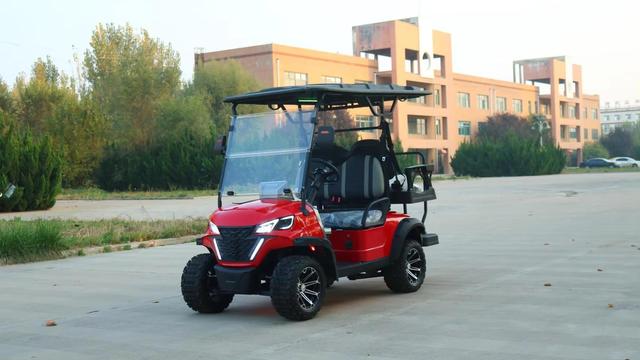
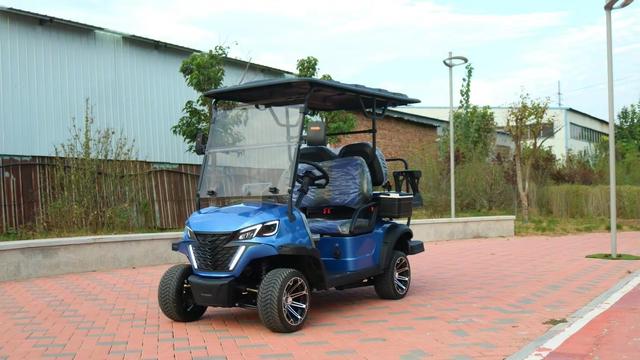
Custom mobility requirements vary across geographic locations and commercial sectors. High-performance lithium battery carts are engineered to operate reliably in these diverse environments:
The electric utility vehicle market continues to evolve through advancements in power electronics, sensor arrays, and battery cell structures. Ningbo GLHF Golf Co., Ltd. is focusing research and development efforts on several upcoming technologies:
Cloud-Based Fleet Diagnostics: We are developing remote IoT telematics modules to monitor the location, state of charge (SoC), and diagnostic fault codes of entire vehicle fleets in real time. This system will allow resort and facility managers to schedule predictive maintenance, reducing vehicle downtime.
Solid-State Cell Alternatives: As research into solid-state battery chemistry progresses, our engineering teams are designing modular battery housings capable of accepting solid-state cells. This update will help increase energy density and enhance thermal safety under extreme operating conditions.
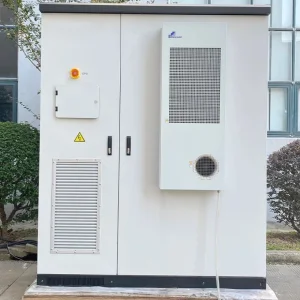
Vehicle-to-Grid (V2G) Integration: Future micro-mobility fleets will serve as distributed energy storage units. During peak load hours, parked utility carts can discharge surplus energy back into the facility’s microgrid or energy storage cabinets (such as our 100kW/200kwh battery cabinets), helping to lower overall facility operating costs.
Heavy-duty transport solutions, passenger shuttles, and specialized storage cabinets engineered for reliability.
 GLHF Golf